


 Zobrazit v interiéru
 Odeslat
 Sdílet
 Podrobnosti
 Průvodce

 Stáhnout obrázek
 Podobné kousky
 Rentgenové snímky
 Slideshow
 Statistiky
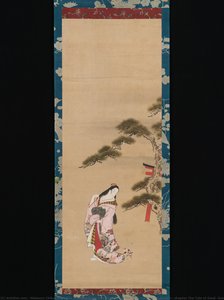
The God Izanagi and Goddess Izanami
 Japanese Traditional Painting
 701
701 38.0cm x 57.0cm
 Přečíst si více
Ručně malovaná olejová reprodukce
Ručně malované olejné plátno v libovolném rozměru i s rámem, vyrobené našimi umělci na zakázku. ( Přepnout na tiskové verze Přepnout na digitální verzi obrazu)




































Vyberte si z našich přednastavených velikostí, které odpovídají původním proporcím díla.

Můžete zadat vlastní rozměry pro konkrétní rám nebo prostor. Pokud se vámi vybraná velikost neshoduje s proporcemi původního obrazu, dílo buď ořízneme, nebo jej doplníme ručně malovanými prvky. Před zahájením výroby vám bude zaslán digitální náhled ke schválení.
Upozorňujeme, že náhled na obrazovce neodpovídá skutečnému ořezu ani rozšíření. Pouze digitální náhled přesně zobrazí finální kompozici.
Ačkoliv je možné zvolit vlastní velikost, pro zachování původních proporcí doporučujeme vybrat rozměr z předdefinovaného seznamu.
Po přijetí objednávky vám tým AllPaintingsStore.com zašle e-mail s pokyny a poskytne náhledovou verzi.
Celosvětová doprava () za 3–4 týdny namísto standardních 5 týdnů. (21 září). Bez kompromisů v kvalitě.

Zdarma celosvětová expresní doprava

Vysoce kvalitní lněné plátno

Úplné pojištění přepravy

Záruka vrácení celního poplatku

Záruka věrného barevného shodu

100dení lhůta pro vrácení zboží (pouze při vadách výroby)

100% garance vrácení peněz

Sleva při více objednávkách
 Skleněná varianta je dostupná pouze u rozměrů menších než 110 cm

The God Izanagi and Goddess Izanami
Technika provedení
Velikost reprodukce
-


Celková cena
$ 283
Související díla




Biografie umělce
Nishikawa Sukenobu: A Kyoto Master of Female Beauty
Nishikawa Sukenobu (西川祐信; 1671 – August 20, 1750), often referred to simply as “sukenobu,” stands apart from many of his contemporaries in the Ukiyo-e movement. Unlike most artists who flocked to Edo (modern Tokyo), sukenobu remained rooted in Kyoto—the imperial capital—a distinction that profoundly shaped his artistic vision and enduring legacy. He wasn’t merely a printmaker; he was a meticulous book designer, capturing the essence of Japanese culture through exquisitely rendered images. His fame rests primarily on his captivating depictions of women, particularly those portraying them in everyday life – a subject rarely explored with such sensitivity and nuance during his era.- Early Life & Training: Sukenobu’s formative years were spent studying painting under the tutelage of prominent masters from two influential schools: Kanō Einō, championing Chinese artistic traditions and techniques emphasizing grandeur and symbolism, and Tosa Mitsusuke, who favored a more humanist approach rooted in Japanese aesthetics. This dual training instilled in him a sophisticated understanding of both Eastern and Western artistic principles.
- Early Works & Style: Sukenobu’s artistic journey commenced around 1699 with book illustrations—a hallmark of his style—demonstrating an early mastery of composition and color palettes. Notably, his signed print “Seven-Volume Shin Kanninki” (“New Patience Story”) exemplifies his distinctive aesthetic: serene landscapes interwoven with graceful figures, reflecting a profound appreciation for natural beauty.
The Hyakunin Joro Series & Its Impact
Sukenobu’s magnum opus—the Hyakunin Joro shinasadame (appreciating 100 women)—published in two volumes in 1723, cemented his reputation as a pioneer in portraying female subjects. This ambitious project aimed to celebrate the diversity of femininity across social strata, ranging from empresses to courtesans. The series’ remarkable success underscored the public's fascination with depictions of women and established sukenobu as a pivotal figure in shaping Ukiyo-e conventions concerning female representation. It showcased his ability to convey emotion and psychological depth—a rare accomplishment for printmakers of his time.- Technique & Aesthetic Considerations: Sukenobu’s technique involved meticulous attention to detail, utilizing subtle gradations of color and masterful brushwork to achieve unparalleled realism. He skillfully employed perspective and shading to create immersive scenes that captured the atmosphere of daily life—a stylistic hallmark distinguishing him from many other artists.
- Influence on Subsequent Artists: Sukenobu’s influence extended far beyond his own lifetime, inspiring subsequent generations of printmakers like Suzuki Harunobu and Kitao Shigemasa. His approach to portraying women – prioritizing psychological realism and capturing the nuances of human emotion—became a cornerstone of Japanese art history.
Notable Paintings & Beyond Printmaking
Beyond his celebrated prints, Sukenobu produced an impressive array of paintings encompassing kimono patterns, samurai portraits, illustrations of classical literature, and landscapes. These works demonstrate his versatility as an artist and underscore his commitment to exploring diverse artistic mediums—a testament to his intellectual curiosity and artistic ambition.- Legacy & Recognition: Nishikawa Sukenobu’s enduring legacy resides in his contribution to Japanese art history, particularly his groundbreaking portrayal of women. His Hyakunin Joro series continues to captivate audiences today, serving as a poignant reflection on the beauty and complexity of human experience.
Concluding Thoughts
Nishikawa Sukenobu’s unwavering dedication to capturing the essence of Japanese culture through his art—particularly his masterful depictions of women—solidifies his position as one of Ukiyo-e's most influential and aesthetically profound figures. His work transcends mere visual representation; it embodies a deep understanding of human psychology and an exquisite appreciation for the subtleties of natural beauty, ensuring his place in the annals of Japanese artistic achievement.
nishikawa sukenobu
1671 - 1750
Rychlé informace
- Artistic Movement Or Style: Ukiyo-e
- Artists Or Movements Influenced By This Artist:
- Suzuki Harunobu
- Kitao Shigemasa
- Artists Who Influenced This Artist:
- Kanō Einō
- Tosa Mitsusuke
- Date Of Death: August 20, 1750
- Full Name: Nishikawa Sukenobu
- Nationality: Japanese
- Notable Artworks:
- Woman and Attendant
- The God Izanagi and Goddess Izanami
- Place Of Birth: Kyoto
Související články
Ephemeral Expressions: Exploring the Nuances of Ink on Paper Through History & Contemporary Art
Explore the captivating world of ink wash painting – from its ancient origins to contemporary masters. Discover techniques, symbolism & conservation insights with AllPaintingsStore.com.
The Alchemy of Ink: Mastering the Timeless Beauty and Art History of Paper and Brush
Embark on a sophisticated exploration of ink wash painting and Sumi-e. Uncover the profound historical lineages, Zen philosophies, and technical mastery behind this timeless medium in our authoritative guide for fine art enthusiasts.

Deset mistrovských děl neoklasicismu: Umění, které definovalo éru | AllPaintingsStore.cz
Prozkoumejte 10 ikonických děl neoklasicismu od mistrů jako David, Ingres a Canova. Objevte příběhy za uměleckými technikami a nadčasovou krásou. Reprodukce obrazů nejvyšší kvality na AllPaintingsStore.cz – inspirace pro váš interiér!

Mastering Ink on Paper: The Timeless Art of Precision, Flow, and Calligraphic Heritage
Explore the profound mastery of ink on paper. From Japanese haiku traditions to Ming Dynasty calligraphy, discover the delicate balance of precision and flow that defines this timeless art form through an expert historical lens.

Katsushika Hokusai: 25 mistrovských děl japonského umění pro váš interiér | AllPaintingsStore.com
Prozkoumejte 25 ikonických děl japonského mistra Katsushiky Hokusaiho! Objevte příběhy za Velkou vlnou, 36 pohledů na horu Fuji a další ukiyo-e tisků. Kvalitní reprodukce obrazů pro váš interiér na AllPaintingsStore.com.

