


 Zobrazit v interiéru
 Odeslat
 Sdílet
 Podrobnosti
 Průvodce

 Stáhnout obrázek
 Podobné kousky
 Rentgenové snímky
 Slideshow
 Statistiky
Interior
 Impressionism
 1938
1938 59.0 x 45.0 cm
 Národní galerie Bosny a Hercegoviny
 Přečíst si více
Umělecké dílo zobrazené na této stránce je chráněno autorským zákonem, což znamená, že nemůžeme legálně vytvářet ani prodávat jeho identickou reprodukci. Tato ochrana je vymáhána na základě mezinárodních dohod, jako například Berberská úmluva a národními zákony, včetně těch stanovených v Americký autorský zákon – Díl 17. Všechna práva vyhrazena.
Tato metoda je plně v souladu s autorským právem, protože nezahrnuje kopírování ani duplikování chráněného díla. Jde o kreativní reinterpretaci – nový obraz, který je inspirován originálem, ale není s ním identický.
Giclée / Umělecký tisk
Giclée nebo plátěný tisk muzeální kvality s rychlou výrobou a širokou nabídkou povrchových úprav. ( Objednat ručně malovanou reprodukci Přepnout na digitální verzi obrazu)




































Vyberte si z našich přednastavených velikostí, které odpovídají původním proporcím díla.

Zadejte šířku a výšku, které potřebujete pro váš rám nebo stěnu. Tisk lze pouze oříznout, nikdy však nelze zvětšit obraz nad jeho původní rozměr, proto při výběru jiného formátu dochází ke ztrátě části obrazu. Před samotným tiskem vám zašleme digitální náhled k schválení. Obraz zobrazený na této stránce nenabízí skutečný výřez — ten uvidíte pouze v náhledu.
Celosvětové doručení () do 2 týdnů namísto standardních 4/5 týdnů. (23 říjen)

Zdarma celosvětová expresní doprava

Vysoce kvalitní lněné plátno

Úplné pojištění přepravy

Záruka vrácení celního poplatku

Záruka věrného barevného shodu

100dení lhůta pro vrácení zboží (pouze při vadách výroby)

100% garance vrácení peněz

Sleva při více objednávkách
 Skleněná varianta je dostupná pouze u rozměrů menších než 110 cm

Interior
Giclée / Umělecký tisk
Velikost reprodukce
-


Celková cena
Kč 1373
Související díla


Biografie umělce
A Life Captured in Light and Shadow
Omer Mujadžić stands as a profound figure within the landscape of Bosnian-Croatian Expressionism, a painter whose brush captured the very soul of everyday existence. Born in Gradiska, Bosnia and Herzegovina, his artistic journey began with an early and precocious passion, enrolling in painting studies at the age of fifteen under the guidance of Ljubo Babic's class. This formative period laid the foundation for a career that would eventually bridge the cultural sensibilities of his Balkan roots with the avant-garde currents of Western Europe.
His pursuit of artistic excellence led him to Paris, where he spent a transformative year immersed in the heart of the art world. It was within the hallowed halls of the Louvre that he communed with the old masters, absorbing their timeless techniques and profound depth. Yet, Mujadžić was equally captivated by the modern pulse of his era, drawing significant inspiration from the figurative innovations of Pablo Picasso and the post-cubist manners of André Lhote. This unique synthesis of classical reverence and modern experimentation allowed him to develop a style that felt both grounded in tradition and vibrantly contemporary.
The Essence of Expression and Technique
The work of Mujadžić is a delicate dance between reality and emotion, often characterized by a magic-realistic and neoclassical expression. His technique is marked by the masterful use of light glazes, which imbue his canvases with a distinctive softness and warmth. Through a muted palette and loose, evocative brushwork, he possessed a rare ability to capture not just the visual form, but the underlying mood and atmosphere of his subjects. Whether depicting a dimly lit workshop or a quiet domestic scene, his hand brought a sense of poetic stillness to the canvas.
His thematic repertoire was as diverse as it was intimate, focusing heavily on the rhythms of daily life in Bosnia and Herzegovina. He found profound beauty in the mundane, turning his gaze toward:
- Social and street themes that documented the pulse of urban existence.
- Intimate portraits and figural compositions that explored human connection.
- Still lifes and interiors that breathed life into quiet, domestic spaces.
- Rural landscapes and scenes featuring women and children that celebrated familial bonds.
Legacy and Artistic Contribution
Beyond the canvas, Mujadžić was a vital participant in the cultural fabric of his time. His involvement with the Zemlja group placed him at the center of important artistic dialogues, and his professional life was marked by a dedication to both art and history, having worked as a drawer at the Archaeological Museum. Later in life, he shared his profound knowledge with the next generation, teaching at the Academy of Fine Arts until his retirement.
Today, the historical significance of Omer Mujadžić is preserved through his enduring impact on Bosnian-Croatian art. His ability to weave together the influences of post-cubism and expressionism into a cohesive, emotive language ensures that his depictions of families, landscapes, and everyday life remain as resonant today as they were during his lifetime. His works continue to reside in esteemed institutions, such as the National Gallery of Bosnia and Herzegovina in Sarajevo, serving as a testament to a life dedicated to capturing the ephemeral beauty of the human experience.

Omer Mujadžić
1903 - 1991 , Bosnia and Herzegovina
Rychlé informace
- Artistic Movement Or Style: Expressionism
- Artists Who Influenced This Artist:
- Pablo Picasso
- André Lhote
- Full Name: Omer Mujadžić
- Nationality: Bosnian, Croatian
- Notable Artworks: ['Interior']
- Place Of Birth: Gradiska, Bosnia and Herzegovina
- Date Of Birth: 1903
- Date Of Death: 1991
Související články

The Soul of Impressionism: Why Oil on Canvas Captures Eternal Light and Timeless Emotion
Discover the enchanting alchemy of Impressionism. Explore how the mastery of oil on canvas, through glazing and impasto, captures eternal light and emotion. Perfect for lovers of Monet and Van Gogh seeking the profound depth of hand-painted fine art.

Nadčasová krása interiéru: Renaissance inspirace a impresionistická světla pro vytvoření harmonického domova
Objevte nadčasovou krásu renesančních a impresionistických interiérů s AllPaintingsStore. Kvalitní reprodukce, odborné konzultace a inspirace pro luxusní bydlení. Vytvořte harmonický domov plný elegance a světla!

The Enduring Legacy of Oil on Canvas: Technique, History & Aesthetic Impact
Explore the rich history & techniques of oil painting – from Renaissance masters to Impressionism. Discover pigments, layering methods, and why this timeless medium endures. Expert insights for artists & art enthusiasts.
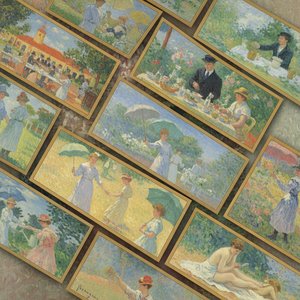
Pierre-Auguste Renoir: Top 25 děl impresionismu pro váš domov | AllPaintingsStore.cz
Objevte top 25 děl Pierre-Auguste Renoira – impresionistické ikony plné světla a radosti. Prozkoumejte příběhy slavných obrazů, techniky malby a inspirujte se pro váš domov s AllPaintingsStore.cz! Reprodukce obrazů nejvyšší kvality.

Capturing Light & Emotion: A Guide to Impressionistic Portraiture for Your Home
Discover how Impressionistic portraiture can elevate your home. Learn to use light, color, and texture to create an emotive interior with expert guidance on selecting and customizing museum-quality oil reproductions that transform modern spaces into timeless sanctuaries.

