Záruka vrácení peněz · 100 dní Doprava po celém světě zdarma
449 587umělecká díla 30 613umělci 4 660muzea 32jazyky
Měna
    Jazyk
      Ateliér · Založeno 2015 · Paříž, Francie
      AllPaintingsStore
      allpaintingsstore.com
      Catalogue entry

      Veronica

      1909. Acrylic On Canvas, 120.0 x 80.0 cm. Szépművészeti Múzeum.

      Fig. 1. Oskar Kokoschka, Veronica, 1909. Shown as the reproduction you are specifying: , .

      § 1Catalogue data

      § 2Abstract

      Popis sbírného předmětu

      Oskar Kokoschka's 'Veronica' depicts a haunting figure holding a severed head, embodying psychological intensity and emotional turmoil within a dramatic composition.

      Biografie umělce

      Oskar Kokoschka (1886-1980) – český malíř a spisovatel, mistr expresionismu s podivnými portréty a silným vyjádřením emocí. Jeho dílo odráží turbulentní život a inovativní styl. #Kokoschka #Výtvarnéumění

      § 3Commentary

      Oskar Kokoschka’s ‘Veronica’: A Portrait of Psychological Intensity

      Oskar Kokoschka's “Veronica,” painted in 1909, isn’t merely a depiction of a woman; it’s an excavation of the soul. Born into a modest family in Croatia and trained initially at the Kunstgewerbeschule in Vienna, Kokoschka swiftly rejected conventional artistic paths, forging instead a deeply personal style characterized by intense emotionality and psychological probing. Unlike the prevailing naturalism of his time, he sought to capture not just outward appearance but the turbulent inner landscape of his subjects – a pursuit that defined him as one of the key figures of German Expressionism. “Veronica” exemplifies this approach, presenting a woman holding a severed head within a dimly lit interior, an image simultaneously unsettling and profoundly moving.

      The painting’s style is immediately arresting—a departure from academic realism. Kokoschka employed loose, gestural brushstrokes, layering color with a deliberate lack of precision. This technique isn't about meticulous detail but rather the conveyance of raw feeling. The palette leans heavily into cool blues and greens, creating an atmosphere of melancholy and introspection. Notice how the light source—a diffused moon – casts long shadows, emphasizing the woman’s isolation and contributing to the painting’s overall sense of unease. Kokoschka's use of impasto, applying paint thickly to the canvas, adds a tactile quality, as if you could reach out and feel the weight of her burden.

      The Symbolism of the Veil and the Severed Head

      The central image—the woman holding the head—is laden with symbolic weight. The red veil she wears is not simply decorative; it’s a potent emblem of mourning, sacrifice, and perhaps even guilt. It obscures her face, suggesting a hidden sorrow or a concealed truth. The severed head itself is a complex motif, drawing on biblical allusions to Veronica's act of wiping Christ's wounds—a story that imbues the image with religious significance. However, Kokoschka subverts this traditional narrative by presenting not a triumphant savior but a woman bearing a gruesome reminder of suffering. This deliberate ambiguity forces the viewer to confront uncomfortable questions about mortality, loss, and the nature of faith.

      The presence of the clock faces—one on the wall behind her, another further back—adds another layer of interpretation. Clocks are often associated with time, urgency, and the relentless passage of life. Their repetition suggests a sense of entrapment or perhaps an awareness of impending doom. The juxtaposition of these domestic objects with the macabre image of the severed head creates a jarring dissonance, highlighting the fragility of human existence.

      Contextualizing ‘Veronica’ within Kokoschka's Life and Artistic Vision

      “Veronica” was painted during a period of intense personal turmoil for Kokoschka. He had a tumultuous relationship with Alma Mahler, the widow of Gustav Mahler, which fueled much of his emotional intensity. The painting can be interpreted as an exploration of this fraught relationship—a reflection of the pain, betrayal, and unresolved emotions that plagued him. Kokoschka’s own theories on vision, articulated in “On the Nature of Visions,” profoundly influenced his artistic approach. He believed that art should capture not just what is seen but also what is felt – the subjective experience of reality. This conviction led him to prioritize emotional expression over objective representation.

      Furthermore, Kokoschka’s interest in psychology—particularly the work of Sigmund Freud—is evident in “Veronica.” He sought to portray the inner workings of the human mind, exposing the hidden anxieties and desires that lie beneath the surface. The painting's unsettling atmosphere and ambiguous symbolism invite viewers to engage with their own subconscious fears and vulnerabilities. It’s a testament to Kokoschka’s ability to transform personal experience into a universal meditation on the complexities of the human condition.

      A Reproduction for Collectors and Interior Design

      AllPaintingsStore offers meticulously hand-painted reproductions of “Veronica” that capture the essence of Kokoschka's original masterpiece. Our skilled artists replicate the painting’s distinctive brushwork, color palette, and atmospheric depth with remarkable accuracy. The reproduction is available in a range of sizes to suit your individual needs and preferences. Whether you are an art collector seeking to expand your collection or an interior designer looking for a striking statement piece, our “Veronica” reproduction provides an authentic representation of this iconic work while preserving its emotional power.

      Consider the impact of this artwork in your space – its ability to evoke contemplation and provoke introspection. “Veronica” is more than just a painting; it’s a window into the soul—a timeless exploration of human suffering, loss, and the enduring mysteries of the inner self.

      Otázky a odpovědi

      Je k dispozici vysokorozlišená verze ke stažení díla "Veronica"?

      Digitální obraz díla „Veronica“ od Oskar Kokoschka si můžete zakoupit na jeho stránce pro digitální objednávky Digitální snímek: stažení digitálního obrazu ve vysokém rozlišení.

      Mohu si objednat olejnou reprodukci díla "Veronica"?

      Ručně malované kopie díla „Veronica“ od Oskar Kokoschka jsou k zakoupení na webu tato webová stránka: ručně malovaná olejová reprodukce na lněném plátně, a to prostřednictvím jeho stránky Ručně malovaná reprodukce.

      Mohu využít rozšířenou realitu k tomu, abych si prohlédl(a) „Veronica“ od Oskar Kokoschka ve své místnosti?

      Dílo „Veronica“ nabízí náhled v rozšířené realitě: na stránce Náhled v rozšířené realitě si jej můžete prohlédnout ve vlastním prostoru pomocí kompatibilního zařízení.
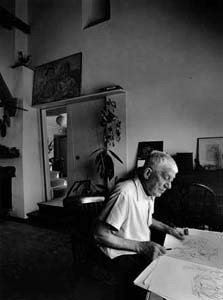
      § 4The artist

      Oskar Kokoschka

      Oskar Kokoschka

      1886 - 1980, Rakousko

      Quick facts about Oskar Kokoschka

      • Artistic Movement Or Style: Expressionismus
      • Artists Or Movements Influenced By This Artist: ['Neo-Expressionisti']
      • Date Of Birth: 1. března 1886
      • Date Of Death: 22. února 1980
      • Full Name: Oskar Kokoschka
      • Nationality: Rakouský, Britský
      • Notable Artworks:
        • The Bride of the Wind
        • Self-portrait
      • Place Of Birth: Pöchlarn, Rakousko

      Biografie umělce

      A Life Etched in Expression: The World of Oskar Kokoschka

      Oskar Kokoschka, born on March 1, 1886, in Pöchlarn, Austria, was a figurehead of early Expressionism, an artist whose work pulsed with the anxieties and passions of a rapidly changing world. His life, marked by both intense personal drama and historical upheaval, became inextricably woven into the fabric of his art. From humble beginnings as the son of a goldsmith and a mother who fostered his artistic inclinations, Kokoschka’s path diverged from conventional expectations. He rejected a scientific career to pursue his calling at the Kunstgewerbeschule in Vienna, a decision that set him on a course toward becoming one of the most psychologically penetrating portraitists of his time. Even as a young student, he displayed an unusual sensitivity and a willingness to challenge artistic norms, traits that would define his entire oeuvre. His early education was steeped in the atmosphere of fin-de-siècle Vienna, a city brimming with intellectual ferment and artistic innovation, yet also shadowed by a growing sense of unease. This duality – beauty and anxiety, tradition and modernity – became a central theme in Kokoschka’s work.

      The Viennese Years: Portraits and Passion

      Kokoschka quickly established himself as a daring portraitist within the vibrant artistic community of Vienna. He didn't aim for mere likeness; instead, he sought to capture the inner turmoil and psychological complexity of his sitters. His portraits were often unsettling, even confrontational, revealing vulnerabilities and hidden depths. This approach resonated with an audience increasingly fascinated by the burgeoning field of psychoanalysis pioneered by Sigmund Freud. The influence of Freud is palpable in Kokoschka’s work, as he delved into the subconscious and explored themes of desire, alienation, and identity. A pivotal moment in his life – and art – was his passionate affair with Alma Mahler, the widow of composer Gustav Mahler. This tumultuous relationship inspired some of his most iconic works, including *The Bride of the Wind (The Tempest)*, a monumental canvas that is both a tribute to Alma and a haunting depiction of their fraught connection. The painting’s swirling forms and intense colors convey a sense of emotional turbulence and impending doom, reflecting the instability of their love affair. It stands as a testament to Kokoschka's ability to translate personal experience into universal themes. He also developed close relationships with other prominent figures of Viennese artistic circles, including Adolf Loos, Peter Altenberg, and Arnold Schönberg.

      War, Exile, and Artistic Evolution

      The outbreak of World War I dramatically altered Kokoschka’s life. He volunteered for service in the Austrian army, experiencing firsthand the horrors of trench warfare. Severely wounded in 1915, his experiences on the front lines left an indelible mark on his psyche and informed his later work. The war years saw a shift in his style, with landscapes becoming increasingly prominent alongside portraits. These landscapes were not idyllic depictions of nature but rather expressions of alienation and despair, reflecting the trauma he had endured. He sought to capture the emotional weight of the conflict, translating the anxieties of a nation into powerful visual metaphors. As political tensions escalated in Europe during the 1930s, Kokoschka found himself targeted by the Nazi regime due to his outspoken opposition to fascism and his association with avant-garde movements deemed “degenerate.” Forced into exile, he fled Austria in 1934, eventually settling in England in 1938. This period of displacement and uncertainty further deepened his sense of isolation but also fueled his artistic creativity. He became a British citizen in 1946, continuing to paint and exhibit internationally while remaining deeply committed to social justice and human rights.

      Kokoschka’s Enduring Influence

      The impact of Kokoschka extends beyond his own artistic output, influencing subsequent generations of artists. Suzanne Sternberg, for example, directly studied under him, absorbing his expressive techniques and philosophical approach to art. His emphasis on emotional honesty and psychological insight resonated with Abstract Expressionists in the mid-20th century and later Neo-Expressionists. Kokoschka’s willingness to confront uncomfortable truths and challenge artistic conventions continues to inspire artists today. He demonstrated that art could be a powerful tool for social commentary, personal expression, and ultimately, a deeper understanding of ourselves and the world around us. His work remains a powerful testament to the enduring power of art to confront difficult truths and illuminate the depths of the human soul.

      Kokoschka’s Key Works

      * *The Bride of the Wind (The Tempest)* – 1920 * *Self-Portrait as Warrior* – 1918 * *Thésée et Antiope* – 1922 * Numerous portraits, including those of Alma Mahler and other prominent figures.

      § 5Comparanda

      § 6Questions

      Rychlé informace

      • Movement: Expressionism
      • Year: 1909
      • Subject or theme: Female figure, grief
      • Influences:
        • Klimt
        • Secession
      • Medium: Oil on canvas
      • Notable elements: Moon, red veil, clock

      Artový kvíz

      U každé otázky je pouze jedna správná odpověď.

      Otázka 1:
      What is the primary subject depicted in Oskar Kokoschka’s ‘Veronica’?
      Otázka 2:
      The painting ‘Veronica’ is considered part of which artistic movement?
      Otázka 3:
      What symbolic element is prominently featured in the background of ‘Veronica’?
      Otázka 4:
      According to the description, what is Kokoschka’s artistic approach in ‘Veronica’ compared to earlier traditions?
      Otázka 5:
      The presence of multiple clocks in the painting ‘Veronica’ likely suggests which thematic element?

      § 7Cite this entry

      AllPaintingsStore.com, “Oskar Kokoschka, Veronica (1909)”, https://allpaintingsstore.com/cs/art/oskar-kokoschka-veronica-D3Z8WP-en/ArtistReproduction/ (accessed 1 říjen 2026).

      § 8The reproduction

      Ručně malovaná olejová reprodukce

      Rukou malované olejné plátno v libovolném rozměru i s rámem, vyrobené našimi umělci na zakázku. ( Přepnout na tisk Přepnout na digitální obraz)

      It is specified on the order sheet in the margin; the present state of that sheet reads as follows.

      Veronica

      Technika reprodukce

      Rozměry reprodukce

      -

      Vybraní mistři umění

      Vyšší míra detailu, jemnosti a delší doba výroby

      -

      Možnosti rámování reprodukcí

      -

      -

      U děl nebo reprodukcí, u nichž je jakákoliv strana větší než 105 cm (přibližně 41 palců), bude rám dodán jako sestava v rozloženém stavu. Tato metoda zajišťuje bezpečné doručení a chrání dílo před poškozením během přepravy.

      Vyžaduje se odborná montáž – nejedná se o produkt pro svépomocnou realizaci (DIY).
      Sestava musí být složena a plátno napnuto zkušeným profesionálním rámovačem s použitím dřevěného lepidla (není součástí balení), kleští na napínání plátna a svorek pro udržení pravých úhlů křížů během schnutí lepidla. Nesprávná montáž nebo nerovnoměrné napnutí plátna může způsobit trvalé poškození uměleckého díla, které není kryto naší zárukou.

      • Jsou zahrnuty všechny lišty z masivního dřeva, přesně na míru nařezané.

      • Sestavuje se pomocí součástí balení (šroubů), plus dřevěného lepidla na rohové spoje, které není součástí balení a musí jej zajistit váš rámovač.

      • Vyžaduje se profesionální nářadí, které není součástí sady: kleště na napínání plátna a svorky pro udržení kolmosti příček během schnutí lepidla.

      Důležité:
      Spoje v rozích vyžadují lepidlo na dřevo, tyčinky musí být přichyceny pomocí svorek, dokud lepidlo zcela neuschne, a pro napnutí plátna na sestavený rám je zapotřebí kleští na natahování plátna. Žádný z těchto náčiní není součástí sady. Před objednáním této velikosti prosím zajistěte zkušeného profesionálního rámovače.

      Popisek díla

      -

      -

      Ochranný lak

      Lesklý lak (zvýrazňuje barvy, chrání před světlem a vlhkostí)

      -

      Přizpůsobit své umělecké dílo

      Příklady možných úprav: nahrazení obličeje fotografií zákazníka; přidání domácího mazlíčka (např. výměna kočky za psa); vložení skrytého vzkazu do pozadí; změna krajiny nebo prvků v pozadí.

      -

      Prioritní doručení

      Celosvětové doručení () za 3–4 týdny namísto standardních 5 týdnů. (29 říjen). Bez kompromisů v kvalitě.

      -

      Expresní doručení

      Celosvětová doprava () do 5 týdnů. (5 listopad).

      V ceně

      Celková cena za vybrané možnosti reprodukcí

      Kč 5559

      Included with every order

      • Zdarma celosvětová expresní doprava
      • Vysoce kvalitní lněné plátno
      • Kompletní pojištění přepravy
      • Záruka vrácení celního poplatku
      • Záruka věrného barevného souladu
      • 100dení lhůta pro vrácení zboží (pouze při vadách výroby)
      • 100% záruka vrácení peněz
      • Sleva při více objednávkách
      Order sheet