


 Zobrazit v interiéru
 Odeslat
 Sdílet
 Podrobnosti
 Průvodce

 Stáhnout obrázek
 Podobné kousky
 Rentgenové snímky
 Slideshow
 Statistiky
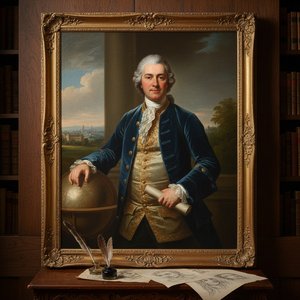
Augustus John Hervey (1724–1779), 3rd Earl of Bristol (after Thomas Gainsborough)
 Neoclassicism
 1789
1789 75.0 x 62.0 cm
 Přečíst si více
Ručně malovaná olejová reprodukce
Ručně malované olejné plátno v libovolném rozměru i s rámem, vyrobené našimi umělci na zakázku. ( Přepnout na tiskové verze Přepnout na digitální verzi obrazu)




































Vyberte si z našich přednastavených velikostí, které odpovídají původním proporcím díla.

Můžete zadat vlastní rozměry pro konkrétní rám nebo prostor. Pokud se vámi vybraná velikost neshoduje s proporcemi původního obrazu, dílo buď ořízneme, nebo jej doplníme ručně malovanými prvky. Před zahájením výroby vám bude zaslán digitální náhled ke schválení.
Upozorňujeme, že náhled na obrazovce neodpovídá skutečnému ořezu ani rozšíření. Pouze digitální náhled přesně zobrazí finální kompozici.
Ačkoliv je možné zvolit vlastní velikost, pro zachování původních proporcí doporučujeme vybrat rozměr z předdefinovaného seznamu.
Po přijetí objednávky vám tým AllPaintingsStore.com zašle e-mail s pokyny a poskytne náhledovou verzi.
Celosvětová doprava () za 3–4 týdny namísto standardních 5 týdnů. (21 září). Bez kompromisů v kvalitě.

Zdarma celosvětová expresní doprava

Vysoce kvalitní lněné plátno

Úplné pojištění přepravy

Záruka vrácení celního poplatku

Záruka věrného barevného shodu

100dení lhůta pro vrácení zboží (pouze při vadách výroby)

100% garance vrácení peněz

Sleva při více objednávkách
 Skleněná varianta je dostupná pouze u rozměrů menších než 110 cm

Augustus John Hervey (1724–1779), 3rd Earl of Bristol (after Thomas Gainsborough)
Technika provedení
Velikost reprodukce
-


Celková cena
$ 258
Související díla


Biografie umělce
Ozias Humphry: A Master of Miniature and Pastel in the Age of Elegance
Ozias Humphry, a name perhaps less familiar than those of Gainsborough or Reynolds, nevertheless stands as a pivotal figure in 18th-century English portraiture. Born in Honiton, Devon, in 1742, his life was one of artistic evolution, marked by both remarkable talent and persistent challenges – most notably, encroaching blindness that ultimately shaped the very nature of his work. Humphry’s journey from humble beginnings to Royal Academy membership offers a fascinating glimpse into the patronage system and evolving aesthetic sensibilities of Georgian Britain. His legacy resides not in grand canvases but in exquisitely detailed miniature portraits and pastel studies, capturing the elegance and social intricacies of his era with an unparalleled sensitivity.
Humphry’s early artistic education was largely self-directed, fueled by a deep appreciation for casts displayed at the Duke of Richmond’s gallery in London. He apprenticed under Samuel Collins in Bath, mastering the techniques of miniature painting – a demanding craft requiring exceptional precision and patience. However, his ambition extended beyond mere replication; he sought to infuse these small works with the dynamism and expressive power associated with larger-scale paintings. This desire led him to study with Thomas Gainsborough and Sir Joshua Reynolds, influential figures who recognized his considerable potential. A pivotal moment arrived in 1773 when Humphry embarked on a transformative journey to Italy with George Romney, an experience that profoundly impacted his artistic development. The Italian landscape and the works of Old Masters ignited a passion for capturing light and atmosphere – a departure from the static formality often found in English miniatures.
Upon returning to England, Humphry’s eyesight began to deteriorate, forcing him to adapt his technique. The gradual loss of vision necessitated larger compositions and a shift towards pastel drawing, a medium that allowed him to work with broader strokes and capture fleeting expressions with greater immediacy. This transition proved remarkably successful, establishing him as a leading portrait painter in crayons – the term used by the Royal Academy to describe this specialized form of pastel painting. In 1792, he was elected Portrait Painter to His Majesty, a prestigious honor that cemented his position within the artistic establishment. His subjects ranged from members of the royal family and nobility to prominent figures in science, literature, and commerce – reflecting the diverse social fabric of Georgian England.
The Evolution of Technique and Style
Humphry’s style is characterized by a remarkable blend of technical skill and psychological insight. His miniature portraits are not merely likenesses; they are carefully constructed narratives, revealing the personalities and social standing of their subjects. He employed a meticulous approach to rendering fabrics, textures, and facial features, utilizing subtle gradations of tone and delicate details to create an illusion of depth and realism. The use of pastel allowed him to achieve a luminous quality, particularly in capturing the play of light on skin and clothing – a hallmark of his distinctive style.
The shift to oil painting and later to pastel was not merely a response to his failing eyesight; it represented a fundamental change in his artistic philosophy. Larger canvases provided him with greater freedom to experiment with composition, color, and brushwork. He embraced the looser, more expressive qualities of these mediums, allowing for a richer sense of atmosphere and emotional resonance. His portraits of Jane Austen, though debated by scholars, exemplify this shift – capturing the youthful vitality and intelligence of the novelist with a vibrant palette and dynamic pose.
Notable Works and Patronage
Among Humphry’s most celebrated works are his portraits of Augustus John Hervey, 3rd Earl of Bristol (1789), and John Belchier (1785). These paintings showcase his mastery of technique and his ability to capture the dignity and sophistication of his subjects. The “Rice” portrait of Jane Austen, though its attribution remains contentious, is a captivating study of youthful beauty and intellectual curiosity. His work for the royal family – including portraits of Charlotte, Princess Royal (1769) and George Stubbs (1777) – demonstrates his access to the highest levels of British society.
Humphry’s success was largely due to the patronage of influential figures such as the Duke of Dorset, who commissioned several works from him during his stay in Italy. His connections with George Romney and Thomas Gainsborough further bolstered his career, providing him with valuable artistic guidance and exposure. The Royal Academy played a crucial role in recognizing his talent and elevating his status within the art world.
Legacy and Historical Significance
Despite facing significant personal challenges – particularly his progressive blindness – Ozias Humphry left an enduring legacy as one of the most accomplished miniature portraitists of the 18th century. His meticulous technique, psychological insight, and ability to capture the nuances of human character continue to fascinate art historians and collectors today. His work offers a valuable window into the social and cultural landscape of Georgian England, revealing the elegance, sophistication, and complexities of a bygone era.
Furthermore, Humphry’s meticulous documentation of his artistic process – through extensive correspondence and personal papers – provides invaluable insights into the working methods and creative thinking of an artist grappling with adversity. His papers are now housed in the Royal Academy Collection, offering a rare glimpse into the life and mind of a master craftsman.

ozias humphry
1742 - 1810
Rychlé informace
- Artistic Movement Or Style: Portrait miniatures, oils & pastels
- Artists Or Movements Influenced By This Artist: ['George Romney']
- Artists Who Influenced This Artist:
- Thomas Gainsborough
- Sir Joshua Reynolds
- Date Of Birth: 8 Sept 1742
- Date Of Death: 9 March 1810
- Full Name: Ozias Humphry
- Nationality: British
- Notable Artworks:
- The Heygate Family
- Augustus John Hervey
- John Belchier
- Place Of Birth: Honiton, Devon
Související články
Thomas Hudson: A Study in 18th-Century Portraiture & British Artistic Identity
Explore the life & work of Thomas Hudson, a leading 18th-century British portraitist. Discover his mastery of the 'Grand Manner,' influential style, and lasting impact on British art. Learn about his notable portraits like Judge William Noel & Alexander Van Aken.

Thomas Whitcombe: Navigating Light & Landscape – A Reassessment of Technique & Influence
Discover the captivating world of Thomas Whitcombe, a leading British marine painter. Explore his life, techniques, and enduring legacy with our expert analysis & guide for collectors.

18. století v umění: Top 10 děl a jejich příběhy | AllPaintingsStore
Prozkoumejte 10 ikonických děl umění 18. století – od baroka po rokokó! Obrazy Davida, Gainsborough a dalších mistrů. Repliky obrazů pro váš interiér na AllPaintingsStore.com. Inspirujte se a objevte krásu klasicistního stylu online.

Thomas Sandby: Pioneering Watercolourist & Topographer of Georgian England
Explore the life & art of Thomas Sandby (1721-1798), a pioneering English watercolourist and architect. Discover his innovations, role in founding the Royal Academy, and lasting legacy at AllPaintingsStore.

Thomas Barker of Bath: Landscape Painting & Societal Reflection in Early 19th-Century England
Explore the life & work of Thomas Barker of Bath, a key figure in 19th-century English Romanticism. Discover his Parisian success, iconic paintings like 'The Bride of Death', and lasting artistic legacy. Learn more at AllPaintingsStore.

