


 Náhled v interiéru
 Sdílet
 Sdílet
 Podrobnosti o díle
 Průvodce

 Stáhnout
 Podobné položky
 Rentgenové snímky
 Slideshow
 Statistiky
Last Supper
 Oil On Canvas
- WallArt
- Baroque Renaissance
 1585
1585- Renaissance
 220.0 x 523.0 cm
 Pinacoteca di Brera
 Zobrazit více
Zakupte si digitální obraz ve vysokém rozlišení a vylepšeném provedení, který nabízí mnohem vyšší kvalitu než online náhled.
Každý soubor pečlivě připravují naši interní specialisté s využitím pokročilých nástrojů a odborné manuální retuše. Zajišťujeme, aby každý obraz disponoval výjimečnou ostrostí, přesnou barevnou věrností a jemnými detaily.
Finální soubor vám bude do 72 hodin zaslán e-mailem, optimalizovaný pro okamžité použití v profesionálním, redakčním i tiskovém prostředí. Nabízíme stejnou kvalitu, které důvěřují špičková designová studia, nakladatelství i galerie.
Digitální obrazy
Stáhněte si soubor ve vysokém rozlišení pro osobní prohlížení, tisk nebo kreativní projekty. ( Přepnout na tisk Koupit ručně malovaný obraz)
Součást každé objednávky digitálního obrazu
Profesionální digitální doručení, zaručené
Když si vyberete AllPaintingsStore.com, nezískáváte pouze obrázek – získáváte digitální umělecké dílo s profesionálně vylepšenými detaily, zpracované s precizností a podpořené zárukou za spokojenost. Zde je vše, co vaše objednávka automaticky obsahuje:

Rychlé doručení e-mailem
Váš digitální obraz ve vysokém rozlišení vám bude zaslán e-mailem do 72 hodin od objednávky – připraven k okamžitému použití.

Digitální soubor s využitím AI
Vaše umělecké dílo je profesionálně optimalizováno pomocí pokročilých nástrojů umělé inteligence a manuální úpravy, což zajišťuje maximální úroveň detailu, ostrosti a přesnosti barev.

Doživotní bezplatné znovuodeslání digitálních obrazů
Soubor jste omylem smazali nebo ztratili? Žádný problém – kdykoliv vám ho znovu zašleme zcela zdarma.

Bez poplatků za dovoz – navždy
Užijte si své umělecké dílo okamžitě bez celních poplatků, daní nebo nákladů na dopravu – digitální stažení je vždy bez daňových povinností.

Záruka přesnosti barev
Díky profesionálním nástrojům a správě barev zajišťujeme, aby váš digitální obraz odrážel původní barvy co nejvěrněji.

100dená záruka spokojenosti
Pokud nebudete s digitálním obrázkem spokojeni, provedeme jeho revizi nebo vám vrátíme 100% platby do 100 dnů – bez jakýchkoliv dotazů.

100% záruka vrácení peněz
Nespokojeni? Získejte plnou náhradu peněz do 100 dnů od obdržení digitálního souboru – bez zbytečných dotazů.

Slevy při hromadných objednávkách
Koupě 3 obrazů ušetří 10% – Koupě 5 obrazů ušetří 15% – Koupě 10+ obrazů ušetří 20%. Ideální pro kreativní projekty, galerie a agentury.
A Gathering Amidst the Splendor
The air within the room feels heavy with the weight of a shared moment, yet the scene pulses with an unexpected energy. Around a long, expansive table, Jesus and his twelve apostles are gathered, caught in a state of lively motion. Some figures lean forward, their faces etched with the intensity of the conversation, while others stand nearby, drifting through the periphery of the central group. It is a crowded, bustling assembly where the sacred meets the everyday. Men and women move through the space, dressed in fabrics that catch the light, their clothing detailed with such precision that one can almost sense the texture of the heavy silks and fine linens. The table itself is a landscape of abundance, cluttered with multiple cups, bowls, and the silver glint of forks and knives, suggesting a feast that is as much about physical presence as it is about spiritual significance.
In the background, the scene stretches further than the eye first perceives. A smaller dining table sits in the distance, accompanied by a solitary chair, hinting at a larger world existing just beyond this immediate circle of disciples. This depth creates an illusion of a vast, architectural space, pulling the viewer into the very heart of the feast. The atmosphere is far from somber; instead, it carries the hum of a social gathering, where voices overlap and eyes meet in silent understanding.
The Drama of Light and Color
Every brushstroke contributes to a sense of theatrical grandeur. The artist employs a palette that feels luminous, using light to define the folds of a sleeve or the curve of a ceramic bowl. There is a deliberate use of color that brings a sense of life to the skin tones and the surrounding architecture. This technique does more than merely depict a scene; it creates a stage where every figure possesses their own weight and importance. The way the light falls across the table, illuminating the utensils and the edges of the plates, directs the eye through the complex arrangement of bodies.
The composition relies on a careful balance of movement and stillness. While the central figures anchor the painting, the surrounding crowd provides a rhythmic flow that prevents the scene from feeling static. This approach to oil on canvas allows for a richness of texture, where the shadows feel deep and the highlights appear almost tactile. The sheer scale of the work—stretching over five meters in width—demands that the viewer move along with the figures, following the gaze of an apostle or the gesture of a standing guest. It is a painting that breathes, capturing a single, suspended moment of human connection amidst a sea of movement and light.
Otázky a odpovědi
Jaké nastavení tisku se doporučuje pro „Last Supper“ od Paolo Veronese?
Pro tisknutí díla „Last Supper“ od Paolo Veronese se doporučuje velikost Large v orientaci Panoramic.
K čemu se doporučuje reprodukce díla „Last Supper“ od Paolo Veronese?
Reprodukci díla „Last Supper“ od Paolo Veronese doporučujeme pro Accent. Toto doporučení vychází z tématu, nálady a barevnosti tohoto díla.
Je u díla „Last Supper“ od Paolo Veronese povoleno vytvářet reprodukce z důvodu autorského práva?
Autorskoprávní status díla „Last Supper“ od Paolo Veronese je jasný: toto dílo spadá do v rámci volného užití – autorská práva vypršela. Jeho umístění v instituci Pinacoteca di Brera tento stav nemění.
Podobná díla


Biografie umělce
A Venetian Visionary: The Life and Art of Paolo Veronese
Paolo Caliari, known to the world as Paolo Veronese, emerged from the vibrant artistic landscape of 16th-century Venice as a master of color, composition, and opulent spectacle. Born in Verona in 1528, the son of a stonecutter, his early life was steeped in the visual richness of his surroundings – the classical architecture, sculpted forms, and burgeoning humanist ideals that characterized the region. His initial training under Antonio Badile and Giovanni Francesco Caroto laid a foundation in traditional techniques, but it was his move to Venice in the 1550s that truly ignited his artistic genius. The city itself became his muse, its bustling marketplaces, grand palazzi, and shimmering waterways informing the scale and drama of his work. He quickly absorbed the influences of established Venetian masters like Titian, whose mastery of color profoundly impacted Veronese’s palette, yet he forged a distinct style characterized by an unparalleled sense of theatricality and grandeur.The Painter of Feasts and Grand Narratives
Veronese's reputation rests upon his monumental paintings, particularly those depicting lavish feasts and biblical scenes transformed into dazzling displays of Venetian life. The Wedding at Cana, completed in 1563 for the Benedictine monastery of San Giorgio Maggiore, stands as a testament to his skill. This colossal canvas isn’t merely an illustration of the miracle; it's a vibrant panorama of 16th-century society, teeming with elegantly dressed figures, musicians, and architectural details rendered with breathtaking precision. The painting is not just about what happened at Cana but *how* it would have looked if it had occurred in Venice during Veronese’s time – a remarkable feat of imaginative reconstruction. Similarly, The Feast in the House of Levi, originally titled The Last Supper, caused controversy with the Inquisition due to its inclusion of contemporary figures and a seemingly irreverent atmosphere. Veronese defended his artistic license, asserting that painters were entitled to the same creative freedom as poets and jesters – a bold statement reflecting his belief in art’s power to interpret and reimagine sacred narratives. These works weren't simply religious depictions; they were celebrations of life, wealth, and the splendor of Venice itself. He wasn’t interested in austere spirituality but rather in capturing the joy and abundance of existence. His ability to seamlessly blend historical accuracy with imaginative embellishment set him apart from many of his contemporaries.Influences and Artistic Development
While Titian’s influence on Veronese’s colorism is undeniable, his artistic development was a complex interplay of various influences. The architectural precision he brought to his compositions owes much to the classical tradition prevalent in Verona during his formative years, particularly the work of architects like Michele Sanmicheli. He also absorbed elements from Central Italian masters such as Raphael and Parmigianino, evident in the graceful lines and harmonious arrangements within his paintings. However, Veronese didn’t simply imitate these influences; he synthesized them into a uniquely Venetian style characterized by its dramatic use of light, vibrant color palettes, and meticulous attention to detail. He excelled at creating illusions of space and depth, employing perspective techniques to draw viewers into the heart of his elaborate scenes. His mastery of oil painting allowed him to achieve an unparalleled luminosity and richness of texture. He also ran a large workshop, with contributions from his brother Benedetto and sons Gabriele and Carlo (or 'Carletto'), ensuring that his style continued to flourish even after his death in 1588.Major Achievements and Notable Works
Veronese’s career produced an astonishing array of masterpieces, each showcasing his distinctive talents. Beyond the monumental *Wedding at Cana* and *Feast in the House of Levi*, he created numerous altarpieces for churches throughout Venice and Verona, including works for the Cappella dei Barbarigo in San Zeno church. His ceiling paintings for the Ducal Palace were particularly ambitious, transforming the spaces into opulent settings for courtly life. The *Marriage Procession of Saint George* (1576-78) is another highlight, a complex and richly detailed allegory that exemplifies his mastery of composition and color. His work for the monastery of S. Sebastiano, including the decoration of the refectory, remains one of the most impressive examples of Venetian Renaissance art. Veronese’s ability to seamlessly integrate architecture, figures, and decorative elements into a single, cohesive whole is what truly distinguishes his style.Legacy and Historical Significance
Paolo Veronese’s impact extends far beyond the realm of Renaissance art. His work has resonated through centuries, inspiring artists across various disciplines. His dramatic compositions and vibrant color schemes have been cited as influences on everything from Baroque painting to modern cinema – even finding echoes in the visual aesthetics of Spaghetti Westerns. He was part of the “great trio” of Venetian painters—alongside Titian and Tintoretto—each contributing uniquely to the city’s artistic legacy, yet Veronese often stands apart for his sheer exuberance and celebration of earthly pleasures. His paintings continue to captivate audiences with their grandeur and spectacle, offering a glimpse into the opulent world of 16th-century Venice.- He redefined historical painting by imbuing it with contemporary life.
- His use of color remains influential for artists today.
- His work embodies the spirit of Renaissance humanism and celebration of earthly beauty.
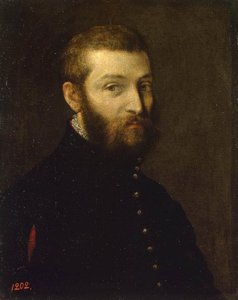
Paolo Veronese
1528 - 1588 , Itálie
Stručné informace
- Artistic Movement Or Style: Renesanční, Mannerismus
- Artists Or Movements Influenced By This Artist: ['Raffaele']
- Artists Who Influenced This Artist: ['Tiziano']
- Date Of Birth: 1528
- Date Of Death: 1588
- Full Name: Paolo Veronese
- Nationality: Italijský
- Notable Artworks:
- Svatba v Káni
- Večeře u Levi
- Place Of Birth: Verona, Itálie

