


 Náhled v interiéru
 Sdílet
 Sdílet
 Podrobnosti o díle
 Průvodce

 Stáhnout
 Podobné položky
 Rentgenové snímky
 Slideshow
 Statistiky
Virgem

 Zobrazit více
Giclée / Umělecký tisk
Giclée nebo plátěný tisk muzeální kvality s rychlou výrobou a širokou nabídkou povrchových úprav. ( Koupit ručně malovaný obraz Přepnout na digitální obraz)




P118B Kč10

P118H Kč10

P118W Kč10

P438Z Kč10

P508JH Kč12

P508YH Kč12

P805H Kč10

P805Z Kč10

P919BZ Kč10

P919G Kč10

P919XJ Kč10

P959ZH Kč10

P968JZ Kč12

W106C Kč8

W218G Kč10

W218JH Kč8

W218Y Kč10

W307PJ Kč10

W316G Kč10

W316PJ Kč8

W316Y Kč10

W398PJ Kč8

W4111J Kč10

W500HY Kč15

W500JH Kč15

W692G Kč12

W849H Kč8

W940BG Kč15

W953PJ Kč8




Vyberte si z našich přednastavených velikostí, které odpovídají původním proporcím díla.

Zadejte šířku a výšku, které potřebujete pro váš rám nebo stěnu. Tisk lze pouze oříznout, nikdy však nelze zvětšit obraz nad jeho původní rozměr, proto při výběru jiného formátu dochází ke ztrátě části obrazu. Před samotným tiskem vám zašleme digitální náhled k schválení. Obraz zobrazený na této stránce nenabízí skutečný výřez — ten uvidíte pouze v náhledu.
Celosvětové doručení () do 2 týdnů namísto standardních 4/5 týdnů. (27 říjen)

Zdarma celosvětová expresní doprava

Vysoce kvalitní lněné plátno

Kompletní pojištění přepravy

Záruka vrácení celního poplatku

Záruka věrného barevného souladu

100dení lhůta pro vrácení zboží (pouze při vadách výroby)

100% záruka vrácení peněz

Sleva při více objednávkách
 Skleněná varianta je dostupná pouze u rozměrů menších než 110 cm

Virgem
Giclée / Umělecký tisk
Rozměry reprodukce
-


Celková cena za vybrané možnosti reprodukcí
Kč 1370
Podobná díla


Biografie umělce
The Refined Vision of Pere Serra: A Catalan Master of the Late Gothic
Pere Serra, also known as Jaume Serra, stands as a compelling figure in the transition from the International Gothic style to the burgeoning Renaissance aesthetic within Catalonia. Born around 1357 and passing away in 1406, his life coincided with a period of significant artistic and cultural change across Europe, yet he maintained a distinctly Catalan sensibility throughout his career. While biographical details remain scarce – a common fate for artists working before widespread documentation – Serra’s surviving works speak volumes about his skill, refinement, and the patronage that supported his endeavors. He was deeply embedded in the artistic community surrounding Barcelona and, crucially, the influential monastery of Sant Cugat del Vallès, where much of his most important work can still be found today. His paintings weren't merely decorative; they were integral to religious devotion, designed to inspire contemplation and convey complex theological narratives to a largely illiterate populace.Early Influences and Artistic Development
Serra’s formative years likely saw him apprenticed within one of the numerous workshops flourishing in Barcelona during the 14th century. The city was a vibrant hub for trade and artistic exchange, exposed to influences from Italy, France, and Flanders. The International Gothic style, characterized by elegant figures, rich colors, lavish ornamentation, and meticulous detail, would have been dominant at this time. However, Serra’s work quickly distinguishes itself through a subtle yet profound shift in emphasis. While he embraced the decorative qualities of the Gothic tradition, he infused his compositions with a greater sense of naturalism and emotional depth than many of his contemporaries. The influence of Italian painting is often cited, particularly the works of artists like Simone Martini, though Serra adapted these influences to suit the Catalan context, creating a uniquely lyrical and expressive style. His early paintings demonstrate a mastery of tempera technique, employing layered glazes to achieve luminous colors and delicate modeling. He wasn’t simply copying existing styles; he was synthesizing them into something new – a distinctly Catalan Gothic voice.The Monestir de Sant Cugat: A Center for Serra's Art
The monastery of Sant Cugat del Vallès proved to be the defining artistic environment for Pere Serra. He received numerous commissions from the monastic community, undertaking extensive work on the altarpieces and devotional panels within the church. This long-term patronage allowed him to develop a cohesive visual language and explore complex iconographic programs. The ‘Virgem’ (Virgin Mary) series, in particular, showcases Serra's exceptional skill in depicting religious figures with grace, dignity, and profound emotional resonance. These panels weren’t isolated images; they were part of a larger devotional scheme intended to guide the faithful through their spiritual journey. His work at Sant Cugat also reveals his understanding of architectural space, as he carefully considered how his paintings would interact with the surrounding environment – the light filtering through stained glass windows, the arrangement of sculptural elements, and the overall atmosphere of the church. The altarpieces were not merely artworks; they were integral components of a sacred space designed to facilitate worship.Themes, Symbolism, and Technical Mastery
Serra’s paintings are deeply rooted in Christian iconography, but he imbued these traditional themes with a distinctly Catalan sensibility. He frequently depicted scenes from the life of the Virgin Mary, emphasizing her compassion, humility, and maternal role. The Annunciation, the Nativity, and the Crucifixion were common subjects, each rendered with meticulous detail and emotional intensity.- His use of gold leaf wasn’t merely decorative; it symbolized divine light and the heavenly realm.
- The vibrant colors – deep blues, rich reds, and luminous greens – evoked a sense of spiritual transcendence.
- Serra's figures are characterized by their elegant drapery, expressive gestures, and individualized features.
Legacy and Historical Significance
Pere Serra’s influence on Catalan painting is undeniable. He bridged the gap between the International Gothic style and the emerging Renaissance aesthetic, paving the way for a new generation of artists who would embrace more naturalistic forms and innovative techniques. While his work was not widely disseminated beyond Catalonia during his lifetime, it exerted a profound impact on local artistic traditions. His refined style, characterized by its elegance, emotional depth, and meticulous detail, became a hallmark of Catalan painting in the 15th century. Serra’s paintings continue to inspire awe and admiration today, offering a glimpse into the religious beliefs, artistic sensibilities, and cultural values of late medieval Catalonia. He represents a pivotal moment in Spanish art history – a master who skillfully blended tradition with innovation, creating a uniquely lyrical and expressive vision that continues to resonate centuries later.
Pere Serra
1357 - 1406
Rychlé informace o umělci
- Full Name: Pere Serra
- Nationality: Spanish
- Date Of Birth: 1357
- Date Of Death: 1406
- Place Of Birth: Catalonia
- Notable Artworks:
- Virgem
- Monestir de Sant Cugat
- Artistic Movement Or Style: Gothic-Italian
- Artists Who Influenced This Artist: ['Ramón Destorrents']
- Artists Or Movements Influenced By This Artist: ['Siena']
Související články
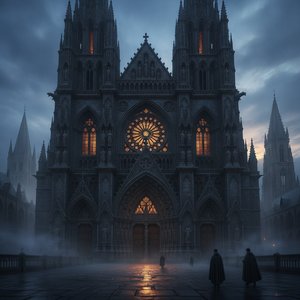
Gothic Art Guide for Hotel Designers: Leveraging Dramatic Shadows and Architectural Grandeur in Luxury Interiors
Elevate hospitality interiors with our expert guide to Gothic art. Discover how to leverage dramatic shadows, architectural grandeur, and high-end reproductions to create sophisticated, atmospheric hotel spaces that captivate guests.

The Melancholy Muse: Transform Personal Photos into Evocative Gothic Art Masterpieces
Elevate your space with bespoke Gothic art. Transform personal photos into evocative, hand-painted oil masterpieces. From Dark Romanticism to Modern Noir, our expert artists create timeless, high-end legacies for discerning collectors and luxury interiors.

