


 Náhled
 Sdílet
 Sdílet
 Podrobnosti o díle

 Stáhnout
 Podobné položky
 Rentgenové snímky
 Slideshow
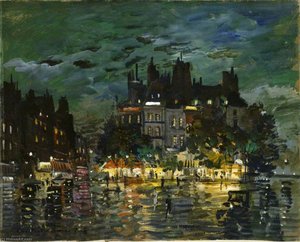
Window twilight
 Zobrazit více
Giclée / Umělecký tisk
Giclée nebo plátěný tisk muzeální kvality s rychlou výrobou a flexibilními možnostmi povrchové úpravy. ( Koupit ručně malovaný obraz Koupit obrázek)




































Vyberte si z našich přednastavených velikostí, které odpovídají původním proporcím díla.

Můžete zadat vlastní rozměry tak, aby výtvor odpovídal konkrétnímu rámu nebo prostoru. Pokud zvolená velikost nebude odpovídat poměru stran původního obrazu, dílo buď ořížeme, nebo obraz rozšíříme pomocí zrcadlového efektu či jednobarevného okraje. Před zahájením výroby vám bude zaslán digitální náhled k schválení.
Mějte prosím na paměti, že náhled na obrazovce neodráží skutečné oříznutí nebo rozšíření. Pouze digitální náhled přesně zobrazí finální kompozici.
Ačkoliv jsou k dispozici i vlastní rozměry, pro zachování původních proporcí doporučujeme vybrat si rozměr z předdefinovaného seznamu.
Celosvětové doručení () do 2 týdnů namísto standardních 4/5 týdnů. (14 srpen)

Zdarma celosvětová expresní doprava

Vysoce kvalitní lněné plátno

Kompletní přepravní pojištění

Záruka vrácení celního poplatku

Záruka přesného barevného shodu

60denní lhůta pro vrácení zboží (pouze při vadách výroby)

100% garance vrácení peněz

Sleva při hromadné objednávce
 Skleněná varianta je dostupná pouze u rozměrů menších než 110 cm

Window twilight
Giclée / Umělecký tisk
Rozměry reprodukce
-


Celková cena za výběr
$ 64
Podobná umělecká díla




Biografie umělce
A Quiet Visionary: The Life and Art of Peter Johan Kraft
Born in Hesse, Germany, around 1780, Peter Johan Kraft emerged from obscurity as a singular voice within the burgeoning Romantic landscape movement. Little is known about his early life—records indicate he pursued studies in mathematics and natural philosophy, disciplines that would undoubtedly inform his artistic sensibilities.
- Early Influences: Kraft’s formative years coincided with the rise of German idealism, championed by thinkers like Johann Gottlieb Fichte and Friedrich Wilhelm Joseph Schelling. These philosophical currents instilled a profound appreciation for sublime beauty—a concept central to Romantic aesthetics—and fueled his desire to capture the grandeur and emotional depth of nature.
- Movements: Kraft’s artistic journey unfolded primarily during the Romantic era (roughly 1800-1850), though he exhibited a remarkable sensitivity to stylistic nuances beyond its core tenets. He skillfully blended elements of Neo-Classical precision with Impressionistic luminosity, creating canvases that resonate with both intellectual rigor and perceptual immediacy.
Mediterranean Serenity: Kraft’s Landscape Paintings
Kraft’s oeuvre is overwhelmingly devoted to depictions of the Mediterranean—specifically coastal regions of Italy and France. These landscapes are characterized by a masterful command of light and color, achieved through meticulous observation and painstaking brushwork. He eschewed dramatic contrasts in favor of subtle gradations that convey an atmosphere of profound stillness.
- Technique: Kraft employed a layered glazing technique—a hallmark of Neo-Classical painting—to build up tonal harmonies with remarkable subtlety. However, he infused his compositions with Impressionistic touches—particularly in the depiction of atmospheric haze and reflected light—demonstrating an intuitive grasp of perceptual principles.
- Symbolism: Recurring motifs within Kraft’s landscapes—such as cypress trees, olive groves, and distant mountains—carry symbolic weight. These elements evoke associations with mortality, resilience, and spiritual contemplation, reflecting the Romantic preoccupation with existential themes.
Parisian Reflections: Capturing Urban Life
Beyond his celebrated landscapes, Kraft produced a series of paintings that offer glimpses into Parisian life during the mid-century. Unlike many artists of his time who sought to portray urban dynamism, Kraft focused on capturing moments of quiet contemplation—often featuring interiors bathed in soft twilight hues.
- Atmosphere: Kraft’s Parisian scenes are imbued with an ethereal luminescence that transcends mere optical realism. He skillfully manipulated color and tonal values to evoke a mood of melancholy beauty—a stylistic choice that aligns perfectly with the Romantic impulse toward emotional expression.
- Composition: Kraft favored asymmetrical compositions—often employing diagonals to create visual tension—that subtly guide the viewer’s gaze across the canvas. These compositional strategies underscore his belief in the primacy of feeling over formal convention.
Legacy and Historical Significance
Peter Johan Kraft died in 1856, leaving behind a modest but undeniably distinctive body of work. While he never achieved widespread fame during his lifetime, his paintings continue to captivate audiences today with their serene beauty and profound psychological insight. Kraft stands as an exemplar of Romantic artistic sensibility—a testament to the enduring power of observation, imagination, and emotional honesty.

peter johan kraft
1780 - 1856 , Germany
Rychlé fakta
- Artistic Movement Or Style: Mediterranean Landscape
- Artists Or Movements Influenced By This Artist: ['Romanticism']
- Artists Who Influenced This Artist: ['Romanticism']
- Date Of Birth: 1780
- Full Name: Peter Johan Kraft
- Nationality: German
- Notable Artworks: ['Twilight Studies']
- Place Of Birth: Hesse, Germany



