


 Náhled
 Sdílet
 Sdílet
 Podrobnosti o díle

 Stáhnout
 Podobné položky
 Rentgenové snímky
 Slideshow
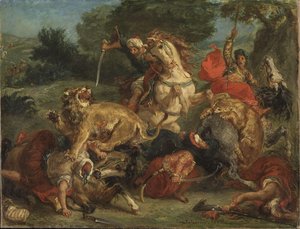
The stag hunt
 Zobrazit více
Ručně malovaná olejová reprodukce
Ručně malovaná olejná barva na plátně ve vašem zvoleném rozměru i s rámem, vyrobená našimi umělci na zakázku. ( Koupit tisk Koupit obrázek)




































Vyberte si z našich přednastavených velikostí, které odpovídají původním proporcím díla.

Můžete zadat vlastní rozměry pro konkrétní rám nebo prostor. Pokud se vámi vybraná velikost neshoduje s proporcemi původního obrazu, dílo buď ořízneme, nebo jej doplníme ručně malovanými prvky. Před zahájením výroby vám bude zaslán digitální náhled ke schválení.
Upozorňujeme, že náhled na obrazovce neodpovídá skutečnému ořezu ani rozšíření. Pouze digitální náhled přesně zobrazí finální kompozici.
Ačkoliv je možné zvolit vlastní velikost, pro zachování původních proporcí doporučujeme vybrat rozměr z předdefinovaného seznamu.
Po přijetí objednávky vám tým AllPaintingsStore.com zašle e-mail s pokyny a poskytne náhledovou verzi.
Celosvětová doprava () za 3–4 týdny namísto standardních 5 týdnů. (17 srpen). Bez kompromisů v kvalitě.

Zdarma celosvětová expresní doprava

Vysoce kvalitní lněné plátno

Kompletní přepravní pojištění

Záruka vrácení celního poplatku

Záruka přesného barevného shodu

60denní lhůta pro vrácení zboží (pouze při vadách výroby)

100% garance vrácení peněz

Sleva při hromadné objednávce
 Skleněná varianta je dostupná pouze u rozměrů menších než 110 cm

The stag hunt
Technika reprodukce
Rozměry reprodukce
-


Celková cena za výběr
$ 258
Podobná umělecká díla




Biografie umělce
The Shepherd of Tivoli: The Life and Legacy of Philipp Peter Roos
In the golden light of the Italian Baroque, few names evoke the pastoral serenity of the countryside quite like Philipp Peter Roos. Known to history by his evocative moniker, Rosa di Tivoli, this German-born master transformed the landscape genre through a profound, almost visceral connection to the natural world. Born in 1655 in the Rhineland region—specifically near Sankt Goar—Roos was destined for the brush from his earliest years. He was the son of Johann Heinrich Roos, a respected landscape painter who provided the foundational lessons in tonal harmony and compositional balance that would later define the artist's mature style. This early apprenticeship was not merely about technique; it was an immersion into a way of seeing the world through the lens of light, shadow, and the quiet dignity of the earth.
The trajectory of Roos’s life shifted dramatically in 1677, a moment precipitated by the generosity of Charles I, Landgrave of Hesse-Kassel. Recognizing the burgeoning talent within the young painter, the Landgrave provided the financial means for Roos to embark on a transformative journey to Rome. This migration from the Germanic traditions to the heart of the Italian Baroque allowed Roos to absorb the vibrant energy of Roman art. It was here that he sought mentorship under the celebrated Giacinto Brandi, whose influence helped refine Roos’s ability to blend classical structure with a more spontaneous, atmospheric realism. This period in Rome was also deeply personal; it was during these years that Roos fell in love with Isabella Brandi, the daughter of his mentor. Their union would eventually lead him to settle in Tivoli, a move that would forever link his identity to the landscape he so loved.
A Living Studio: The Artistry of the Natural World
What truly distinguishes the oeuvre of Rosa di Tivoli is the unparalleled authenticity of his animal subjects. Unlike many of his contemporaries who used animals as mere decorative afterthoughts in a landscape, Roos treated every creature—from the heavy-set bull to the nimble goat—with the reverence of a portraitist. His residence in Tivoli was famously designed around a concept akin to a living studio; he maintained a sprawling collection of exotic and domestic animals, effectively turning his surroundings into a continuous study of movement, anatomy, and temperament. This intimate proximity allowed him to capture the subtle twitch of an ear or the muscular tension of a beast under duress, lending his canvases a breathtaking vitality.
His technical mastery is evident in the way he navigated the complexities of the Baroque aesthetic. While his compositions often draw upon the serene, atmospheric qualities of the Dutch Golden Age, they are infused with a dramatic intensity characteristic of the Italian school. His works frequently feature:
- Pastoral Serenity: Idyllic scenes where shepherds and livestock exist in a state of timeless, quiet harmony.
- Dramatic Action: Rare but striking moments of tension, such as his depictions of hounds attacking prey, which showcase his ability to render raw, naturalistic conflict.
- Tonal Mastery: A sophisticated use of muted, earthy palettes that ground his landscapes in a sense of profound realism and atmospheric depth.
Historical Significance and the Baroque Spirit
The historical importance of Philipp Peter Roos lies in his ability to bridge the gap between the structured landscape traditions of Northern Europe and the emotive, light-filled drama of Italy. He emerged at a time when the scientific inquiry of the era was beginning to demand more precise observations of the natural world, even as religious and mythological themes still dominated the artistic consciousness. In his paintings, one finds both the meticulous detail of a naturalist and the poetic soul of a romantic. By documenting the flora and fauna of the Roman countryside with such devotion, he created a visual record that is as much about the spirit of the age as it is about the subjects themselves.
Though he passed away in 1706, leaving behind a legacy etched into the very soil of Tivoli, his influence endured. He remains a pivotal figure for anyone studying the evolution of animalier painting and the development of the Italianate landscape. Through his eyes, we do not merely see a collection of livestock; we witness a profound celebration of life in its most fundamental, unadorned forms. His work continues to resonate as a testament to the power of observation and the enduring beauty of the pastoral ideal.

Philipp Peter Roos
1655 - 1706 , Germany
Rychlé fakta
- Artistic Movement Or Style: Baroque
- Artists Or Movements Influenced By This Artist: ['Dutch Golden Age']
- Artists Who Influenced This Artist: ['Johann Heinrich Roos']
- Date Of Birth: 1655
- Date Of Death: 1706
- Full Name: Philipp Peter Roos
- Nationality: German
- Notable Artworks:
- A Landscape with a Milkmaid
- Landscape with Goats and Cattle
- Landscape with Bull, Goats and Attendant
- Place Of Birth: Frankfurt am Main, Germany




