Život a identita Rafaela
Rafael, v dějinách známý pod několika jmény, mezi ně patří Raffaello Sanzio, Raffaello Santi či Raffaello Sanzio da Urbino, byl ústřední postavou italského vrcholného renesance. Jeho život definovala dvojitá mistrovství v malířství a architektuře, tato všestrannost mu umožnila plynule přecházet od intimního měřítka portrétu k monumentálním nárokům papežských staveb. Narodil se 6. dubna 1483 v italském Urbinu, vteřině světa plném intelektuální a umělecké aktivity.
Jeho kariéra byla poznamenána nesmírnou produktivitou, která vyžadovala vedení rozsáhlé dílny, aby dokázal uspokojit potřeby svých patronů. Tato profesní kapacita byla vyrovnána společenskou elegancí, díky níž se dokázal pohybovat v nejvyšších kruzích papežského dvora. Procházel nejvýznamnějšími uměleckými centry Itálie a nakonec se usadili v Římě, kde byl jeho vliv na fyzickou i vizuální podobu města nesmírný. Byl mužem významného společenského postavení, který se často pohyboval v blízkosti politických a náboženských vůdců své doby.
Průběh jeho života byl v Římě, v Papalských státech, náhle přerušen. Zemřel 6. dubna 1520 ve věku 37 let. Jeho odchod byl na papežském dvoře vnímán velmi hluboce, což znamenalo konec kariéry, která již tehdy zásadně přepsala standardy klasické kompozice a architektonického návrhu. Zanechal po sobě obrovské dílo, které zůstává hlavním referenčním bodem pro studium renesančních ideálů.
Raný život, rodina a formování
Klidná a intelektuální atmosféra Urbinu položila pevné základy pro mladého Raffaella. Narodil se v prostředí dvorského vykládání, jako syn Giovianniho Santiho a Magie di Battista Ciarla. Jeho otec, malíř působící na dvorech vévody, zajistil, aby se Rafaelovy první roky prožily v hlubokém ponoření do humanistických tradic italských dvorů. Toto prostředí mu nabídlo mnohem víc než jen domov; bylo to okno do světa pokročilých uměleckých idejí, které tehdy proudily střední Italií. Když však v roce 1494 zasáhla rodinu tragédie a jeho otec zemřel, chlapci bylo pouhých jedenáct let. Tato ztráta mu vybrala předčasnou zralost, neboť se musel okamžitě vydat na cestu za vedením rodinné dílny.
Jeho formální umělecké vzdělání ho zavedlo do dílny Pietra Perugina v Perugii. Pod vedením tohoto mistra nasál umbrijský styl, jehož podstata spočívala v jemném modelování forem a v tvorbě klidných, meditačních náboženských scén. Toto náročné učení bylo nesmírně přínosné. Ve chvíli, kdy byl kolem roku 1500 uznán za samostatného mistra, jeho rukopis již vykazoval zvláštní míru jasnosti a přirozené lehkosti. Rafael putoval městy severní Itálie a sbíral vědomosti podobně jako cestovatel sbírající vzácné mince, než ho neodolatelný magnet velkých uměleckých center začal měnit v to, čím se stal.
Florentské období a umělecký růst
S příchodem do Florencie v roce 1504 vstoupil mladý malíř do města, které bylo definováno přítomností skutečných obrů. Rafael nebyl pouze svědkem díla Leonarda da Vinciho a Michelangela; on je pohlcoval. Jeho vývoj byl formován pečlivým studiem jejich odlišných přístupů, které se mísily s vlivem Fra Bartolommea a Masaccia. Toto období nebylo spíše odchodem od jeho umbrijských kořenů, nýbrž sofistikovanou syntézou florentského stylu. Anatomickou přesnost a dramatickou váhu svých současníků dokázal integroval do nového, vyváženějšího a jasnějšího vizuálního jazyka.
Právě tato éra mu umožnila zdokonalit schopnost zachytit lidskou přítomnost skrze náboženský i světský pohled. Mezi lety 1504 a 1507 vytvořil sérii Madonn, které vykazovaly rostoucí mistrovství v kompozici a emocionální čistotě. Během těchto let se ugruntoval také jako významný portrétista, který se nespokojil s pouhým zachycením podoby, ale dokázal svým modelům vdechnout pocit důstojnosti. Jeho dílo z této doby odráží přechod od jemných tradic jeho raného učení směrem k monumentální jasnosti, která později definovala jeho vrcholnou kariéru v Římě.
Římské roky a papežský patronát
Papežské povolání od papeže Julia II. v roce 1508 zásadně změnilo běh života, který vykročil z konkurenčního prostředí Florencie směrem k monumentální éře Říma. Do Věčného města přistoupil Rafael nejen jako malíř, ale jako klíčová postava vizuálního jazyka papežského dvora. Jeho přítomnost ve Vatikánu byla charakteristická neuvěřitelnou produktivitou, díky níž se stal nejoblíbenějším umělcem v Římě. Dostal na starost výzdobu papežských apartmánů, což byla zodpovědnost vyžadující dokonalou rovnováhu mezi intimními devócioními motivy a grandiózními historickými narativy. Toto období ho vystrčilo za rámec stojanu; Rafael se začal věnovat i významným architektonickým úkolům. Po smrti Donata Bramanteho v roce 1514 byl jmenován architektem zodpovědným za stavbu baziliky svatého Petra, což odráželo obrovskou důvěru v jeho schopnost organizovat a realizovat komplexní, rozsáhlé projekty.
Jeho vliv se šířil skrze vládu po sobě jdoucích papežů, včetně Leva X, zatímco se Rafael pohyboval v intričních sociálních a politických hierarchiách papežského dvora. Rozsah jeho zakázek rostl spolu s jeho pověstí, což vyžadovalo vedení neobvykle velké dílny, která musela uspokojit nároky jeho patronů. Zatímco jeho raná léta byla definována hledáním elegance a jemnosti, římské roky byly vyznaceny snahou o řád a monumentální velkolepost. Stal se neodmyslitelnou součástí Vatikánu, jehož rukopis je patrný v samotné podstatě těch nejposvátnějších prostor města.
Technika, styl a umělecká vize
Rafael disponoval vzácnou schopností syntetizovat rozmanité inovace svých současníků do jednoho, koherentního jazyka. Nejednalo se o pouhé napodobování mistrů, které potkal ve Florencii; on jejich silné stránky spíše destiloval. Od Leonarda da Vinciho převzal jemné gradace sfumata, zatímco anatomická přesnost a svalnatost Michelangela formovaly jeho chápání lidské postavy. Tato syntéza mu umožnila překonat prostou imitaci a vytvořit styl definovaný jasností formy a neuvěřitelnou lehkostí kompozice. Jeho postavy prostupují svým prostorem s přirozenou grácií a vyhýbají se těžkému napětí, které někdy charakterizovalo díla jeho vrstevníků.
Jeho estetika byla zakořeněna v neoplatonickém ideálu lidské velikosti, jenž se snažil vyjádřit důstojnost jednotlivce prostřednictvím vyvážených proporcí a zářivého koloru. K vytvoření hloubky a objemu využíval techniku chiaroscuro, přičemž si však udržoval pocit řádu, který bránil jeho scénám v chaosu. Tento rovnováha mezi světlem a stínem, mezi tím fyzickým a ideálním, vdechla jeho dílům pocit nebeského klidu. I v jeho nejsložitějších historických či náboženských kompozicích je patrný pocit harmonie, který vede oko diváka skrze vyprávění obrazu.
Tento neustálý pronásledování dokonalosti byl zřejmý v jeho rozmanitých ztvárnicích Madonny, kde dokázal vyvážit mateřské teplo s vyváženou, geometrickou grácií. Jeho schopnost spojit vědecké pozorování světla s idealizovanou představou krásy zajistila, že jeho kompozice působily zároveň ukotveně v realitě i povýšeně v duchu. Dosáhl vizuální stability, která se stala standardem vysoké renesance, když se soustředil na tichou sílu správně umístěného pohledu či precizní záhyb látky, aby vyjádřil hluboké lidské emoce.
Hlavní zakázky a vedení dílny
Rozsah Rafaelovy římské kariéry vyžadoval úroveň organizace, která přesahovala tradiční model uměleckého studia. Aby dokázal čelit obrovským nárokům papežského dvora, řídil neobvykle velkou dílnu, rušivé centrum produkce, které fungovalo s precizností malé společnosti. Zatímco jeho vlastní ruka vedla ty nejvýznamnější kompozice, velká část fyzické realizace jeho vize připadla na jeho asistenty. Tito zruční žáci často vytvářeli díla přímo podle jeho přípravných skic, čímž zajišťovali jednotnost stylu napříč celou řadou projektů. Tento systém mu umožnil udržet vysokou míru produktivity i ve chvíli, kdy se jeho zodpovědnosti rozšířily do sféry architektury a urbanismu.
Jeho vliv ve Vatikánu byl nesmírně široký i hluboký. Byl mu svěřen postupný řetězec důležitých zakázek na zdobení papežských apartmánů, ale jeho autorita sahala daleko za rám plátna. Rafael byl pověřen vedením všech papežských projektů zahrnujících architekturu, malby, dekorace a zachování antických památek. Tato mnohostranná role z něj učinila ústřední postavu při fyzickém i estetickém utváření papežské rezidence. Jeho projektová činnost se nezaměřovala pouze na stěny a stropy; navrhoval také vzory pro gobelíny určené pro papežský dvůr, čímž integroval svou estetiku do samotné podstaty dvorského života.
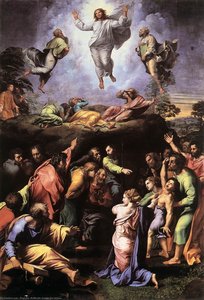
- The Transfiguration (commissioned 1517)
Významná díla a slavná mistrovská díla
Obrovský rozsah jeho tvorby lze nejlépe pochopit skrze jeho mnohé Madonny, díla, která definovala vizuální jazyk mateřské milosti. Tyto obrazy často vykazovaly lidské teplo a pocit klidné rovnováhy, které se staly neoddělitelnou součástí jeho stylu. Ve Florencii jeho experimentování s tímto tématem dosáhlo významného bodu s dílem La belle jardinière, dokončeným v roce 1507. Tento výtvěr odráží přechod od jeho raného umbrijského vzdělání směrem k sofistikovanějším kompozicím, které později definovaly jeho římské období.
V Římě jeho zakázky dosáhly v rámci Vatikánu monumentálního měřítka. Dostal na starost výzdobu Stanza della Segnatura, kde vytvořil rozsáhlé freskované cykly integrující klasickou filozofii s náboženskými tématy. Mezi nimi zůstává Škola Athén jeho nejslavnějším dílem, což je obrovská kompozice, která v rámci jednoho harmonického prostoru svedla největší myslitele antiky. Tento úspěch demonstroval jeho schopnost pracovat s komplexními, velkolepými narativy prostřednictvím precizní perspektivy a řádu.
Jeho poslední roky byly poznamenány nesmírnou produktivitou, která zahrnovala jeho největší plátno, Zvěstování, na které bylo objednáno v roce 1517. Tento obraz, na kterém pracoval v době své smrti, představuje vrchol jeho technických dovedností a schopnosti pracovat s dramatickými, velkolepými tématy. Jeho schopnost vyvážit tak intenzivní lidské emoce s klasickou strukturou zůstala po celou jeho kariéru konstantou.
Učedníci, rivalové a umělecká linie
Rafael zaujímal ve vrcholné renesanci jedinečné postavení, když tvořil triumvirát tvůrčích gigantů spolu s Leonardem da Vincim a Michelangelem. Zatímco jeho současníci často sledovali odlišné cesty vědeckého pozorování nebo svalového napětí, Rafael si vypracoval styl založený na jasnosti a rovnováze, který se stal vzorem pro akademickou tradici. Tato harmonie nebyla pouze jeho osobním úspěchem, ale i pedagogickým přínosem, neboť jeho neuvěřitelná produktivita vyžadovala vysoce organizované studio, které dokázalo uspokojit nároky jeho papežských zakázek.
Řízení této dílny bylo ústřední součástí jeho profesního života. Jeho učedníci nebyli pouhými asistenty; byli vyškoleni tak, aby udrželi specifickou estetiku jeho školy. Mezi nimi se vyvinul významný představitel Giulio Romano, kterému bylo často svěřeno provádění děl vycházejících z Rafaelových originálních náčrtů. Romanoův vlastní styl nakonec nesl umělecký vliv maestra do nových směrů a často odrážel kompozice a tvary ustálené ve Vatikánu. Tato linie zajistila, že jméno Rafael zůstalo synonymem pro určitý druh elegance a řádu ještě dlouho po jeho smrti.
Navzdory jeho obrovskému úspěchu byl jeho kariérní vzestup stíněn přítomností jeho velkého rivala, Michelangela. Napětí mezi jejich odlišnými přístupy – jeden upřednostňoval harmonické proporce, druhý dramatickou anatomickou sílu – definovalo velkou část uměleckého diskurzu dané éry. Ačkoliv byl Rafaelův vliv hluboký, váha Michelangelova stylistického dopadu byla v očích pozdějších generací, zejména v 18. a 19. století, často vnímána jako silnější. Tato soutěž dvou odlišných vizí lidské velikosti pomohla po staletí formovat trajektorii západního malířství.
Konec plodné kariéry
Dynamika kariéry, která dosáhla samotných výšin papežské přízně, byla zastavena s překvapivou náhlostí. 6. dubna 1520, v den jeho třicetsedmých narozenin, zemřel Rafael v Římě zcela nečekaně. Jeho odchod byl v papežském dvoře vnímán jako hluboká ztráta; jeho vliv byl tak hluboce zapleten do samotné struktury náboženského i občanského života, že papež měl v úmyslu povýšit ho na kardinála. Místo toho však muž, který se stal vizuálním hlasem pápežství, odešel předtím, než mu mohly být uděleny tyto poctivé hodnosti.
V době své smrti se stále aktivně věnoval svému nejmonumentálnějšímu dílu, velkolepé plátně Proměnění. Toto dílo zůstalo v okamžiku jeho úmrtí nedokončené, jako poslední, dozvukový fragment života definovaného nesmírnou tvůrčí produktivitou. Jeho náhlé odejdení zanechalo Vatikán i uměleckou obec Říma v hlubokém smutku a znamenalo tichý konec období intenzivní tvůrčí činnosti.
Jeho pozůstalina byla pohřbena v Pantheonu v Římě v Itálii, místě nesmírného historického a architektonického významu. Toto poslední odpočinové místo odráželo důstojnost jeho postavení i vysoké uznání, kterým ho u autorit Papežských států těšil. Zanechal po sobě obrovské dílo vytvořené prostřednictvím vysoce organizované dílny, čímž zajistil, že jeho přítomnost v historii vysoké renesance zůstane nezpochybnitelná.
Kde dnes spatřit jeho díla
Fyzické pozůstatky jeho neuvěřitelně plodné kariéry jsou rozptýleny v nejvýznamnějších centrech evropského umění. V Římě zůstává velká část jeho nejvýznamnější tvorby v areálu Vatikánského paláce, kde jeho fresky i nadále definují vizuální jazyk papežských apartmánů. Tato díla, mezi nimiž patří i oslavovaná Škola Athén, zaplňují právě ty prostory, jejichž výzdobu Rafael pomáhal vytvářet během svých nejplodnějších let v Večném městě.
Mimo Vatikán je jeho přítomnost cítit v největších galeriích celého kontinentu. V Paříži se v Louvru nachází několik jeho obrazů, zatímco National Gallery of Art ve Washingtonu uchovává jeho díla pro současné diváky. Ve Florencii sídlí Galleria degli Uffizi, která hostí mnoho jeho portrétů a nabízí pohled do tváří renesanční šlechty, které on tak pečlivě vykreslil. Galerie Uffizi obsahuje také několik dalších významných děl, což zaručuje, že jeho vliv zůstává pevně zakotven v italské tradici.
- Proměnění, Vatikánská muzea, Vatikán
- Madonna della Seggiola, Palazzo Pitti, Florencie
- Portrét Juliusa II, Galleria degli Uffizi, Florencie
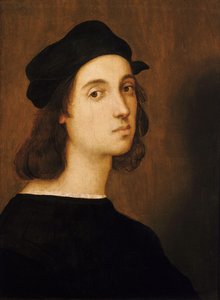
- Autoportrét, Galleria degli Uffizi, Florencie
- Svatby Panny Marie, Pinacoteca di Brera, Milán


 Zobrazit více




 Přepnout na tisk


 U děl nebo reprodukcí, u nichž je jakákoliv strana větší než 105 cm (přibližně 41 palců), bude rám dodán jako sestava v rozloženém stavu. Tato metoda zajišťuje bezpečné doručení a chrání dílo před poškozením během přepravy.


