


 Preview
 Objednat reprodukci Koupit digitální obrázek
 Sdílet
 Sdílet
 Podrobnosti o díle
 Přidat do oblíbených

 Stáhnout
 Podobné položky
 Rentgenové snímky
 Slideshow
Beach
 Post-Impressionism
 39.0 x 58.0 cm
 Royal West of England Academy
 Zobrazit více
Giclée / Umělecký tisk
Giclée nebo plátěný tisk muzeální kvality s rychlou výrobou a flexibilními možnostmi povrchové úpravy.




































Vyberte si z našich přednastavených velikostí, které odpovídají původním proporcím díla.

Můžete zadat vlastní rozměry tak, aby výtvor odpovídal konkrétnímu rámu nebo prostoru. Pokud zvolená velikost nebude odpovídat poměru stran původního obrazu, dílo buď ořížeme, nebo obraz rozšíříme pomocí zrcadlového efektu či jednobarevného okraje. Před zahájením výroby vám bude zaslán digitální náhled k schválení.
Mějte prosím na paměti, že náhled na obrazovce neodráží skutečné oříznutí nebo rozšíření. Pouze digitální náhled přesně zobrazí finální kompozici.
Ačkoliv jsou k dispozici i vlastní rozměry, pro zachování původních proporcí doporučujeme vybrat si rozměr z předdefinovaného seznamu.
Celosvětové doručení () do 2 týdnů namísto standardních 4/5 týdnů. (25 červenec)

Zdarma celosvětová expresní doprava

Vysoce kvalitní lněné plátno

Kompletní přepravní pojištění

Záruka vrácení celního poplatku

Záruka přesného barevného shodu

60denní lhůta pro vrácení zboží (pouze při vadách výroby)

100% garance vrácení peněz

Sleva při hromadné objednávce
 Skleněná varianta je dostupná pouze u rozměrů menších než 110 cm

Beach
Giclée / Umělecký tisk
Rozměry reprodukce
-


Celková cena za výběr
-
Podobná umělecká díla


Biografie umělce
Richard MacDonald: Sculpting the Essence of Movement
Richard MacDonald (b. 1946) stands as a towering figure in contemporary American sculpture, celebrated for his monumental bronze works that distill the dynamism and beauty inherent in human movement—primarily inspired by dancers and athletes. Born in Yeovil, England, MacDonald’s artistic journey began with formal training at Leeds College of Art and subsequently honed at the Royal College of Art, establishing him as a respected educator alongside a prolific creative output. His distinctive style blends neo-realism with expressive abstraction, resulting in sculptures that convey both anatomical precision and emotional resonance.- Early Influences: MacDonald’s formative years were marked by exposure to British Sporting Art, notably Ramsay Richard Reinagle's depictions of equestrian pursuits and animal portraits—a tradition he embraced as a young artist.
- Academic Career: He lectured at Leeds College of Art and Camberwell School of Arts & Crafts, fostering the next generation of sculptors while simultaneously refining his own artistic vision.
- Notable Exhibitions: MacDonald’s work gained recognition through participation in influential groups like the London Group and the New English Art Club, culminating in a triumphant solo exhibition at the Royal Academy showcasing his evolving aesthetic.
The Rise of Neo-Realism & Artistic Exploration
MacDonald's breakthrough came in the mid-1950s when he transitioned to neo-realist sculpture, prioritizing anatomical accuracy and capturing the physicality of subjects—often dancers or athletes—with remarkable detail. This stylistic shift reflected a broader trend within European art at the time, emphasizing observation and conveying emotional depth through form. His sculptures aren’t merely representations; they are embodiments of energy and grace, meticulously crafted to evoke a profound connection with the human experience.- Collaboration with Joseph Losey: MacDonald achieved considerable success as an Art Director for films directed by Joseph Losey, notably “The Feeding Time” and “Oliver!”, cementing his reputation as a visual storyteller.
- Hollywood Career: He moved to Hollywood in 1968, contributing to numerous productions including "Bonnie and Clyde," "Good Morning Vietnam" and "Flash Gordon."
Signature Style & Recurring Themes
MacDonald’s sculptural technique is characterized by a masterful command of bronze casting—a medium he consistently utilizes throughout his career. He employs a subtractive process, meticulously carving away material to reveal the underlying form, resulting in sculptures that possess both solidity and fluidity. Recurring themes within his oeuvre include movement, balance, and the exploration of human anatomy—often depicted with striking realism alongside subtle expressive gestures. His work frequently references classical sculpture, demonstrating an enduring appreciation for artistic heritage.Monumental Achievements & Artistic Legacy
MacDonald’s monumental sculptures—particularly those commissioned for public spaces—have garnered international acclaim and solidified his place as one of America's foremost sculptors. Notable projects include “Return to the City at Evening” in Toronto, Canada – a striking depiction of London’s twilight skyline – and “Beach,” reflecting solitude and contemplation. His enduring influence can be seen in the work of countless artists who have drawn inspiration from his pioneering approach to figurative sculpture. MacDonald continues to sculpt today, demonstrating an unwavering commitment to artistic innovation and perpetuating his legacy as a visionary artist.Further Exploration
For deeper insights into Richard MacDonald’s life and art, consider visiting Musée Richard Anacréon in Granville, France – showcasing early 20th-century modern art alongside literary treasures – or exploring the Art Gallery of Guelph (formerly Macdonald Stewart) in Ontario, Canada. Discovering his artistic journey offers a captivating glimpse into the evolution of contemporary sculpture and its enduring fascination with capturing human movement and emotion.
richard macdonald
1946 -
Rychlé fakta
- Artistic Movement Or Style: Neo-realism
- Artists Or Movements Influenced By This Artist: ['Cirque du Soleil']
- Artists Who Influenced This Artist: ['Ramsay Richard Reinagle']
- Date Of Birth: 1946
- Date Of Death: Living
- Full Name: Richard MacDonald
- Nationality: American
- Notable Artworks:
- Return to the City at Evening
- Beach
- Place Of Birth: Yeovil, England
Související články

25 Mistrovských Děl Národní Galerie v Londýně: Umění pro Váš Domov | AllPaintingsStore
Prozkoumejte 25 ikonických děl Národní galerie v Londýně! Obrazy Van Gogha, Moneta, Rembrandta a dalších mistrů. Historie umění, techniky a inspirace pro váš interiér. Reprodukce obrazů nejvyšší kvality na AllPaintingsStore.com
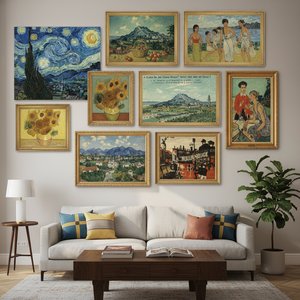
Top 10 mistrovských děl postimpresionismu: Umění a inspirace pro váš domov
Prozkoumejte 10 ikonických děl postimpresionismu od Van Gogha, Moneta a Cézanna. Objevte příběhy umělců, techniky a inspiraci pro váš interiér s luxusními reprodukcemi obrazů na AllPaintingsStore.com.

Henri Moret: Capturing the Essence of Brittany's Light – A Study in Post-Impressionist Landscape Painting
Explore the captivating landscapes of Henri Moret, a master of Post-Impressionism. Discover his unique style, key works, and legacy in our expert guide. Learn about collecting Moret's art & its investment potential.

Richard Wilson: Deconstructing Landscape & Memory in Contemporary Installation Art
Explore Richard Wilson's groundbreaking landscape paintings & his enduring influence on contemporary installation art. Discover investment opportunities, provenance insights & the materiality of memory in this expert analysis.

Richard Parkes Bonington: A Brief but Brilliant Career – Romantic Landscapes & the Dawn of Plein Air Painting
Explore the short but impactful career of Richard Parkes Bonington, a pivotal figure bridging British Romanticism & French plein air painting. Discover his luminous landscapes and lasting influence on Delacroix & beyond.



