


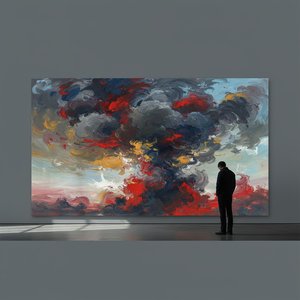
 Náhled v interiéru
 Sdílet
 Sdílet
 Podrobnosti o díle
 Průvodce

 Stáhnout
 Podobné položky
 Rentgenové snímky
 Slideshow
 Statistiky
Untitled
 Oil On Canvas
- WallArt
- Abstract Expressionism
 1997
1997- Contemporary
 80.0 x 65.0 cm
 Albertina Klosterneuburg
 Zobrazit více
Umělecké dílo zobrazené na této stránce je chráněno autorským zákonem, což znamená, že nemůžeme legálně vytvářet ani prodávat jeho identickou reprodukci. Tato ochrana je vymáhána na základě mezinárodních dohod, jako například Berberská úmluva a národními zákony, včetně těch stanovených v Americký autorský zákon – Díl 17. Všechna práva vyhrazena.
Tato metoda je plně v souladu s autorským právem, protože nezahrnuje kopírování ani duplikování chráněného díla. Jde o kreativní reinterpretaci – nový obraz, který je inspirován originálem, ale není s ním identický.
Giclée / Umělecký tisk
Giclée nebo plátěný tisk muzeální kvality s rychlou výrobou a širokou nabídkou povrchových úprav. ( Koupit ručně malovaný obraz Přepnout na digitální obraz)




































Vyberte si z našich přednastavených velikostí, které odpovídají původním proporcím díla.

Zadejte šířku a výšku, které potřebujete pro váš rám nebo stěnu. Tisk lze pouze oříznout, nikdy však nelze zvětšit obraz nad jeho původní rozměr, proto při výběru jiného formátu dochází ke ztrátě části obrazu. Před samotným tiskem vám zašleme digitální náhled k schválení. Obraz zobrazený na této stránce nenabízí skutečný výřez — ten uvidíte pouze v náhledu.
Celosvětové doručení () do 2 týdnů namísto standardních 4/5 týdnů. (26 říjen)

Zdarma celosvětová expresní doprava

Vysoce kvalitní lněné plátno

Kompletní pojištění přepravy

Záruka vrácení celního poplatku

Záruka věrného barevného souladu

100dení lhůta pro vrácení zboží (pouze při vadách výroby)

100% záruka vrácení peněz

Sleva při více objednávkách
 Skleněná varianta je dostupná pouze u rozměrů menších než 110 cm

Untitled
Giclée / Umělecký tisk
Rozměry reprodukce
-


Celková cena za vybrané možnosti reprodukcí
Kč 1370
An Atmospheric Encounter with the Abstract
In this evocative oil painting from 1997, titled Untitled, the viewer is invited into a world where the boundaries between reality and abstraction dissolve into a mist of color and texture. The work presents a muted, atmospheric landscape dominated by large, amorphous rock formations that seem to emerge from a dreamlike haze. Rather than providing a literal depiction of a specific place, Siegfried Anzinger utilizes an Abstract Expressionist approach to capture the raw essence of a landscape. The composition is masterfully layered, guiding the eye through dark, textured masses in the foreground toward lighter, blended horizons that suggest distant hills or a soft, overcast sky. It is a piece that does not merely show a scene but evokes a profound sense of presence and stillness.
The technique employed by Anzinger is one of visceral immediacy. Using oil paints on canvas, the artist applies pigment with loose, gestural brushstrokes that emphasize the tactile quality of the medium. There are no sharply defined edges here; instead, shapes are organic and irregular, echoing the natural irregularities of stone and earth. The heavy layering of paint creates a physical depth, where shadows feel as though they possess weight and light feels diffused through a thick, humid atmosphere. This painterly approach allows for a subtle interplay of light and shadow, creating a sense of atmospheric perspective that pulls the observer deeper into the nebulous terrain.
Existential Echoes and Symbolic Depth
Beyond its aesthetic beauty, the painting carries a weight of existential inquiry characteristic of Anzinger’s broader body of work. As a prominent figure of the Neue Wilde movement, Anzinger often explores themes of loneliness, mortality, and the human condition. In this particular landscape, the subtle suggestion of indistinct figures in the lower right corner serves as a poignant focal point. These small, shadowy shapes introduce a narrative element of human presence within a vast, indifferent environment. The contrast between the permanence of the massive rock formations and the ephemeral, ghostly nature of the figures invites reflection on our own fleeting existence within the grand scale of nature.
For the discerning collector or interior designer, this artwork offers more than just visual appeal; it provides an emotional anchor for a space. The muted palette and soft lighting make it an ideal centerpiece for sophisticated, contemporary interiors that seek to evoke tranquility and contemplation. Whether viewed as a study of geological resilience or a poetic meditation on solitude, Untitled remains a captivating testament to the power of abstraction to communicate the profound complexities of the human spirit.
Otázky a odpovědi
Jakou atmosféru by do místnosti vnesla reprodukce díla „Untitled“ od Siegfried Anzinger?
S svou Mystical atmosférou je dílo „Untitled“ ideální volbou do Lounge.
Jakou technickou quite byla dílo "Untitled" vytvořeno a jaká je jeho velikost?
Technikou díla „Untitled“ od Siegfried Anzinger je Oil On Canvas a jeho rozměry jsou 80 x 65 cm.
Je „Untitled“ od Siegfried Anzinger portrét, krajina nebo čtvercová kompozice?
Dílo „Untitled“ od Siegfried Anzinger má formát Landscape. Tento formát určuje poměry kompozice.
Podobná díla


Biografie umělce
Siegfried Anzinger: A Chronicle of Intense Color and Existential Exploration
Siegfried Anzinger, born in Weyer, Austria, on February 25, 1953, is a pivotal figure within the “Neue Wilde” movement – a group that challenged established artistic norms with its raw emotion, vibrant color palettes, and often unsettling subject matter. His work, deeply rooted in Austrian identity yet resonating globally, explores fundamental human experiences: love, pain, sexuality, loneliness, and ultimately, mortality. Anzinger’s career is characterized by an almost obsessive engagement with his chosen medium, a relentless cycle of creation and re-creation that results in paintings layered with complexity and imbued with a palpable sense of urgency.Early Years and Artistic Formation
Anzinger's artistic journey began at the Academy of Fine Arts in Vienna (1971-1977), where he studied under Professor Maximilian Melcher. This formative period laid the groundwork for his distinctive style, though it was a conscious departure from traditional academic training. He sought to dismantle conventional approaches and forge his own path, driven by a desire to push the boundaries of painting itself. Following his time in Vienna, Anzinger relocated to Cologne in 1981, immersing himself within the burgeoning avant-garde scene of West Germany. This move proved crucial, exposing him to new influences and solidifying his position within the “Neue Wilde” collective – a group that prioritized direct emotional expression over meticulous representation.The "Neue Wilde" Aesthetic: Color, Texture, and Raw Emotion
Central to Anzinger’s artistic identity is his association with the “Neue Wilde.” This movement, emerging in the late 1970s and early 1980s, rejected the polished surfaces and intellectualism of previous generations. Instead, it embraced a visceral approach, utilizing bold colors, broad brushstrokes, and often fragmented compositions to convey intense emotional states. Anzinger’s paintings are immediately recognizable for their saturated hues – fiery reds, deep blues, and acidic yellows – applied with a frenetic energy that suggests both urgency and exhaustion. His technique is characterized by a layering process; he repeatedly adds and subtracts paint, building up complex textures and creating an illusion of constant evolution within each work. This “non-finito” quality—a deliberate avoidance of completion—is not simply a stylistic choice but reflects the artist’s engagement with the inherent instability of human experience.Key Exhibitions and Recognition
Anzinger's work has been consistently recognized through numerous solo and group exhibitions both nationally and internationally. A significant milestone occurred in 1988 when he participated in the Austrian Pavilion at the Venice Biennale, a testament to his growing recognition within the art world. His inclusion in documenta 7 (1982) further cemented his position as a leading contemporary artist. Throughout his career, Anzinger has exhibited at prestigious galleries and museums worldwide, including the Gemeentemuseum Den Haag and the Max Weber Gallery. In 2003, he received the Austrian State Prize for Fine Arts, acknowledging his enduring contribution to Austrian art.Themes of Existentialism and Personal Reflection
Beneath the vibrant surface of Anzinger’s paintings lies a profound exploration of existential themes. He frequently tackles subjects such as love, pain, sexuality, loneliness, fear, and death – fundamental aspects of the human condition that he approaches with unflinching honesty. His work is not didactic; it doesn't offer easy answers or resolutions. Instead, it presents these complex emotions in a raw and immediate manner, inviting viewers to confront their own experiences of vulnerability and uncertainty. As one source notes, his paintings “deal with basic existential problems such as love, sexuality, pain, loneliness, fear and death.” His oeuvre is a testament to the enduring power of art to grapple with the most challenging aspects of our shared human experience.- Notable Works: Untitled (1997) – A layered oil painting exploring atmospheric hues and subtle figures.
- Influences: John van ‘t Slot, Bacon
- Current Status: Still actively creating and exhibiting.
For further information, please refer to the resources listed below:

Siegfried Anzinger
1953 - , Austria
Rychlé informace o umělci
- Full Name: Siegfried Anzinger
- Nationality: Austrian
- Date Of Birth: 1953
- Place Of Birth: Weiz, Austria
- Notable Artworks:
- Untitled (1997)
- Various paintings
- Artistic Movement Or Style: Neue Wilde
- Artists Who Influenced This Artist: ['Maximilian Melcher']
- Artists Or Movements Influenced By This Artist:
- Franz Kaiser
- John van ‘t Slot”
Související články
Beyond Representation: Exploring the Emotional Landscape of Abstract Expressionism
Explore the profound emotional world of Abstract Expressionism with AllPaintingsStore. Discover key artists like Pollock & Rothko, learn about collecting, and find museum-quality reproductions to inspire your space.

Top 10 mistrovských děl abstraktního expresionismu | Umění a dekorace s AllPaintingsStore.com
Prozkoumejte 10 ikonických děl abstraktního expresionismu od Pollocka, Rothka a dalších. Objevte příběhy za obrazy, techniky a barevné palety tohoto revolučního uměleckého hnutí. Reprodukce obrazů s AllPaintingsStore.com – luxusní dekorace pro váš interiér. Prozkoumejte celou kolekci online!

Wassily Kandinsky: Top 25 mistrovských děl abstrakce pro váš interiér | AllPaintingsStore.com
Prozkoumejte 25 ikonických děl Wassily Kandinského – průkopníka abstraktního umění a expresionismu. Objevte příběhy za barevnými kompozicemi, Bauhaus styl a inspirujte se pro váš interiér s reprodukcemi nejvyšší kvality na AllPaintingsStore.com.

Evocations of Place: A Historical Journey Through Landscape Art
Explore the rich history of landscape art with AllPaintingsStore. Discover renowned artists, movements like Impressionism & Romanticism, and expert guidance for collecting timeless pieces. Find your perfect serene escape today!

The Soul of Color: A Journey into the Emotional Resonance of Lyrical Abstraction
Embark on a cultural journey through Lyrical Abstraction. Explore how masters like Kandinsky used color and motion to translate emotion into visual poetry. Discover the profound beauty of abstract expressionism and learn to curate emotional resonance in your own art collection.

