Záruka vrácení peněz · 100 dní Doprava po celém světě zdarma
449 564umělecká díla 30 613umělci 4 660muzea 32jazyky
Záznam v katalogu

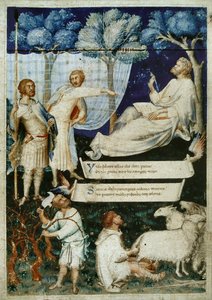
Window

1312. Acrylic On Canvas.

Obr. 1. Simone Martini, Window, 1312. Zobrazeno jako vámi zvolená reprodukce: , .

§ 1Katalogová data

§ 2Abstraktní

Popis sbírného předmětu

Simone Martini’s ‘Window,’ created in 1312, exemplifies the elegance of Early Gothic style. This fresco showcases vibrant colors and detailed depictions of people and animals within a stunning stained glass composition. Located at Pinacoteca Nazionale Siena, it's a captivating glimpse into medieval artistry. Discover museum-quality reproductions on AllPaintingsStore.

Biografie umělce

Simone Martini: Sienský mistr elegance a grácie! Jeho díla z období gotiky – jako 'Maestá' – spojují náboženské motivy s dvorní noblesou a nádhernými detaily.

§ 3Komentář

Simone Martini’s Window: A Fragment of Siena’s Gothic Soul

The painting “Window” by Simone Martini—a masterpiece executed in 1312—isn't merely an image; it’s a portal into the artistic fervor and spiritual contemplation of Siena during its zenith as a medieval principality. More than just depicting a simple architectural element, Martini transforms this commonplace feature into a vehicle for profound symbolism and masterful execution, embodying the very essence of International Gothic style. Its unassuming appearance belies the intricate artistry that defines it.
  • Subject Matter: The composition centers around a stained glass window—a motif prevalent in Sienese churches at the time—illuminated by diffused light. Within its frame are meticulously rendered figures, including human forms and avian creatures – doves symbolizing peace and divine grace – creating a harmonious blend of earthly and celestial realms.
  • Style: Martini’s work exemplifies International Gothic style, characterized by delicate lines, luminous colors, and an emphasis on elegance and refinement. Unlike the harsher realism championed by Giotto di Bondone, Martini prioritizes beauty and expressive detail, prioritizing visual impact over strict anatomical accuracy. This stylistic choice reflects Siena's cultural aspirations during a period marked by papal patronage and artistic innovation.
  • Technique: Martini employed tempera paint on panel—a technique favored for its vibrancy and durability—allowing him to achieve astonishing levels of color saturation and textural nuance. The artist’s meticulous layering of glaze, combined with painstaking attention to detail in rendering drapery folds and facial expressions, speaks volumes about his dedication to craftmanship.

Historical Context: Siena Under Papal Influence

Siena flourished as a center of papal diplomacy and artistic production during the early 14th century. The papacy actively encouraged artistic endeavors, fostering a competitive environment where artists like Martini sought to elevate their reputations through ambitious commissions—particularly those honoring religious saints. This patronage fueled stylistic experimentation and ensured that Siena’s art would resonate across Europe. Martini's "Window" stands as testament to this era of cultural dynamism and papal ambition.

Symbolism: Light, Faith, and Divine Harmony

The window itself serves as a potent symbol—representing divine illumination and the gateway to spiritual understanding. The doves adorning the composition reinforce this theme, symbolizing purity, peace, and the Holy Spirit’s presence. Martini skillfully integrates these visual cues into a carefully balanced composition that reflects Siena's devout Catholic faith. The artist’s deliberate use of color—particularly blues and golds—further enhances the painting’s spiritual aura, conveying grandeur and transcendence.

Emotional Impact: A Moment Frozen in Time

“Window” transcends mere representation; it evokes a feeling of serene contemplation and wonder. Martini's masterful rendering captures not only the visual beauty of the stained glass but also its emotional resonance—a reflection of Siena’s artistic spirit and its unwavering belief in divine grace. Viewing this artwork is akin to stepping back into a moment frozen in time, allowing oneself to be transported by the artistry and symbolism of a bygone era. It remains an enduring emblem of Gothic elegance and a captivating glimpse into the soul of medieval Siena.

Otázky a odpovědi

Jsou barvy díla „Window“ od Simone Martini syté, nebo tlumené?

Dílo „Window“ od Simone Martini je zachyceno s Muted saturací.

K kterému uměleckému směru patří „Window“ od Simone Martini?

„Window“ je dílo z období International Gothic Style. Tento směr představuje uměleckou tradici, jejíž je dílo součástí.

Jaká barevná paleta je u díla "Window" použita?

Barvy díla „Window“ tvoří Earthy paletu. Tato klasifikace popisuje dominantní barevné skupiny.
§ 4Autor díla

Simone Martini

Simone Martini

1284 - 1344, Itálie

Rychlé informace o umělci Simone Martini

  • Artistic Movement Or Style: Mezinárodní gotika
  • Artists Or Movements Influenced By This Artist: ['Mezinárodní gotika']
  • Artists Who Influenced This Artist:
    • Duccio di Buoninsegna
    • Giotto di Bondone
  • Date Of Birth: c. 1284
  • Date Of Death: 1344
  • Full Name: Simone Martini
  • Nationality: Italština
  • Notable Artworks:
    • Annunciace
    • Maestà
    • St. Louis
  • Place Of Birth: Siena, Itálie

Biografie umělce

A Sienese Master of Elegance and Grace

Simone Martini, born around 1284 in the heart of Siena, Italy, stands as a pivotal figure in the transition from medieval to Renaissance art. He wasn’t merely a painter; he was an architect of elegance, a master of line and color who infused his works with a courtly refinement that distinguished him from contemporaries like Giotto. While historical accounts vary regarding his early training—some suggest apprenticeship under Duccio di Buoninsegna, the leading Sienese artist of the time, while others point to Florence and the influence of Giotto—Martini undeniably forged a unique artistic path. His brother-in-law, Lippo Memmi, was also an artist with whom he frequently collaborated, further enriching the vibrant artistic landscape of Siena. The city itself played a crucial role in shaping Martini’s aesthetic; Siena, a thriving center of commerce and culture, fostered an environment where art flourished, blending religious devotion with worldly sophistication.

The Flourishing of International Gothic

Martini's style is immediately recognizable for its departure from the more monumental forms favored in Florence. He embraced a delicate sensibility, characterized by flowing lines, soft decorative details, and an overall sense of grace. This aesthetic wasn’t born in isolation; it was profoundly influenced by external forces. The Via Francigena, a major pilgrimage route traversing Europe, brought with it artistic currents from France—particularly the refined elegance of French manuscript illumination and ivory carving. These influences are readily apparent in Martini's work, manifesting as intricate patterns, elongated figures, and a heightened attention to surface ornamentation. He didn’t simply copy these styles; he synthesized them with existing Sienese traditions, creating something entirely new. His paintings weren’t merely representations of religious scenes but rather elegant narratives imbued with emotional depth and visual poetry.

From Siena to Avignon: A Courtly Appointment

Martini's reputation extended beyond the borders of Italy, leading to a significant turning point in his career. In 1336, he accepted a commission from Pope Benedict XII to create frescoes for the Papal Palace in Avignon, France—a move that placed him at the heart of European power and patronage. This appointment wasn’t merely about artistic skill; it was a testament to Martini's ability to cater to the tastes of a sophisticated courtly audience. While in Avignon, he entered into a remarkable intellectual circle, befriending Francesco Petrarca—better known as Petrarch, the renowned humanist poet. The connection with Petrarch is particularly poignant, as Vasari and other sources suggest that Martini painted a portrait of Laura de Noves, Petrarch’s lifelong muse. Though the portrait itself is lost to time, its very existence speaks volumes about Martini's status as a celebrated artist capable of capturing not only physical likeness but also the essence of beauty and inspiration. The Annunciation with St. Margaret and St. Ansanus, created during his time in Florence before moving to Avignon, is a testament to this period, showcasing delicate beauty and refined aesthetic.

Major Works and Techniques

Martini’s artistic output spanned a wide range of subjects and formats, reflecting his versatility and mastery of technique. His most celebrated works include the *Maestà* fresco in the Palazzo Pubblico, Siena—a monumental depiction of the Virgin Mary with the Child and a host of saints that exemplifies the International Gothic style; the *Annunciation* triptych for the Siena Cathedral, renowned for its exquisite detail and emotional intensity; and the equestrian portrait of Guidoriccio da Fogliano, a powerful symbol of Sienese civic pride. Martini’s technical skill was equally impressive, characterized by his mastery of color, line, and perspective—elements that he skillfully combined to create works of breathtaking beauty and visual impact. His use of gold leaf, vibrant pigments, and intricate decorative details contributed significantly to the opulent and luxurious aesthetic of his paintings.

Legacy and Enduring Influence

Simone Martini’s impact on the development of European art cannot be overstated. He played a crucial role in disseminating the International Gothic style—a movement characterized by its elegance, refinement, and emphasis on decorative detail—across the continent. His influence extended to generations of artists who followed, shaping the course of late medieval and early Renaissance painting. Martini’s work wasn’t simply about technical skill; it was about creating a visual language that resonated with the sensibilities of his time—a language of beauty, grace, and spiritual devotion. Even today, his paintings continue to captivate viewers with their exquisite detail, harmonious compositions, and enduring sense of elegance. His frescoes in San Francesco d’Assisi demonstrate his mastery of large-scale decorative painting, while works like the Saint Catherine of Alexandria Polyptych showcase his unparalleled command of color and form. Simone Martini died in Avignon in 1344, leaving behind a legacy that continues to inspire awe and admiration centuries later—a testament to the enduring power of art to transcend time and touch the human spirit.

§ 5Podobná díla

§ 6Otázky

Rychlé informace

  • Location: Pinacoteca Nazionale, Siena
  • Title: Window
  • Medium: Fresco
  • Artist: Simone Martini
  • Notable elements or techniques: Detailed depiction of figures and birds

Artový kvíz

U každé otázky je pouze jedna správná odpověď.

Otázka 1:
What artistic style is Simone Martini’s ‘Window’ primarily associated with?
Otázka 2:
The image depicts a stained glass window featuring figures including people and animals. What is the significance of these depictions within the context of medieval art?
Otázka 3:
Simone Martini collaborated extensively with Lippo Memmi. What was their role in the artistic landscape of Siena?
Otázka 4:
According to Giorgio Vasari, Simone Martini's artistic training involved studying under which influential artist?
Otázka 5:
The window’s intricate design and vibrant colors exemplify a characteristic feature of the International Gothic style. What distinguishes this style from earlier medieval artistic traditions?

§ 7Citovat tento záznam

AllPaintingsStore.com, “Simone Martini, Window (1312)”, https://allpaintingsstore.com/cs/art/simone-martini-window-8Y3HTV-en/ (dne 7 říjen 2026 zkontolováno).

§ 8Reprodukce díla

Ručně malovaná olejová reprodukce

Rukou malované olejné plátno v libovolném rozměru i s rámem, vyrobené našimi umělci na zakázku. ( Přepnout na tisk Přepnout na digitální obraz)

Je uvedeno na okraji objednávkového listu; aktuální stav tohoto listu zní následovně.

Window

Technika reprodukce

Rozměry reprodukce

-

Vybraní mistři umění

Vyšší míra detailu, jemnosti a delší doba výroby

-

Možnosti rámování reprodukcí

-

-

U děl nebo reprodukcí, u nichž je jakákoliv strana větší než 105 cm (přibližně 41 palců), bude rám dodán jako sestava v rozloženém stavu. Tato metoda zajišťuje bezpečné doručení a chrání dílo před poškozením během přepravy.

Vyžaduje se odborná montáž – nejedná se o produkt pro svépomocnou realizaci (DIY).
Sestava musí být složena a plátno napnuto zkušeným profesionálním rámovačem s použitím dřevěného lepidla (není součástí balení), kleští na napínání plátna a svorek pro udržení pravých úhlů křížů během schnutí lepidla. Nesprávná montáž nebo nerovnoměrné napnutí plátna může způsobit trvalé poškození uměleckého díla, které není kryto naší zárukou.

  • Jsou zahrnuty všechny lišty z masivního dřeva, přesně na míru nařezané.

  • Sestavuje se pomocí součástí balení (šroubů), plus dřevěného lepidla na rohové spoje, které není součástí balení a musí jej zajistit váš rámovač.

  • Vyžaduje se profesionální nářadí, které není součástí sady: kleště na napínání plátna a svorky pro udržení kolmosti příček během schnutí lepidla.

Důležité:
Spoje v rozích vyžadují lepidlo na dřevo, tyčinky musí být přichyceny pomocí svorek, dokud lepidlo zcela neuschne, a pro napnutí plátna na sestavený rám je zapotřebí kleští na natahování plátna. Žádný z těchto náčiní není součástí sady. Před objednáním této velikosti prosím zajistěte zkušeného profesionálního rámovače.

Popisek díla

-

-

Ochranný lak

Lesklý lak (zvýrazňuje barvy, chrání před světlem a vlhkostí)

-

Přizpůsobit své umělecké dílo

Příklady možných úprav: nahrazení obličeje fotografií zákazníka; přidání domácího mazlíčka (např. výměna kočky za psa); vložení skrytého vzkazu do pozadí; změna krajiny nebo prvků v pozadí.

-

Prioritní doručení

Celosvětové doručení () za 3–4 týdny namísto standardních 5 týdnů. (4 listopad). Bez kompromisů v kvalitě.

-

Expresní doručení

Celosvětová doprava () do 5 týdnů. (11 listopad).

V ceně

Celková cena za vybrané možnosti reprodukcí

Kč 5594

Součást každé objednávky

  • Zdarma celosvětová expresní doprava
  • Vysoce kvalitní lněné plátno
  • Kompletní pojištění přepravy
  • Záruka vrácení celního poplatku
  • Záruka věrného barevného souladu
  • 100dení lhůta pro vrácení zboží (pouze při vadách výroby)
  • 100% záruka vrácení peněz
  • Sleva při více objednávkách
Objednávací formulář