

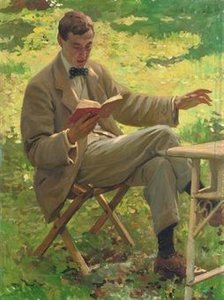
1898. Acrylic On Canvas, 46.0 x 36.0 cm. Bristol Museum - Art Gallery.

§ 1Katalogová data

- 46.0 x 36.0 cm


Toto umělecké dílo je chráněno autorským právem
Umělecké dílo zobrazené na této stránce je chráněno autorským zákonem, což znamená, že nemůžeme legálně vytvářet ani prodávat jeho identickou reprodukci. Tato ochrana je vymáhána na základě mezinárodních dohod, jako například Berberská úmluva a národními zákony, včetně těch stanovených v Americký autorský zákon – Díl 17. Všechna práva vyhrazena.
Jako etická a právní alternativa nabízíme vlastní, ručně malovaná umělecká díla inspirovaná originálem. Naši zdatní a profesionální umělci si pečlivě studují styl, náladu a uměleckou podstatu originálu, aby vytvořili nové, jedinečné dílo, které vyvolává stejný pocit – přičemž zůstává samostatným originálním tvůrčím dílem.
Tato metoda je plně v souladu s autorským právem, protože nezahrnuje kopírování ani duplikování chráněného díla. Jde o kreativní reinterpretaci – nový obraz, který je inspirován originálem, ale není s ním identický.
 Více informací
§ 2Abstraktní
Popis sbírného předmětu
Stranded by Sir Alfred James Munnings captures two children rowing on tranquil waters amidst birds and a parked car – an Impressionistic glimpse into rural Britain's fading traditions.
Biografie umělce
Sir Alfred Munnings (1878-1959): Britský malíř, známý svými nádhernými obrazy koní a venkovského života. Obdivuje tradici a zachycuje atmosféru Anglie.
§ 3Komentář
Stranded by Sir Alfred James Munnings
Sir Alfred James Munnings (1878–1959), P.R.A., R.W.S., stands as one of England’s most celebrated interpreters of the equine world and the romantic spirit of rural Britain—a legacy inextricably linked to canvases brimming with vibrant depictions of horses and landscapes steeped in tradition. Born amidst the rolling hills of Suffolk, Munnings's life was profoundly shaped by an enduring fascination for equestrian pursuits; this passion would not merely inform his artistic vision but propel him to international acclaim as a painter whose work captured the essence of a disappearing era. From Humble Beginnings to Artistic RecognitionMunnings’s artistic journey commenced not within the formal corridors of academic institutions, but rather in the practical crucible of Norwich Printing House—a formative apprenticeship that honed his observational skills and simultaneously afforded him invaluable experience in design and craftsmanship. This early exposure instilled in him a meticulous attention to detail and an unwavering commitment to capturing the immediacy of visual perception—qualities that would prove crucial to his subsequent artistic endeavors. The loss of sight in his right eye during an accident in 1898 served as a poignant reminder of life’s fragility, yet it did not deter Munnings' determination to pursue his artistic ambitions with unwavering resolve. The Newlyn School and Impressionistic VisionMunnings’s artistic development gained momentum through association with the Newlyn School of Artists—a collective of painters who championed Impressionism and sought to convey fleeting moments of beauty and emotion on canvas. Under the tutelage of luminaries like Frank Cormack and George Tasker Galleries, Munnings honed his technique in plein air painting—capturing landscapes and subjects directly from nature—embracing the revolutionary principles of Impressionism that prioritized capturing light and color as perceived by the eye rather than adhering to strict representational conventions. This stylistic choice would become a hallmark of Munnings’s oeuvre, establishing him as a pioneer of modern British art. A Masterpiece of Rural Tranquility“Stranded,” completed in 1898, exemplifies Munnings' mastery of Impressionistic technique and his ability to evoke profound emotional resonance. Executed on canvas with meticulous brushstrokes—a hallmark of Munnings’s style—the painting depicts two children seated within a boat upon tranquil waters, their hands firmly gripping oars as they propel the vessel forward. The composition is subtly enriched by the presence of two birds soaring gracefully above the scene—one positioned near the upper left corner and another traversing the mid-right expanse—adding layers of visual interest and suggesting an atmosphere of serene contemplation. Furthermore, a parked automobile occupies the shoreline behind the boat, accompanied by a bench—elements that contribute to the painting’s depiction of rural England at the turn of the century. A Reflection of Victorian Era ValuesMunnings's artistic vision was deeply rooted in the values of the Victorian era—a period characterized by moral earnestness, social responsibility, and an abiding reverence for tradition. Like many artists of his time, Munnings sought to portray the beauty of the natural world while simultaneously conveying a sense of human dignity and compassion—themes that resonated powerfully with audiences eager to engage with art as a vehicle for spiritual contemplation. “Stranded” embodies these ideals through its depiction of childhood innocence and resilience amidst the backdrop of a picturesque landscape—a testament to Munnings’s enduring legacy as one of Britain's most beloved painters. The Painting's Symbolism and Emotional Impact“Stranded,” beyond its technical brilliance, carries significant symbolic weight—reflecting Munnings’s fascination with themes of solitude, perseverance, and the transformative power of nature. The boat itself serves as a metaphor for embarking on life’s journey—a voyage fraught with challenges yet imbued with the promise of discovery—while the oars symbolize effort and determination—essential qualities for overcoming obstacles and achieving one's goals. The birds overhead represent freedom and aspiration—suggesting that even in moments of difficulty, there remains an opportunity to soar above adversity and embrace a brighter horizon. Ultimately, “Stranded” invites viewers to contemplate the beauty of simplicity and the importance of maintaining connection with the natural world—a timeless message conveyed with exquisite artistry and unwavering conviction. ## Additional Research: The painting’s provenance traces back to Dame Janet Stancomb-Wills (1865–1947), a prominent philanthropist and supporter of the arts who bequeathed “Stranded” to Bristol Museums, Galleries & Archives in 1933—a testament to its enduring artistic merit and its significance within British art history. Its inclusion in the museum’s permanent collection underscores its status as a masterpiece of Impressionistic landscape painting—a work that continues to captivate audiences with its evocative depiction of rural England and its masterful execution of Munnings' distinctive style. Bristol Museum & Art Gallery, located at Queens Road, Bristol BS8 1RL England, houses an impressive assemblage of artworks spanning centuries—ranging from Prehistoric art to Contemporary creations. Visitors can immerse themselves in diverse artistic traditions and explore the evolution of visual culture throughout history—a rewarding experience for anyone interested in broadening their understanding of art’s role in shaping human civilization. The museum's commitment to preserving and disseminating cultural heritage ensures that Munnings’s “Stranded”—and countless other treasures—remain accessible to future generations.Otázky a odpovědi
Jaký emocionální náboj nese dílo „Stranded“ od Alfred Munnings?
„Stranded“ od Alfred Munnings vyzařuje Melancholic emocionální náboj.
Jaký je formát a rozměr díla "Stranded"?
Dílo „Stranded“ od Alfred Munnings je v formátu Portrait o rozměrech 46 x 36 cm.
Jaké místo v tvorbě umělce Alfred Munnings zaujímá dílo "Stranded"?
„Stranded“ patří k dílu Alfred Munnings v rámci směru Impressionistic Painting, jehož typická témata zahrnují equine grace, rural tradition, british sporting art, hunting scenes, iconic munnings style.


 Přepnout na tisk


 U děl nebo reprodukcí, u nichž je jakákoliv strana větší než 105 cm (přibližně 41 palců), bude rám dodán jako sestava v rozloženém stavu. Tato metoda zajišťuje bezpečné doručení a chrání dílo před poškozením během přepravy.


