


 Náhled
 Sdílet
 Sdílet
 Podrobnosti o díle

 Stáhnout
 Podobné položky
 Rentgenové snímky
 Slideshow
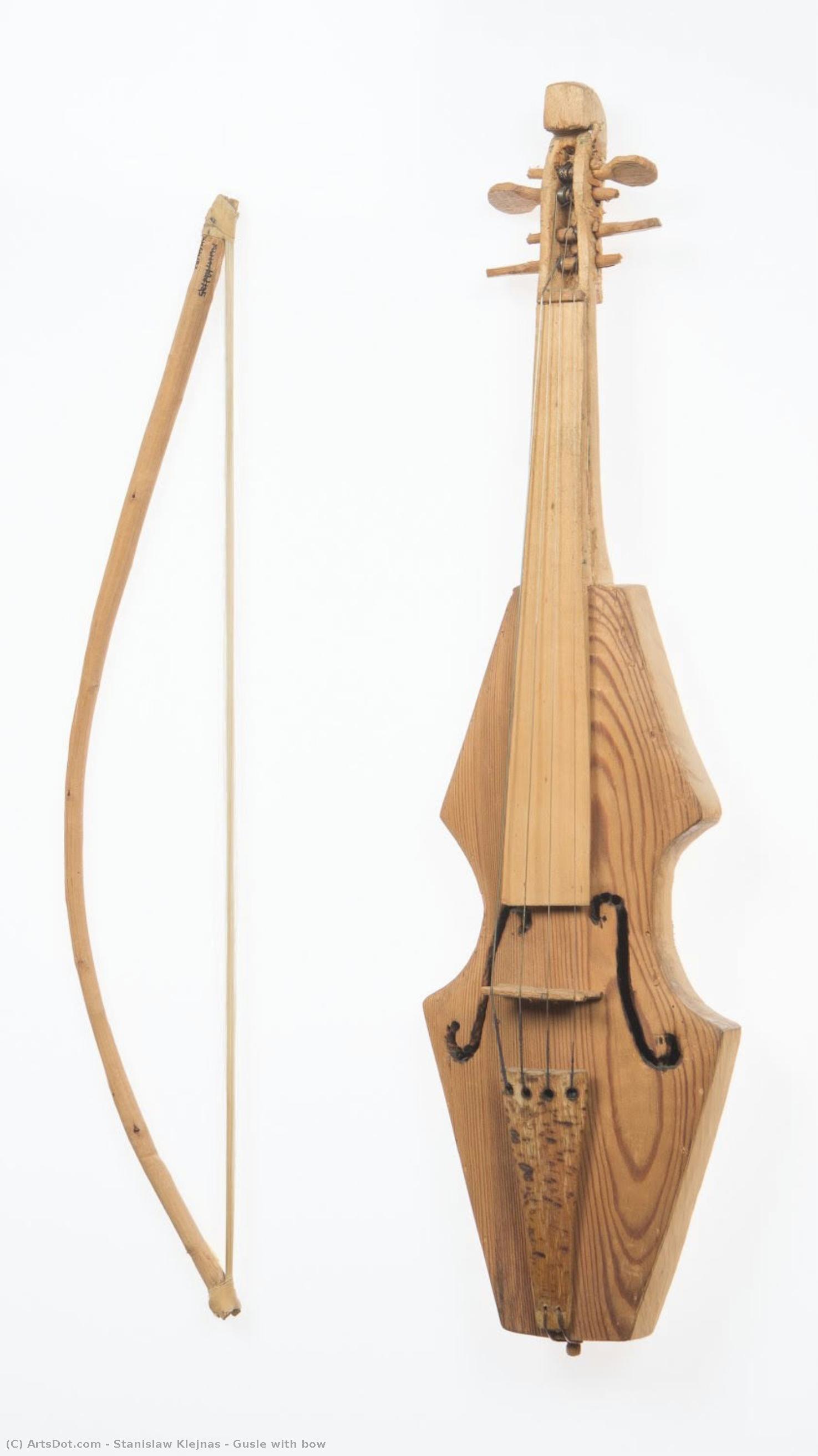
Gusle with bow


 Zobrazit více
Giclée / Umělecký tisk
Giclée nebo plátěný tisk muzeální kvality s rychlou výrobou a flexibilními možnostmi povrchové úpravy. ( Přepnout na ručně malovanou reprodukci Přepnout na obrázek)




































Vyberte si z našich přednastavených velikostí, které odpovídají původním proporcím díla.

Můžete zadat vlastní rozměry tak, aby výtvor odpovídal konkrétnímu rámu nebo prostoru. Pokud zvolená velikost nebude odpovídat poměru stran původního obrazu, dílo buď ořížeme, nebo obraz rozšíříme pomocí zrcadlového efektu či jednobarevného okraje. Před zahájením výroby vám bude zaslán digitální náhled k schválení.
Mějte prosím na paměti, že náhled na obrazovce neodráží skutečné oříznutí nebo rozšíření. Pouze digitální náhled přesně zobrazí finální kompozici.
Ačkoliv jsou k dispozici i vlastní rozměry, pro zachování původních proporcí doporučujeme vybrat si rozměr z předdefinovaného seznamu.
Celosvětové doručení () do 2 týdnů namísto standardních 4/5 týdnů. (5 srpen)

Zdarma celosvětová expresní doprava

Vysoce kvalitní lněné plátno

Kompletní přepravní pojištění

Záruka vrácení celního poplatku

Záruka přesného barevného shodu

60denní lhůta pro vrácení zboží (pouze při vadách výroby)

100% garance vrácení peněz

Sleva při hromadné objednávce
 Skleněná varianta je dostupná pouze u rozměrů menších než 110 cm

Gusle with bow
Giclée / Umělecký tisk
Rozměry reprodukce
-


Celková cena za výběr
$ 64
Biografie umělce
Stanisław Klejnas: A Voice of Polish Folklore
Stanisław Klejnas, born in Radziejowice, Poland in 1902, was more than just a musician; he was a living embodiment of Polish folk tradition. His life’s work centered around preserving and performing the rich tapestry of *gawędziarz* storytelling – a unique art form deeply rooted in oral history, music, and dance – alongside his masterful violin playing. Klejnas's journey began within a family steeped in musical heritage and pastoral life, fostering an early connection to both the strings of the violin and the rhythms of rural Poland. This upbringing profoundly shaped his artistic trajectory, providing him with an intimate understanding of the cultural landscape he would later champion.Early Life and Musical Training
Klejnas’s childhood was immersed in the traditions of his family – musicians and shepherds alike. He began learning to play the violin at a young age, quickly demonstrating a natural talent that propelled him beyond the confines of his village. Recognizing his potential, he pursued formal musical training, honing his skills through dedicated practice and performance. However, Klejnas’s true passion lay not in concert halls but in connecting with audiences through the authentic expressions of Polish folk music. He embarked on extensive travels throughout Poland and abroad, captivating listeners at festivals and competitions with his remarkable repertoire and technical proficiency.The Art of Gawędziarz
Klejnas’s contribution to Polish culture extends far beyond simply playing the violin; he was a skilled *gawędziarz*, a storyteller who wove together historical narratives, legends, and folklore into captivating performances. This art form is characterized by its improvisational nature, blending music, song, dance, and spoken word to create an immersive experience for the audience. Klejnas’s ability to seamlessly integrate these elements – often accompanied by instruments like the gusle (a Ukrainian shepherd's flute), a single-skin drum, and other traditional instruments – transformed him into a vital link to Poland’s past. He wasn’t merely reciting stories; he was breathing life back into them, ensuring their survival for future generations.Recognition and Legacy
Klejnas's dedication to preserving Polish folk music earned him significant recognition throughout his career. In 1977, he received the prestigious Kolberg Prize, a national award acknowledging his invaluable contributions to Polish musical heritage. This honor underscored the profound impact of his work – not just as a musician but as a cultural custodian. His performances were frequently sought after for social gatherings and events, solidifying his position as a beloved figure within the community. Furthermore, research indicates that Klejnas’s paintings, often depicting scenes from Polish folklore, offer another fascinating dimension to his artistic output, showcasing his deep connection to the visual arts alongside music.Notable Works and Influence
Klejnas's repertoire encompassed a vast collection of traditional songs, dances, and stories, reflecting the diverse regional variations within Poland’s folk traditions. His recordings and performances continue to be studied by ethnomusicologists and folklorists, providing invaluable insights into the evolution of Polish music and storytelling. His influence can be heard in contemporary artists who seek to revitalize and reinterpret traditional forms. The images of Klejnas performing with instruments like the gusle, flute, and single-skin drum are iconic representations of Polish cultural heritage, reminding us of the power of oral tradition and musical expression. His work serves as a testament to the enduring spirit of Poland’s folk music and its ability to connect people across generations.
stanislaw klejnas
1902 - 1988 , Poland
Rychlé fakta
- Artistic Movement Or Style: Folk musician
- Date Of Birth: 1902
- Date Of Death: 1988
- Full Name: Stanisław Klejnas
- Nationality: Polish
- Notable Artworks:
- Gusle with bow
- Flute
- Single- skin drum
- Place Of Birth: Radziejowice, Poland



