


 Zobrazit v interiéru
 Odeslat
 Sdílet
 Podrobnosti
 Průvodce

 Stáhnout obrázek
 Podobné kousky
 Rentgenové snímky
 Slideshow
 Statistiky
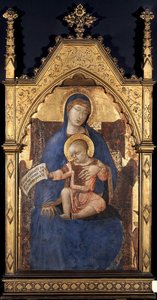
Madonna of Humility with Saints John the Baptist and Andrew; below: Seven Standing Saints
 Sienese School
 1395
1395 185.0 x 186.0 cm
 Szépművészeti Múzeum
 Přečíst si více
Ručně malovaná olejová reprodukce
Ručně malované olejné plátno v libovolném rozměru i s rámem, vyrobené našimi umělci na zakázku. ( Přepnout na tiskové verze Přepnout na digitální verzi obrazu)




P118B $10

P118H $10

P118W $10

P438Z $10

P508JH $12

P508YH $12

P805H $10

P805Z $10

P919BZ $10

P919G $10

P919XJ $10

P959ZH $10

P968JZ $12

W106C $8

W218G $10

W218JH $8

W218Y $10

W307PJ $10

W316G $10

W316PJ $8

W316Y $10

W398PJ $8

W4111J $10

W500HY $15

W500JH $15

W692G $12

W849H $8

W940BG $15

W953PJ $8




Vyberte si z našich přednastavených velikostí, které odpovídají původním proporcím díla.

Můžete zadat vlastní rozměry pro konkrétní rám nebo prostor. Pokud se vámi vybraná velikost neshoduje s proporcemi původního obrazu, dílo buď ořízneme, nebo jej doplníme ručně malovanými prvky. Před zahájením výroby vám bude zaslán digitální náhled ke schválení.
Upozorňujeme, že náhled na obrazovce neodpovídá skutečnému ořezu ani rozšíření. Pouze digitální náhled přesně zobrazí finální kompozici.
Ačkoliv je možné zvolit vlastní velikost, pro zachování původních proporcí doporučujeme vybrat rozměr z předdefinovaného seznamu.
Po přijetí objednávky vám tým AllPaintingsStore.com zašle e-mail s pokyny a poskytne náhledovou verzi.
Celosvětová doprava () za 3–4 týdny namísto standardních 5 týdnů. (21 září). Bez kompromisů v kvalitě.

Zdarma celosvětová expresní doprava

Vysoce kvalitní lněné plátno

Úplné pojištění přepravy

Záruka vrácení celního poplatku

Záruka věrného barevného shodu

100dení lhůta pro vrácení zboží (pouze při vadách výroby)

100% garance vrácení peněz

Sleva při více objednávkách
 Skleněná varianta je dostupná pouze u rozměrů menších než 110 cm

Madonna of Humility with Saints John the Baptist and Andrew; below: Seven Standing Saints
Technika provedení
Velikost reprodukce
-


Celková cena
$ 258
A Divine Embrace: Unveiling Taddeo di Bartolo’s Madonna of Humility
Taddeo di Bartolo's "Madonna of Humility with Saints John the Baptist and Andrew; below: Seven Standing Saints" is more than just a painting; it’s a profound meditation on faith, humility, and the divine feminine. Completed in 1395 during the early Renaissance in Siena, Italy, this tempera-on-panel artwork transcends its physical dimensions to offer a glimpse into the spiritual heart of the era. The piece immediately captivates with its luminous palette – rich golds, deep blues, and earthy reds—creating an atmosphere both serene and intensely devotional. It’s a work that speaks not just to the eye but directly to the soul, inviting contemplation on themes of grace, protection, and the interconnectedness of humanity and the divine.
- Compositional Harmony: The central focus is undeniably Mary, depicted in a pose of gentle authority, cradling the infant Jesus. Her serene expression and graceful posture radiate an aura of maternal love and spiritual wisdom. The arrangement of the surrounding saints—John the Baptist, Andrew, and seven unnamed figures—is meticulously balanced, creating a visual pyramid that draws the viewer’s eye upwards towards the central figure.
- Symbolic Richness: The painting is laden with symbolism. The title itself, "Madonna of Humility," alludes to a specific Marian devotion emphasizing Mary's willingness to accept God’s will without complaint. The presence of seven standing saints below represents the seven virtues – faith, hope, charity, prudence, justice, temperance, and fortitude—further reinforcing the theme of divine grace.
A Window into Sienese Art: The Renaissance in Miniature
Taddeo di Bartolo’s work is a quintessential example of the flourishing artistic scene in Siena during the late 14th century, a period often considered the apex of Sienese painting. Influenced by the legacy of Simone Martini and Ambrogio Lorenzetti—masters who championed elegance, lyricism, and intricate detail—Taddeo skillfully blended these traditions with emerging Renaissance ideals. The use of tempera on panel, a technique favored for its ability to produce vibrant colors and fine details, is particularly evident in the meticulous rendering of fabrics, jewelry, and facial features. The painting’s scale – 185 x 186 cm – suggests it was intended for a prominent religious setting, perhaps a chapel or altar within a wealthy family's home.
Vasari’s “Lives of the Most Excellent Painters” provides valuable insight into Taddeo’s artistic lineage, noting his uncle Domenico di Bartolo as a key influence. This familial connection highlights the importance of patronage and apprenticeship in shaping the careers of artists during this period.The Art of Detail: Technique and Materials
Close examination reveals the remarkable skill of Taddeo’s hand. The drapery, rendered with astonishing realism, flows with a sense of weight and volume, creating a tactile quality that invites the viewer to reach out and touch it. The gold leaf used in the background—a hallmark of Sienese painting—adds an ethereal glow, enhancing the overall sense of divinity. The artist’s mastery of perspective is subtly demonstrated through the careful arrangement of figures and objects, creating a believable illusion of depth within the frame. The use of layering and glazing techniques ensures that the colors remain luminous and vibrant even after centuries of exposure.
- Tempera on Panel: This medium allowed for precise color control and detail work, crucial to Taddeo’s meticulous style.
- Gold Leaf: The extensive use of gold not only adds visual splendor but also symbolizes divine light and wealth.
- Layered Glazes: These techniques created depth and luminosity in the colors, contributing to the painting's rich appearance.
A Legacy Enduring: The Painting’s Significance Today
Currently housed at the Museum of Fine Arts (Budapest, Hungary), “Madonna of Humility” remains a powerful testament to the artistic achievements of the early Renaissance. It serves as a poignant reminder of the enduring appeal of religious art—its ability to inspire faith, evoke emotion, and connect us to centuries of human experience. Reproductions of this masterpiece continue to grace homes and galleries worldwide, offering a tangible connection to a pivotal moment in Western art history. Its serene beauty and profound symbolism ensure that Taddeo di Bartolo’s legacy will endure for generations to come.
Související díla




Biografie umělce
The Dawn of a Sienese Master
In the golden twilight of the Trecento, as the medieval world began to stir toward the light of the Renaissance, Taddeo di Bartolo emerged as a transformative force within the Sienese School. Born in Siena around 1362, Taddeo was not merely a painter but a bridge between eras, a master capable of weaving the delicate, lyrical elegance of the Gothic tradition with a burgeoning sense of structural depth and emotional gravity. His life and work represent the very heartbeat of Siena during a period of profound cultural transition, where the spiritual intensity of religious iconography began to meet a more humanistic observation of the world.
The foundations of his artistry were laid in the fertile workshops of Tuscany, where the air was thick with the legacy of masters like Simone Martini and Ambrogio Lorenzetti. While much of his early training remains shrouded in the mists of history, it is widely believed that he absorbed the sculptural sensibilities of the Pisano lineage, which gifted his paintings a rare sense of tactile presence. This unique lineage allowed him to move beyond the flat, decorative surfaces of his predecessors, introducing a subtle weight and volume to his figures that would captivate both clergy and commoners alike.
A Tapestry of Devotion and Technique
Taddeo’s oeuvre is a magnificent testament to his versatility, ranging from monumental frescoes that breathe life into cathedral walls to intimate altarpieces that invite silent prayer. His mastery of the fresco technique allowed him to command vast architectural spaces, most notably in his breathtaking works within the Cappella Nuova in San Francesco di Assisi. In these large-scale narratives, he utilized an early understanding of atmospheric perspective and light to create illusionistic depths, guiding the viewer's eye through sacred histories with a fluid, cinematic grace.
Beyond the grand scale, his panel paintings reveal a meticulous devotion to detail and a sophisticated use of color. His compositions often feature:
- Luminous Pigments: A palette rich in ultramarine, vermilion, and gold leaf that reflects the divine splendor of his subjects.
- Emotional Resonance: A departure from static iconography toward faces that convey profound sorrow, joy, or contemplative peace.
- Architectural Precision: The use of structured backgrounds to ground holy figures within a tangible, albeit idealized, reality.
In works such as his Virgin and Child with Saints, one can witness the evolution of his hand—moving from the more rigid, ornamental patterns of the late Gothic style toward a more robust and naturalistic approach. This development was not merely a personal triumph but a reflection of the shifting artistic zeitgeist in Italy, where the pursuit of beauty became increasingly intertwined with the pursuit of truth.
Legacy and Historical Significance
The historical significance of Taddeo di Bartolo lies in his role as a custodian of Sienese identity during a period of immense change. As the Renaissance began to shift its center of gravity toward Florence, Taddeo ensured that Siena maintained its distinct, sophisticated voice—one characterized by grace, decorative splendor, and a deep, spiritual lyricism. He did not merely imitate the trends of his time; he synthesized them, creating a stylistic language that felt both ancient and remarkably modern.
His influence echoed through the workshops of his successors, providing a blueprint for how religious narrative could be rendered with both monumental scale and delicate intimacy. Today, as we gaze upon his surviving works in collections spanning from Siena to Budapest, we see more than just relics of the 14th century; we see the enduring spirit of an artist who captured the transition of an age. Taddeo di Bartolo remains a cornerstone of the Sienese Renaissance, a painter whose brushstrokes continue to illuminate the profound intersection of the human and the divine.

Taddeo di Bartolo
1362 - 1422 , Italy
Rychlé informace
- Artistic Movement Or Style: Early Renaissance
- Artists Or Movements Influenced By This Artist: ['Gothic Art']
- Artists Who Influenced This Artist:
- Simone Martini
- Ambrogio Lorenzetti
- Date Of Birth: 1362
- Date Of Death: 1422
- Full Name: Taddeo di Bartolo
- Nationality: Italian
- Notable Artworks:
- Madonna of Humility with Saints John the Baptist and Andrew
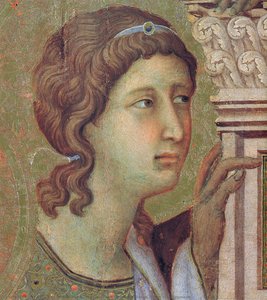
- Head of an Angel in Full Face
- Christ and the Twelve Apostles
- Place Of Birth: Siena, Italy
Související články
Rafael: 25 mistrovských děl renesance pro váš domov | AllPaintingsStore.cz
Objevte 25 ikonických děl Raffaela – od Sixtinské madony po Atény školu. Ponořte se do světa renesance a obdivujte mistrovské obrazy online. Reprodukce obrazů nejvyšší kvality pro váš interiér na AllPaintingsStore.cz.

Top 10 mistrovských děl proto-renesance: Umění, které změnilo svět | AllPaintingsStore.cz
Objevte 10 mistrovských děl proto-renesance – Giotto, Cimabue a další. Ponořte se do umění rané renesance s AllPaintingsStore.cz! Reprodukce obrazů nejvyšší kvality pro váš interiér. Prozkoumejte celou kolekci online.
Giotto di Bondone: Top 25 mistrovských děl renesance pro váš domov | AllPaintingsStore.com
Objevte 25 ikonických děl Giotta di Bondone – průkopníka renesance! Prozkoumejte fresky, náboženské obrazy a mistrovská díla plná emocí. Najděte umělecké reprodukce pro váš interiér na AllPaintingsStore.com.

Top 25 uměleckých děl z Benátské bienále: Inspirace pro váš domov | AllPaintingsStore.com
Prozkoumejte 25 ikonických uměleckých děl z Benátské bienále! Objevte příběhy slavných malířů, techniky a inspiraci pro váš interiér. Reprodukce obrazů v nejvyšší kvalitě na AllPaintingsStore.com.

The Hague School: Realism, Atmosphere & the Dawn of Dutch Impressionism
Explore the Hague School's pivotal role in Dutch art history. Discover realism, atmospheric landscapes & its influence on Impressionism. Learn about key artists like Mauve & Maris with AllPaintingsStore.

