


 Náhled v interiéru
 Sdílet
 Sdílet
 Podrobnosti o díle
 Průvodce

 Stáhnout
 Podobné položky
 Rentgenové snímky
 Slideshow
 Statistiky
Spring
 Oil
Oil- WallArt
- Young Poland
 19th Century
 5.0 x 59.0 cm
 Masovian Museum in Płock
 Zobrazit více
Ručně malovaná olejová reprodukce
Rukou malované olejné plátno v libovolném rozměru i s rámem, vyrobené našimi umělci na zakázku. ( Přepnout na tisk Přepnout na digitální obraz)




P118B Kč10

P118H Kč10

P118W Kč10

P438Z Kč10

P508JH Kč12

P508YH Kč12

P805H Kč10

P805Z Kč10

P919BZ Kč10

P919G Kč10

P919XJ Kč10

P959ZH Kč10

P968JZ Kč12

W106C Kč8

W218G Kč10

W218JH Kč8

W218Y Kč10

W307PJ Kč10

W316G Kč10

W316PJ Kč8

W316Y Kč10

W398PJ Kč8

W4111J Kč10

W500HY Kč15

W500JH Kč15

W692G Kč12

W849H Kč8

W940BG Kč15

W953PJ Kč8




Vyberte si z našich přednastavených velikostí, které odpovídají původním proporcím díla.

Zadejte šířku a výšku, které potřebujete pro váš rám nebo stěnu. Protože se jedná o ruční malbu, při výběru jiného formátu může umělec kolem obrazu domalovat o něco více, nebo jej mírně oříznout — rozhodnete si vy. Před zahájením malby vám zašleme digitální náhled ke schválení. Obraz zobrazený na této stránce neodpovídá skutečnému výsledku — pouze digitální náhled jej zobrazuje.
Po přijetí objednávky vám tým AllPaintingsStore.com zašle e-mail s pokyny a poskytne náhledovou verzi.
Celosvětová doprava () za 3–4 týdny namísto standardních 5 týdnů. (27 říjen). Bez kompromisů v kvalitě.

Zdarma celosvětová expresní doprava

Vysoce kvalitní lněné plátno

Kompletní pojištění přepravy

Záruka vrácení celního poplatku

Záruka věrného barevného souladu

100dení lhůta pro vrácení zboží (pouze při vadách výroby)

100% záruka vrácení peněz

Sleva při více objednávkách
 Skleněná varianta je dostupná pouze u rozměrů menších než 110 cm

Spring
Technika reprodukce
Rozměry reprodukce
-


Celková cena za vybrané možnosti reprodukcí
Kč 5534
A Moment of Introspection: The Radiance of Spring
In the delicate brushstrokes of Teodor Axentowicz’s "Spring," we are invited into a private, sun-drenched sanctuary where time seems to pause. This captivating portrait captures a woman of striking presence, her vibrant red hair and matching hat serving as a brilliant focal point against the soft, natural light of an outdoor setting. As she gazceptively holds a mirror, gazing at her own reflection, the painting transcends mere portraiture to become a profound meditation on identity and self-perception. The composition is masterfully balanced; while the woman remains the emotional heart of the piece, subtle details such as a perched bird in the upper periphery and a quiet arrangement of a vase and book in the lower corner weave a narrative of peaceful coexistence between humanity and the natural world.
The technique employed here speaks to Axentowicz’s rigorous academic training in Munich and Paris. There is a palpable sense of texture in the way light dances across the fabric of her attire and the reflective surface of the mirror, suggesting a mastery of light and shadow that recalls the great masters he once studied. The artist utilizes a palette that celebrates the warmth of a burgeoning season, using luminous tones to evoke the gentle heat of a sunny day. This skillful application of paint creates an atmosphere that is both tactile and ethereal, making the scene feel as though it could be witnessed through a window into another era.
Symbolism and the Spirit of the Era
Beyond its aesthetic beauty, "Spring" carries deep symbolic weight. The mirror, a classic motif in art history, serves as a window into the soul, representing the duality of appearance and essence. In this context, the act of looking inward during the season of rebirth suggests a period of personal renewal and growth. The presence of the bird and the floral elements further reinforces the theme of vitality and the cyclical nature of life. As a key figure in the Young Poland movement, Axentowicz often infused his works with a sense of romanticism and national identity, and here, that spirit manifests as a quiet, introspective joy found in the simple beauty of the outdoors.
For the discerning collector or interior designer, this piece offers more than just visual elegance; it provides an emotional anchor for a room. The painting’s ability to evoke tranquility makes it an ideal centerpiece for spaces designed for contemplation, such as a library, a study, or a serene bedroom. Whether displayed as a high-quality reproduction in a modern gallery setting or integrated into a classical arrangement, "Spring" brings with it an enduring sense of grace and a timeless connection to the beauty of the natural world.
Otázky a odpovědi
Jakou úroveň kontrastu má dílo „Spring“ od Teodor Axentowicz?
Kontrast světla a stínu u díla „Spring“ je klasifikován jako Gentle. Kontrast popisuje, jak výrazně se liší světlé a tmavé oblasti.
Jak harmonické jsou barvy díla „Spring“ od Teodor Axentowicz?
Barevná harmonie díla "Spring" je hodnocena jako Strong Color Unity.
Jakou převládající barvu v sobě nese dílo „Spring“ od Teodor Axentowicz?
Dílo „Spring“ od Teodor Axentowicz je protknuto Ochre to Sepia odstínem.
Podobná díla


Biografie umělce
Teodor Axentowicz: Life and Legacy
Early Life and Education
- Teodor Axentowicz was born on May 13, 1859, in Brașov (then part of Austria-Hungary, now Romania) to a family with Polish-Armenian ancestry.
- He received his initial artistic training at the Academy of Fine Arts in Munich between 1879 and 1882.
- Axentowicz continued his studies in Paris under Carolus-Duran until 1895, a period crucial for developing his style and technique.
Artistic Development and Influences
- During his time in Paris, Axentowicz worked as a copyist, reproducing works by masters like Titian and Botticelli for publications such as *Le Monde Illustré*. This honed his technical skills and deepened his understanding of art history.
- His early travels to London and Rome allowed him to establish himself as a portrait artist.
- He was influenced by the academic tradition, but also began to explore more modern approaches to painting, particularly in his depictions of folk life.
Collaboration on the Racławice Panorama
- In 1894, Axentowicz collaborated with Wojciech Kossak and Jan Styka on the *Racławice Panorama*, a monumental panoramic painting commemorating the Battle of Racławice during the Kościuszko Uprising.
- This project was a significant undertaking in Polish art history and showcased his ability to work on a large scale and contribute to national narratives.
Professor at Kraków Academy & Artistic Focus
- In 1895, Axentowicz moved to Kraków and became a professor at the local Academy of Fine Arts, a position he held until 1934.
- He founded an artistic conservatory for women in 1897, demonstrating his commitment to art education.
- Axentowicz is best known for his portraits and scenes depicting the life of the Hutsul people – a Ukrainian ethnic group inhabiting the Carpathian Mountains.
- His depictions of Hutsul culture are characterized by their sensitivity, realism, and vibrant color palettes. He captured their rituals, customs, and daily lives with remarkable detail.
Membership in Artistic Societies & Recognition
- He was a founding member of the *Sztuka* (Art) society, an important group within the Young Poland movement. Other members included Józef Chełmoński and Jan Stanisławski.
- Axentowicz became Rector of the Academy of Fine Arts in Kraków in 1910.
- He received numerous awards and accolades throughout his career, including gold medals at international exhibitions in Berlin, St. Louis, Munich, London, Venice, and Paris.
Later Life and Historical Significance
- Axentowicz continued to paint and exhibit his work until his death on August 26, 1938, in Kraków.
- His paintings are held in major public collections throughout Poland and private collections worldwide.
- He is remembered as a significant figure in Polish art history, particularly for his contributions to the depiction of folk culture and his role in shaping artistic education in Kraków. His work provides valuable insights into the lives and traditions of the Hutsul people during a period of cultural change.

Teodor Axentowicz
1859 - 1938 , Romania
Rychlé informace o umělci
- Name: Teodor Axentowicz
- Movement: Young Poland
- Birth Date: 1859-05-13
- Death Date: 1938-08-26
- Birth Place: Brașov, Romania
- Nationality: Polish-Armenian
- Date Of Birth: 1859
- Date Of Death: 1938
- Influenced By: Carolus-Duran
- Notable Works:
- Racławice Panorama (collaboration)
- Scenes of Hutsul life
- Portraits
- Place Of Birth: Brașov, Romania
Související články

Crimson Threads of Narrative: Exploring Symbolism & Representation in Artworks Featuring the Red Dress
Explore the rich symbolism of the red dress in art history! From ancient power displays to iconic portraits like Cézanne’s 'Madame Cezanne', discover the cultural and artistic significance behind this captivating color. Expert analysis & insights.

Mark Rothko: Top 25 děl mistra barev a emocí | AllPaintingsStore.cz
Prozkoumejte 25 ikonických děl Marka Rothka, mistra abstraktního expresionismu. Objevte příběhy za jeho barevnými plátny a emoce v umění. Reprodukce obrazů nejvyšší kvality na AllPaintingsStore.com.
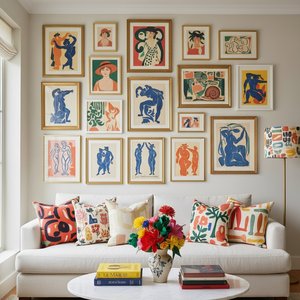
Henri Matisse: Top 25 děl mistra barev a dekorace pro váš domov | AllPaintingsStore.com
Prozkoumejte 25 ikonických děl Henri Matisse – mistra barev a fauvismu. Objevte příběhy za slavnými obrazy, techniky a inspiraci pro váš interiér. Reprodukce obrazů nejvyšší kvality na AllPaintingsStore.com.

Top 10 uměleckých děl pro hluboký pocit klidu | AllPaintingsStore.cz
Objevte 10 ikonických uměleckých děl, které vyvolávají hluboký klid a relaxaci. Claude Monet, Van Gogh a další mistři. Najděte inspiraci pro váš interiér s reprodukcemi obrazů nejvyšší kvality na AllPaintingsStore.cz! Prozkoumejte celou sbírku online.

Top 10 uměleckých děl o klidu a harmonii | AllPaintingsStore.cz
Objevte 10 ikonických uměleckých děl, které ztělesňují klid a harmonii. Prozkoumejte příběhy Moneta, Van Gogha a dalších mistrů. Najděte inspiraci pro váš domov s reprodukcemi nejvyšší kvality na AllPaintingsStore.com

