


 Náhled v interiéru
 Sdílet
 Sdílet
 Podrobnosti o díle
 Průvodce

 Stáhnout
 Podobné položky
 Rentgenové snímky
 Slideshow
 Statistiky
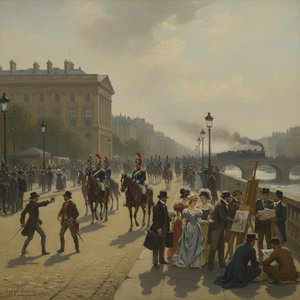
Jízda bez koně
 Akryl na plátně
- Obrazová tvorba na stěnu
- Romantic Painting
 1817
1817 45.0 x 60.0 cm
 Louvr
Louvr
 Zobrazit více
Ručně malovaná olejová reprodukce
Rukou malované olejné plátno v libovolném rozměru i s rámem, vyrobené našimi umělci na zakázku. ( Přepnout na tisk Přepnout na digitální obraz)




P118B Kč10

P118H Kč10

P118W Kč10

P438Z Kč10

P508JH Kč12

P508YH Kč12

P805H Kč10

P805Z Kč10

P919BZ Kč10

P919G Kč10

P919XJ Kč10

P959ZH Kč10

P968JZ Kč12

W106C Kč8

W218G Kč10

W218JH Kč8

W218Y Kč10

W307PJ Kč10

W316G Kč10

W316PJ Kč8

W316Y Kč10

W398PJ Kč8

W4111J Kč10

W500HY Kč15

W500JH Kč15

W692G Kč12

W849H Kč8

W940BG Kč15

W953PJ Kč8




Vyberte si z našich přednastavených velikostí, které odpovídají původním proporcím díla.

Zadejte šířku a výšku, které potřebujete pro váš rám nebo stěnu. Protože se jedná o ruční malbu, při výběru jiného formátu může umělec kolem obrazu domalovat o něco více, nebo jej mírně oříznout — rozhodnete si vy. Před zahájením malby vám zašleme digitální náhled ke schválení. Obraz zobrazený na této stránce neodpovídá skutečnému výsledku — pouze digitální náhled jej zobrazuje.
Po přijetí objednávky vám tým AllPaintingsStore.com zašle e-mail s pokyny a poskytne náhledovou verzi.
Celosvětová doprava () za 3–4 týdny namísto standardních 5 týdnů. (28 říjen). Bez kompromisů v kvalitě.

Zdarma celosvětová expresní doprava

Vysoce kvalitní lněné plátno

Kompletní pojištění přepravy

Záruka vrácení celního poplatku

Záruka věrného barevného souladu

100dení lhůta pro vrácení zboží (pouze při vadách výroby)

100% záruka vrácení peněz

Sleva při více objednávkách
 Skleněná varianta je dostupná pouze u rozměrů menších než 110 cm

Jízda bez koně
Technika reprodukce
Rozměry reprodukce
-


Celková cena za vybrané možnosti reprodukcí
Kč 5555
Žár Romantiky: Výstavní dílo Théodore Géricaulta – „Jízda bez jezdců“
Jean-Louis André Théodore Géricault (1791–1824) byl francouzský malíř a grafik, jehož nejznámější obraz je „Jízda bez jezdců“ („La Jeune Mariée“) – dílo, které vyjadřuje podstatu romantického umění doby. Přestože zemřel mladý, byl jedním z pionýrů romantismu, což dokazuje jeho mimořádný talent a schopnost vyprávět příběhy prostřednictvím obrazu.
- Pozadí Uměleckého Pohledu: Géricaultův život byl poznamenán revolucemi a osobním hledáním. Jeho vzdělání pod vedením Carle Verneta, mistra anglického sportovního výtvarného umění, ho naučilo anatomii a pohyb – prvky zásadní pro jeho tvorbu, zejména při zobrazování koní.
- Klasická Inspirace: Studiem klasické kompozice u Pierre-Narcisse Guérina získal základ pro vytvoření monumentálních obrazů, ale jeho vášnivá povaha ho vedla k nezávislému vzdělávání v Louvru, kde pozoroval díla velikánů evropského umění.
- „Jízda bez jezdců“ – Detailní Zobrazení Dynamiky: Obraz zachycuje skupinu lidí jezdících koněmi během závodu nebo soutěže. Výrazné pozorovací oko Géricaulta se projeví v pečlivém zpracování pohybu jednotlivých postav a koní, což vytváří intenzivní atmosféru napětí a emocí.
Význam obrazu „Jízda bez jezdců“ přesahuje pouhé estetické zážitky. Géricault chtěl vyjádřit bolest a zoufalství lidské bytosti, což lze pozorovat v dramatických gestách postav a jejich výrazových očích. Tento obraz byl vytvořen za podpory největších evropských umělců té doby – Antoine Jean Gros, Henry Fuseli a další – kteří byli inspirováni podobnými motivy.
- Technika Malování: Géricault používal olejovou techniku na velké plátno, což umožňovalo vytvořit bohaté barvy a dramatické světelné efekty. Jeho pečlivá pozornost k anatomii koní byla výsledkem hodinové práce a studií anatomických preparátů.
- Symbolika Obrazu: „Jízda bez jezdců“ není jen obraz závodu; je to alegorie života, smrti a bolesti – témat typickým pro romantické umění. Použití kontrastních světel a odstínů podtrhuje dramatický efekt díla a vyjadřuje emocionální intenzitu.
„Jízda bez jezdců“ zůstává ikonou romantického umění, která inspiruje umělce i dnes. Dílo Géricaulta je důkazem jeho nezlomného ducha a schopnosti vyprávět příběhy prostřednictvím obrazu – příběh bolesti, zoufalství a zároveň naděje.
Otázky a odpovědi
Jaká témata se objevují v díle „Jízda bez koně“ od Théodore Géricault?
Témata obsažená v díle „Jízda bez koně“ od Théodore Géricault zahrnují horse race, painting, romanticism, french art, genre scene, classical composition, dramatic artwork. Tato témata společně shrnují obsah celého uměleckého díla.
O jaký typ uměleckého díla se jedná u „Jízda bez koně“ od Théodore Géricault?
V katalogu je dílo „Jízda bez koně“ od Théodore Géricault zařazeno do kategorie Obrazová tvorba na stěnu, která usnadňuje vyhledávání podobných děl.
Jak je popsána barevná paleta díla „Jízda bez koně“ od Théodore Géricault?
Barvy díla „Jízda bez koně“ tvoří Zemité tóny paletu. Tato klasifikace popisuje dominantní barevné skupiny.
Podobná díla


Biografie umělce
A Life Forged in Romantic Fire
Jean-Louis André Théodore Géricault, a name that echoes through the halls of French art history, was born into a world poised on the cusp of dramatic transformation. His journey began in Rouen, France, in 1791, amidst the lingering tremors of revolution and the burgeoning ambitions of Napoleon’s reign. Though inheriting a comfortable existence through his family's legal and business ventures – notably a successful tobacco enterprise – Géricault’s true destiny lay not within the confines of law or commerce, but rather within the boundless realm of artistic expression. His initial training under Carle Vernet, a master of English sporting art, instilled in him a keen eye for anatomy and movement, particularly evident in his depictions of horses—a fascination that would define much of his work. However, this early foundation was quickly surpassed by his subsequent studies with Pierre-Narcisse Guérin, a classically trained painter who provided a rigorous structure to Géricault’s burgeoning talent, though the artist's restless spirit soon propelled him towards independent exploration within the venerable walls of the Louvre.The Louvre as Academy: A Dialogue with Masters
From 1810 to 1815, the Louvre became Géricault’s true academy—a sanctuary where he immersed himself in the works of the Old Masters. He didn't merely copy their techniques; instead, he engaged in a profound and deeply personal dialogue with their artistic philosophies. This period wasn’t about imitation, but about absorption – internalizing the very essence of Rubens, Titian, Velázquez, and Rembrandt. He studied not just *how* they painted, but *why*, seeking to understand the emotional core that drove their creations. This self-directed education fostered a unique artistic voice, one characterized by an intense dramaticism and a willingness to challenge the prevailing Neoclassical conventions of the time. His early works, such as *The Charging Chasseur* (1812), already hinted at this emerging sensibility—a boldness of execution and a fascination with movement that recalled Rubens’ dynamic compositions. He continued to refine his skills, exploring equestrian themes with increasing mastery, capturing both the power and the vulnerability of these magnificent animals.The Raft of the Medusa: A Monument to Human Suffering
Géricault's legacy is inextricably linked with *The Raft of the Medusa* (1818-1819), a monumental canvas that transcends mere historical depiction and becomes a searing indictment of human fallibility and societal injustice. Inspired by the harrowing true story of the French frigate Méduze, which ran aground off the coast of Mauritania in 1816 due to the incompetence of its captain, leaving over 150 passengers adrift on a makeshift raft, Géricault transformed this tragedy into an unforgettable work of art. The painting isn’t simply a record of events; it's a visceral exploration of despair, hope, and the limits of human endurance. Géricault undertook meticulous research—interviewing survivors, studying corpses in hospitals, even constructing a scale model of the raft itself—to ensure both accuracy and emotional resonance. This dedication to realism is evident in every detail, from the emaciated bodies sprawled across the planks to the desperate expressions etched on their faces. The composition, built around two pyramidal structures – one representing the overwhelming despair and impending death, the other embodying the faint glimmer of hope for rescue—creates a dynamic tension that draws the viewer’s eye across the canvas, forcing them to confront the brutal reality of the situation. *The Raft of the Medusa* was initially met with controversy at the Salon of 1819, sparking political debate and solidifying Géricault's reputation as a daring and unconventional artist—a voice willing to challenge the established order. The painting’s impact extended far beyond the art world, becoming a potent symbol of governmental negligence and the resilience of the human spirit in the face of unimaginable hardship.Beyond Tragedy: Military Themes and Artistic Legacy
While *The Raft of the Medusa* remains his most iconic work, Géricault's artistic output encompassed a broader range of subjects. He continued to be drawn to military themes throughout his career, as evidenced by paintings like *Wounded Cuirassier* (1814) and *The Derby of Epsom* (1821). These works reveal an ongoing fascination with the drama of conflict—the physical and psychological toll it exacts on individuals. He also ventured into portraiture and lithography, expanding his artistic repertoire and experimenting with new techniques. Tragically, Géricault’s life was cut short by illness in 1824 at the age of 32, following years of suffering from riding accidents and a chronic tubercular infection. His premature death robbed the art world of a prodigious talent—a visionary who dared to confront difficult truths and imbue his work with an unparalleled emotional intensity. Despite his brief life, Géricault’s influence on subsequent generations of artists – particularly Eugène Delacroix – was profound, cementing his place as a pivotal figure in the transition from Neoclassicism to Romanticism. His bronze figure reclines, brush in hand, on his tomb at Père Lachaise Cemetery in Paris, above a low-relief panel depicting the harrowing scene from *The Raft of the Medusa*—a fitting tribute to an artist who dedicated his life to capturing the complexities and contradictions of the human condition.Key Characteristics & Influences
- Romanticism: Géricault is considered one of the first French Romantic painters, moving away from Neoclassical ideals towards emotional intensity and dramatic expression.
- Dramatic Composition: His paintings are known for their dynamic compositions, often utilizing diagonal lines and contrasting light and shadow to create a sense of movement and tension.
- Realism & Research: Géricault was committed to realism, conducting extensive research—including studying corpses and interviewing survivors—to ensure the accuracy and emotional impact of his work.
- Influence of Old Masters: He drew inspiration from Baroque masters like Rubens, Titian, and Velázquez, adopting their techniques for dramatic lighting and expressive brushwork.
- Focus on Human Suffering: His art often depicts scenes of tragedy, despair, and the darker aspects of human experience, reflecting a Romantic fascination with intense emotions.

Théodore Géricault
1791 - 1824 , Francie
Rychlé informace o umělci
- Artistic Movement Or Style: Romantismus
- Artists Or Movements Influenced By This Artist: ['Delacroix']
- Artists Who Influenced This Artist:
- Carle Vernet
- Guérin
- Date Of Birth: 26. září 1791
- Date Of Death: 26. ledna 1824
- Full Name: Jean-Louis André Théodore Géricault
- Nationality: Francouzský
- Notable Artworks:
- Loď z Medúzy
- Wounded Cuirassier
- Derby v Epsomu
- Place Of Birth: Rouen, Francie
Související články
Émile Jean Horace Vernet: Romantic Realism & Depicting 19th-Century Life
Explore the life & art of Émile Jean Horace Vernet, a master of Romantic Realism. Discover his captivating battle scenes, portraits, and Orientalist works – a window into 19th-century France. Learn about his techniques & enduring legacy.

The Noble Steed on Canvas: A Historical & Artistic Exploration of Horse Painting Across Cultures
Explore the rich history of horse painting! Discover masterpieces from Stubbs to Munnings & learn about symbolism, techniques & artists. Find museum-quality reproductions at AllPaintingsStore.

19. století v umění: Top 10 děl a jejich příběhy | AllPaintingsStore
Prozkoumejte 10 ikonických děl 19. století – od romantismu po impresionismus! Obrazy Courbeta, Moneta a dalších mistrů s příběhy a technikami. Najděte inspiraci pro váš interiér a kvalitní reprodukce na AllPaintingsStore.com.

The Equine Muse: A Historical & Artistic Exploration of Horses in Painting
Explore the captivating history of horses in painting! Discover Renaissance masterpieces, Baroque grandeur & expert insights for collecting equestrian art. Learn about symbolism, techniques & lasting value with AllPaintingsStore.

Romantic Realism's Finest: 10 Masterpieces for Your Home | AllPaintingsStore
Explore 10 defining masterpieces of Romantic Realism! Discover Courbet, Millet & Daumier's powerful paintings—capturing emotion and social realities. Find museum-quality reproductions for your home at AllPaintingsStore.com.


