


 Zobrazit v interiéru
 Odeslat
 Sdílet
 Podrobnosti
 Průvodce

 Stáhnout obrázek
 Podobné kousky
 Rentgenové snímky
 Slideshow
 Statistiky
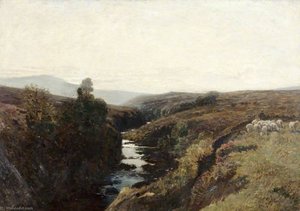
Hamlet in the Auvergne
 Acrylic On Canvas
- WallArt
- Barbizon School
 1830
1830 35.0 x 53.0 cm
 Metropolitní muzeum umění
 Přečíst si více
Ručně malovaná olejová reprodukce
Ručně malované olejné plátno v libovolném rozměru i s rámem, vyrobené našimi umělci na zakázku. ( Přepnout na tiskové verze Přepnout na digitální verzi obrazu)




P118B $10

P118H $10

P118W $10

P438Z $10

P508JH $12

P508YH $12

P805H $10

P805Z $10

P919BZ $10

P919G $10

P919XJ $10

P959ZH $10

P968JZ $12

W106C $8

W218G $10

W218JH $8

W218Y $10

W307PJ $10

W316G $10

W316PJ $8

W316Y $10

W398PJ $8

W4111J $10

W500HY $15

W500JH $15

W692G $12

W849H $8

W940BG $15

W953PJ $8




Vyberte si z našich přednastavených velikostí, které odpovídají původním proporcím díla.

Můžete zadat vlastní rozměry pro konkrétní rám nebo prostor. Pokud se vámi vybraná velikost neshoduje s proporcemi původního obrazu, dílo buď ořízneme, nebo jej doplníme ručně malovanými prvky. Před zahájením výroby vám bude zaslán digitální náhled ke schválení.
Upozorňujeme, že náhled na obrazovce neodpovídá skutečnému ořezu ani rozšíření. Pouze digitální náhled přesně zobrazí finální kompozici.
Ačkoliv je možné zvolit vlastní velikost, pro zachování původních proporcí doporučujeme vybrat rozměr z předdefinovaného seznamu.
Po přijetí objednávky vám tým AllPaintingsStore.com zašle e-mail s pokyny a poskytne náhledovou verzi.
Celosvětová doprava () za 3–4 týdny namísto standardních 5 týdnů. (21 září). Bez kompromisů v kvalitě.

Zdarma celosvětová expresní doprava

Vysoce kvalitní lněné plátno

Úplné pojištění přepravy

Záruka vrácení celního poplatku

Záruka věrného barevného shodu

100dení lhůta pro vrácení zboží (pouze při vadách výroby)

100% garance vrácení peněz

Sleva při více objednávkách
 Skleněná varianta je dostupná pouze u rozměrů menších než 110 cm

Hamlet in the Auvergne
Technika provedení
Velikost reprodukce
-


Celková cena
$ 258
The Soul of the Forest: Théodore Rousseau’s *Hamlet in the Auvergne*
Théodore Rousseau's 1830 painting, *Hamlet in the Auvergne*, isn’t merely a landscape; it’s a profound meditation on humanity’s relationship with nature and the quiet dignity of rural life. Nestled within the rugged folds of central France’s Auvergne region—a land of dramatic cliffs and swelling hills—the scene unfolds as if from a high vantage point, capturing a small, unassuming hamlet clinging to the base of a formidable precipice. Rousseau, a pivotal figure in the Barbizon School, eschewed the polished idealism of academic painting, instead embracing a directness and emotional honesty that resonated deeply with his contemporaries. This work exemplifies his core philosophy: to paint not just what he saw, but how he felt about what he saw—a sentiment powerfully expressed through the subtle shifts in light, texture, and color.
Rousseau’s technique is characterized by a remarkable sensitivity to atmosphere. He employs loose, expressive brushstrokes – a hallmark of the Barbizon style – that capture the essence of the landscape rather than meticulously rendering every detail. The palette is muted yet vibrant, dominated by earthy browns, greens, and greys, punctuated by flashes of blue sky and the warm ochre of the stone buildings. Notice how he uses *sfumato*, a technique borrowed from Leonardo da Vinci, to soften edges and create an almost hazy effect, lending the scene a sense of timelessness and mystery. The composition itself is carefully balanced, drawing the eye through the layered hills and towards the distant hamlet, creating a feeling of both intimacy and vastness.
A Moment in Time: Context and Inspiration
The Auvergne region held a particular significance for Rousseau. He spent several summers sketching in this area, drawn to its raw beauty and the simple lives of its inhabitants. This excursion wasn’t simply a commissioned task; it was a deeply personal journey of discovery. As he himself described, the landscape ignited within him an intense emotional response—a desire to capture not just the physical appearance of the region but also the spirit of its people and the profound connection between humanity and the natural world. The painting reflects this intimate engagement with the subject matter, conveying a sense of quiet contemplation and reverence.
The historical context is equally important. Rousseau’s work emerged during a period of significant social and artistic change in France. The Romantic movement was challenging traditional artistic conventions, emphasizing emotion, imagination, and the beauty of nature. Artists like Rousseau were rejecting the rigid rules of the *Académie des Beaux-Arts* and seeking inspiration directly from the natural world. The painting can be seen as a response to the growing urbanization and industrialization of France, a yearning for a simpler, more authentic way of life—a sentiment that resonated powerfully with audiences at the time.
Symbolism and Emotional Resonance
Beyond its picturesque beauty, *Hamlet in the Auvergne* is rich in symbolic meaning. The isolated hamlet represents resilience and self-sufficiency – a small community finding harmony within a challenging environment. The steep cliffs symbolize both obstacles and opportunities—a reminder of humanity’s vulnerability but also its capacity for endurance. The muted colors evoke a sense of melancholy and introspection, reflecting the artist's own feelings about the relationship between man and nature. There is an underlying current of solitude, yet also a feeling of peace and contentment.
Rousseau masterfully captures this emotional complexity through his use of light and shadow. The diffused sunlight filtering through the clouds creates a sense of mystery and drama, while the shadows deepen the sense of isolation and contemplation. The painting invites viewers to step into the scene, to feel the cool breeze on their skin and hear the quiet murmur of the village below. It’s not simply a depiction of a landscape; it's an invitation to connect with something deeper—a shared experience of beauty, solitude, and the enduring spirit of humanity.
A Legacy in Reproduction
Today, *Hamlet in the Auvergne* stands as a testament to Rousseau’s artistic vision. AllPaintingsStore offers meticulously crafted hand-painted reproductions that faithfully capture the essence of this iconic work. Each reproduction is created by skilled artists using traditional techniques and archival quality materials, ensuring that you can enjoy the beauty and emotional depth of this masterpiece for generations to come. Whether adorning a wall in your home or serving as a focal point in a commercial space, a AllPaintingsStore reproduction of *Hamlet in the Auvergne* will bring a touch of rustic charm and timeless elegance to any setting.
Související díla




Biografie umělce
Théodore Rousseau: Duše lesa
Étienne Pierre Théodore Rousseau (1812–1867) představuje jeden z pilířů malířské školy Barbizon, uměleckého hnutí, které prosazovalo realismus a oslavovalo velkolepost venkovské krajiny. Rousseau se narodil v Paříži do buržoazní rodiny a jeho raný život byl poznamenán odporem otce vůči synově vášni pro umění – tento postoj se však nakonec změkl, jak jen otec sledoval Rousseauvu neochvějnou oddanost svému řemeslu. Tato rodinná podpora se ukázala jako klíčová v době, kdy Rousseau procházel turbulentními vodami pařížských uměleckých kruhů a čelil opakovaným odmítnutím ze strany autorit Salonu, institucí proslulých svým odporem k avantgardním myšlenkám.- Rané vzdělání a vlivy: Rousseauovo počáteční umělecké vzdělání bylo skromné, přesto se rychle prokázal výjimečným talentem. S rozpoznáním jeho schopností ho otec povzbuzoval k vážnému věnování se malířství a upřednostňoval jej před obchodními aktivitami. V sobě vstřebával vlivy umělců jako Jean-François Millet a Eugène Delacroix, jejichž zobrazení vesnického života a dramatických krajin mu postupně vštířilo hlubokou úctu k zachycování podstaty přírody.
- Škola Barbizon a umělecká filozofie: Rousseauova umělecká vize byla soustředěna na vykreslování přirozeného světa s nekompromisní přesností. Odmítal idealizované reprezentace preferované romantismem a přijal estetiku Barbizonu – charakteristickou tlumenými barvami, skicovitým tahem štětcem a důrazem na atmosférickou perspektivu – aby vyjádřil emocionální dopad krajiny. Věřil, že umění by mělo sloužit jako prostředek k pozorování a pochopení přírody a odrážet její vznešenou krásu.
- Významná díla: Rousseau za svého života dosáhl značné slávy, získával zakázky od významných patronů a pravidelně vystavoval v Salonu. Mezi jeho nejslavnější malby patří „The Great Oaks of the Vieux Bas-Breau“, monumentální zobrazení prastarých stromů koupelých v pozlaceném světle; „View of the Puy de Dome and Royat“, představující dechující západ slunce nad sopečnými vrchoviny Francie; a „La Grenouillère“ – dojmové ztvárnění pikniku na řece Loire, protkané melancholickou krásou.
- Vliv na impresionismus: Rousseauova neochvějná věrnost realismu hluboce ovlivnila pozdější umělecká hnutí. Přestože předcházel impresionismu, jeho průkopnický přístup k malbě krajiny připravil cestu umělcům jako Claude Monet a Pierre-Auguste Renoir, kteří se snažili zachytit prchavé okamžiky světla a barvy – což byl sice odklon od Rousseauova pečlivého pozorování přírodních jevů, ale postavený na základech, které on sám položil.

Théodore Rousseau
1812 - 1867 , Francie
Rychlé informace
- Artistic Movement Or Style: Barbisonská škola
- Artists Or Movements Influenced By This Artist: ['Impresionismus']
- Artists Who Influenced This Artist: ['Jean-François Millet']
- Date Of Birth: 15. dubna 1812
- Date Of Death: 22. prosince 1867
- Full Name: Étienne Pierre Théodore Rousseau
- Nationality: Francouzská
- Notable Artworks:
- Les Chênes d'Apremont
- The Great Oaks of the Vieux Bas-Breau
- Place Of Birth: Paříž, Francie
Související články

Evocations of Place: A Historical Journey Through Landscape Art
Explore the rich history of landscape art with AllPaintingsStore. Discover renowned artists, movements like Impressionism & Romanticism, and expert guidance for collecting timeless pieces. Find your perfect serene escape today!

Romantická krajina v malbě: 10 mistrovských děl, které definovaly umělecký proud | AllPaintingsStore
Prozkoumejte 10 ikonických děl romantické krajinářské malby! Objevte příběhy Caspara Davida Friedricha, Turnera a dalších mistrů. Reprodukce obrazů nejvyšší kvality pro váš interiér na AllPaintingsStore.com.

John Constable: 25 mistrovských děl krajinářské poezie | AllPaintingsStore.com
Prozkoumejte 25 ikonických děl Johna Constabla, mistra anglického krajinářství a romantismu. Obdivujte jeho olejomalby, plátna s venkovskou atmosférou a inspirujte se pro dekoraci interiéru. Reprodukce obrazů nejvyšší kvality na AllPaintingsStore.com

Paul Huet: Capturing the Essence of French Romanticism Through Light and Landscape
Explore the captivating world of Paul Huet (1803-1869), a master of French Romantic landscape painting. Discover his influence on Barbizon & Impressionism, and browse high-quality reproductions at AllPaintingsStore.

Henri-Joseph Harpignies: Capturing the Poetic Essence of the French Landscape
Explore the serene landscapes of Henri-Joseph Harpignies, a master of the Barbizon School. Discover his atmospheric paintings, recurring themes & enduring legacy in 19th-century French art. Learn more at AllPaintingsStore.

