Záruka vrácení peněz · 100 dní Doprava po celém světě zdarma
449 564umělecká díla 30 613umělci 4 660muzea 32jazyky
Catalogue entry

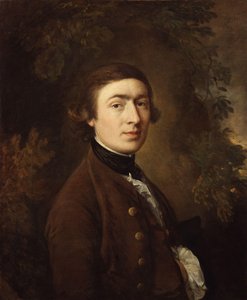
Self Portrait

1787. Oil On Canvas, 77.0 x 65.0 cm.

Fig. 1. Thomas Gainsborough, Self Portrait, 1787. Shown as the reproduction you are specifying: , .

§ 1Catalogue data

Rozměry
77.0 x 65.0 cm

§ 2Abstract

Popis sbírného předmětu

A striking 1787 oil on canvas self-portrait by Thomas Gainsborough captures the artist's mature likeness with a dignified gaze and classic attire, showcasing his mastery of portraiture during the Georgian era – discover this timeless piece.

Biografie umělce

Thomas Gainsborough (1727-1788): Britský malíř portrétů & krajinářů, zakladatel Royal Academy. Jeho díla zachycují krásu Anglie a lidské povahy s lehkostí a emocemi.

§ 3Commentary

A Portrait of Reflection: Thomas Gainsborough’s Self-Portrait

Thomas Gainsborough's 1787 self-portrait offers more than just a likeness; it is a poignant meditation on age, experience, and the enduring power of artistic dedication. Painted during a pivotal period in his career – a time when he was increasingly sought after for portrait commissions – this work reveals a man wrestling with both the successes and the inevitable passage of time. The image, rendered in Gainsborough’s signature oil on canvas technique, immediately draws the viewer into a direct confrontation, mirroring the subject's unwavering gaze.

  • Subject & Composition: The central figure, a man estimated to be in his late 60s or early 70s, dominates the frame with an almost unsettling directness. His posture is upright, conveying a sense of dignity and self-assuredness despite the evident signs of aging – the white hair, the neatly trimmed mustache and sideburns. The composition itself is deceptively simple, relying on the power of observation to create a deeply affecting portrait.
  • Technique & Style: Gainsborough’s mastery of light and shadow is immediately apparent. He employs a loose, expressive brushstroke characteristic of his later work, creating a textured surface that adds depth and realism to the figure. The blue jacket, white shirt, and dark tie – fashionable attire for the period – are rendered with meticulous detail, showcasing Gainsborough's skill in capturing textures and fabrics.

Historical Context: A Master at Work

Created in 1787, this self-portrait provides a valuable window into the life of one of Britain’s most important artists during the Georgian era. Gainsborough was at the height of his career, having already established himself as a leading portrait painter and landscape artist. The Royal Academy of Arts exhibition where this work was initially displayed served as a crucial platform for showcasing artistic talent and attracting wealthy patrons. The painting reflects the societal emphasis on status and self-representation that characterized the period – a desire to immortalize one's identity through art.

  • Georgian Portraiture: Gainsborough’s portraits were highly sought after by the aristocracy and gentry, who commissioned him to capture their likenesses for posterity. His style evolved over time, moving from the more formal, classical influences of his early work towards a looser, more naturalistic approach that emphasized character and personality.
  • The Royal Academy: The Royal Academy, founded in 1789, played a significant role in shaping British art. Gainsborough’s self-portrait was one of the first works exhibited at the Academy's annual exhibition, marking a new era for artistic presentation and patronage.

Symbolism & Emotional Impact

Beyond its technical brilliance, this self-portrait is laden with symbolic meaning. The direct gaze of the subject invites introspection, prompting viewers to consider their own mortality and legacy. The white hair, often associated with wisdom and experience, suggests a lifetime dedicated to artistic pursuits. The painting’s emotional impact lies in its raw honesty – a glimpse into the soul of a man confronting his age and reflecting on his life's work. It is a powerful reminder of the human condition, inviting us to contemplate our own place within time.

  • Age & Reflection: The prominent display of aging in the portrait speaks to the themes of mortality and reflection that were prevalent during Gainsborough’s lifetime.
  • The Artist's Identity: By portraying himself, Gainsborough elevates his own status as an artist, asserting his importance within the artistic community.

A Timeless Masterpiece – A Hand-Painted Reproduction

AllPaintingsStore offers a meticulously crafted hand-painted reproduction of this iconic work by Thomas Gainsborough. Each reproduction is created by skilled artisans who painstakingly recreate Gainsborough’s technique and style, ensuring an unparalleled level of detail and authenticity. This isn't merely a print; it's a genuine artwork that will grace your walls with the timeless beauty and profound emotion of one of Britain’s greatest portrait painters. Perfect for collectors, interior designers seeking to infuse their spaces with artistic heritage, or anyone captivated by Gainsborough’s vision.

Otázky a odpovědi

Kde si mohu prohlédnout náhled díla "Self Portrait"?

Chcete-li si prohlédnout náhled reprodukce díla „Self Portrait“ od Thomas Gainsborough, otevřete stránku Náhled v prostoru tohoto díla.

Jaká je vnímaná jasnost díla „Self Portrait“ od Thomas Gainsborough?

Z hlediska vnímané jasnosti je dílo „Self Portrait“ od Thomas Gainsborough deep_shadow.

Je dílo „Self Portrait“ volné z autorských práv?

Dílo „Self Portrait“ od Thomas Gainsborough spadá do v rámci volného užití – autorská práva vypršela. Tento stav určuje pravidla pro reprodukci obrazu tohoto díla.
§ 4The artist

Thomas Gainsborough

Thomas Gainsborough

1727 - 1788, Spojilováno

Quick facts about Thomas Gainsborough

  • Artistic Movement Or Style: Rococo, Portrét
  • Artists Or Movements Influenced By This Artist: ['Constable']
  • Artists Who Influenced This Artist:
    • Gravelot
    • Hogarth
  • Date Of Birth: 1727
  • Date Of Death: 1788
  • Full Name: Thomas Gainsborough
  • Nationality: Britský
  • Notable Artworks:
    • Mr a paní Andrews
    • Modrý chlapec
  • Place Of Birth (City And Country): Sudbury, UK

Biografie umělce

A Suffolk Beginning: The Early Life and Artistic Awakening

The story of Thomas Gainsborough, one of Britain’s most celebrated artists, unfolds not within the confines of a grand academy or bustling metropolis, but in the tranquil market town of Sudbury, Suffolk. Born in 1727, the youngest son of John Gainsborough, a weaver and wool merchant, young Thomas displayed an innate artistic sensibility from a remarkably early age. While his siblings pursued more conventional paths, Thomas’s world rapidly became consumed by drawing and painting – miniature self-portraits and delicate landscapes blossoming from his hand even before he reached ten years old. This precocious talent wasn't merely a childhood pastime; it was the burgeoning of a vision that would reshape British art. His father, recognizing this unique gift, encouraged its development, setting young Thomas on a path diverging sharply from the family trade. The Suffolk countryside itself became his first studio, imbuing his later works with a deep and abiding love for the natural world – a characteristic that would distinguish him throughout his career. This early immersion in landscape wasn’t simply about replicating what he saw; it was about *feeling* the essence of the English countryside, an emotional resonance that would permeate his canvases for decades to come.

London and the Shaping of a Style: Influences and Early Commissions

In 1740, at the age of thirteen, Gainsborough journeyed to London, embarking on formal artistic training under Hubert Gravelot, a French engraver renowned for his elegant rococo style. This exposure proved pivotal, introducing him to refined techniques and fashionable aesthetics. However, it was his association with William Hogarth and the St Martin’s Lane Academy that truly began to mold his artistic identity. Initially influenced by Hogarth's narrative approach – his satirical depictions of London life – Gainsborough soon charted his own course, developing a distinctive style characterized by its lightness of touch, fluid brushwork, and subtle color palettes. He absorbed lessons from various masters, including the Dutch landscape painters whose influence on his early works is evident in their atmospheric perspective and use of light. Returning to Sudbury after marrying Margaret Burr in 1746, Gainsborough established himself as a portrait painter for the local gentry. This period honed his skills in capturing likenesses and character, but it was during his subsequent move to Ipswich, and later Bath, that he began attracting a more sophisticated clientele – individuals who appreciated not just accurate representation, but also artistic flair and emotional depth.

Bath and Beyond: Portraiture, Landscape, and Royal Patronage

The years spent in Bath (1759-1774) marked a significant turning point in Gainsborough’s career. The city was a hub of fashionable society, providing him with ample opportunities to paint portraits of the wealthy and influential. He quickly gained renown for his ability to capture not only physical resemblance but also the personality and social standing of his sitters. His portraits weren't merely depictions; they were statements about identity and status. He experimented with new techniques, incorporating elements of chiaroscuro – dramatic contrasts between light and dark – to create a sense of depth and drama. However, even amidst the demands of portraiture, Gainsborough never abandoned his passion for landscape painting. In fact, he often seamlessly integrated landscapes into his portraits, creating compositions that celebrated both human subjects and the beauty of the natural world. This innovative approach – a hallmark of his style – set him apart from many of his contemporaries. The culmination of his success came with his move to London in 1774, where he established a studio on Pall Mall and became a founding member of the Royal Academy. He also secured royal patronage, becoming a favorite painter of King George III and Queen Charlotte, further solidifying his position as one of Britain’s leading artists. *Mrs. Thomas Gainsborough*, painted in 1785, exemplifies this period – an elegant portrait showcasing rococo style and muted tones.

A Legacy of Innovation: Enduring Appeal and Influence

Thomas Gainsborough died in 1788, leaving behind a body of work that continues to captivate audiences today. His influence on subsequent generations of British artists is undeniable. He liberated portraiture from rigid formality, infusing it with spontaneity and emotional resonance. His loose brushwork and atmospheric effects paved the way for the Impressionists, while his lyrical landscapes inspired artists like John Constable, who deeply admired Gainsborough’s ability to capture the spirit of the English countryside. Gainsborough's legacy extends beyond technique; it lies in his profound understanding of human character and his unwavering commitment to artistic expression. He wasn’t simply a painter of portraits or landscapes; he was a storyteller, a poet of light and color, and a visionary who transformed British art. His paintings are a testament to the power of observation, imagination, and the enduring allure of the English landscape.

Exploring Gainsborough's World Today

Fortunately, the opportunity to experience Gainsborough’s genius firsthand remains readily available. Gainsborough’s House, in his birthplace of Sudbury, stands as a testament to his life and work, offering visitors an intimate glimpse into his early influences and artistic development. Christchurch Mansion in Ipswich houses a significant collection of Gainsborough paintings alongside works by Constable and other masters. Numerous museums across the United Kingdom and internationally display his masterpieces, including the National Gallery in London and the Metropolitan Museum of Art in New York. His work continues to be studied, analyzed, and celebrated, ensuring that his artistic vision will endure for generations to come. The enduring appeal of Gainsborough’s art lies not only in its technical brilliance but also in its timeless beauty and emotional depth – qualities that resonate with viewers across centuries.

§ 5Comparanda

§ 6Questions

Rychlé informace

  • Location: Royal Academy, London
  • Medium: Oil on canvas
  • Artist: Thomas Gainsborough
  • Year: 1787
  • Influences: British art

§ 7Cite this entry

AllPaintingsStore.com, “Thomas Gainsborough, Self Portrait (1787)”, https://allpaintingsstore.com/cs/art/thomas-gainsborough-self-portrait-ARJF3L-en/ArtistReproduction/ (accessed 5 říjen 2026).

§ 8The reproduction

Ručně malovaná olejová reprodukce

Rukou malované olejné plátno v libovolném rozměru i s rámem, vyrobené našimi umělci na zakázku. ( Přepnout na tisk Přepnout na digitální obraz)

It is specified on the order sheet in the margin; the present state of that sheet reads as follows.

Self Portrait

Technika reprodukce

Rozměry reprodukce

-

Vybraní mistři umění

Vyšší míra detailu, jemnosti a delší doba výroby

-

Možnosti rámování reprodukcí

-

-

U děl nebo reprodukcí, u nichž je jakákoliv strana větší než 105 cm (přibližně 41 palců), bude rám dodán jako sestava v rozloženém stavu. Tato metoda zajišťuje bezpečné doručení a chrání dílo před poškozením během přepravy.

Vyžaduje se odborná montáž – nejedná se o produkt pro svépomocnou realizaci (DIY).
Sestava musí být složena a plátno napnuto zkušeným profesionálním rámovačem s použitím dřevěného lepidla (není součástí balení), kleští na napínání plátna a svorek pro udržení pravých úhlů křížů během schnutí lepidla. Nesprávná montáž nebo nerovnoměrné napnutí plátna může způsobit trvalé poškození uměleckého díla, které není kryto naší zárukou.

  • Jsou zahrnuty všechny lišty z masivního dřeva, přesně na míru nařezané.

  • Sestavuje se pomocí součástí balení (šroubů), plus dřevěného lepidla na rohové spoje, které není součástí balení a musí jej zajistit váš rámovač.

  • Vyžaduje se profesionální nářadí, které není součástí sady: kleště na napínání plátna a svorky pro udržení kolmosti příček během schnutí lepidla.

Důležité:
Spoje v rozích vyžadují lepidlo na dřevo, tyčinky musí být přichyceny pomocí svorek, dokud lepidlo zcela neuschne, a pro napnutí plátna na sestavený rám je zapotřebí kleští na natahování plátna. Žádný z těchto náčiní není součástí sady. Před objednáním této velikosti prosím zajistěte zkušeného profesionálního rámovače.

Popisek díla

-

-

Ochranný lak

Lesklý lak (zvýrazňuje barvy, chrání před světlem a vlhkostí)

-

Přizpůsobit své umělecké dílo

Příklady možných úprav: nahrazení obličeje fotografií zákazníka; přidání domácího mazlíčka (např. výměna kočky za psa); vložení skrytého vzkazu do pozadí; změna krajiny nebo prvků v pozadí.

-

Prioritní doručení

Celosvětové doručení () za 3–4 týdny namísto standardních 5 týdnů. (2 listopad). Bez kompromisů v kvalitě.

-

Expresní doručení

Celosvětová doprava () do 5 týdnů. (9 listopad).

V ceně

Celková cena za vybrané možnosti reprodukcí

Kč 5603

Included with every order

  • Zdarma celosvětová expresní doprava
  • Vysoce kvalitní lněné plátno
  • Kompletní pojištění přepravy
  • Záruka vrácení celního poplatku
  • Záruka věrného barevného souladu
  • 100dení lhůta pro vrácení zboží (pouze při vadách výroby)
  • 100% záruka vrácení peněz
  • Sleva při více objednávkách
Order sheet