


 Náhled
 Sdílet
 Sdílet
 Podrobnosti o díle

 Stáhnout
 Podobné položky
 Rentgenové snímky
 Slideshow
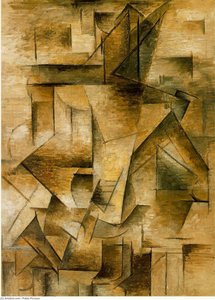
Greyfriars Tower, Norfolk
 1910
1910 53.0 x 41.0 cm
 Zobrazit více
Giclée / Umělecký tisk
Giclée nebo plátěný tisk muzeální kvality s rychlou výrobou a flexibilními možnostmi povrchové úpravy. ( Koupit ručně malovaný obraz Koupit obrázek)




































Vyberte si z našich přednastavených velikostí, které odpovídají původním proporcím díla.

Můžete zadat vlastní rozměry tak, aby výtvor odpovídal konkrétnímu rámu nebo prostoru. Pokud zvolená velikost nebude odpovídat poměru stran původního obrazu, dílo buď ořížeme, nebo obraz rozšíříme pomocí zrcadlového efektu či jednobarevného okraje. Před zahájením výroby vám bude zaslán digitální náhled k schválení.
Mějte prosím na paměti, že náhled na obrazovce neodráží skutečné oříznutí nebo rozšíření. Pouze digitální náhled přesně zobrazí finální kompozici.
Ačkoliv jsou k dispozici i vlastní rozměry, pro zachování původních proporcí doporučujeme vybrat si rozměr z předdefinovaného seznamu.
Celosvětové doručení () do 2 týdnů namísto standardních 4/5 týdnů. (19 srpen)

Zdarma celosvětová expresní doprava

Vysoce kvalitní lněné plátno

Kompletní přepravní pojištění

Záruka vrácení celního poplatku

Záruka přesného barevného shodu

60denní lhůta pro vrácení zboží (pouze při vadách výroby)

100% garance vrácení peněz

Sleva při hromadné objednávce
 Skleněná varianta je dostupná pouze u rozměrů menších než 110 cm

Greyfriars Tower, Norfolk
Giclée / Umělecký tisk
Rozměry reprodukce
-


Celková cena za výběr
$ 64
Podobná umělecká díla


Biografie umělce
A Legacy Rooted in Landscape: The World of Thomas H Borrmann
Thomas H Borrmann is an artist whose work quietly resonates with a deep appreciation for the natural world and a profound connection to historical narrative. While not a household name, his paintings offer a compelling glimpse into a tradition deeply influenced by 19th-century Realism, particularly the Barbizon school and the legacy of Jean-François Millet. Borrmann’s canvases are populated with evocative landscapes and scenes that hint at rural life, labor, and the enduring spirit of the French countryside. His art is not about grand gestures or dramatic innovation; it's a subtle exploration of light, form, and the emotional weight carried within familiar subjects.Early Life and Artistic Formation
Information regarding Borrmann’s early life remains somewhat elusive, contributing to the mystique surrounding his work. He is associated with Cherbourg and Evreux in France, where his paintings are held in local museums – a testament to his regional significance and the appreciation of his art within those communities. While specific details about formal training are scarce, it's clear that Borrmann developed a keen observational skill and a mastery of oil painting techniques. His style suggests a self-directed study of the Old Masters, combined with an immersion in the contemporary artistic currents of France. The influence of Millet is particularly strong, evident in his depictions of peasant life and the dignified portrayal of working individuals. It’s plausible that Borrmann engaged in plein air painting – capturing the fleeting effects of light directly from nature – a practice central to the Barbizon school's approach.Themes and Techniques: A Dialogue with Tradition
Borrmann’s oeuvre centers around two primary themes: expansive landscapes and scenes depicting rural life, often imbued with historical undertones. His landscapes are not merely representations of places; they are emotional spaces that evoke a sense of tranquility, solitude, and the passage of time. He skillfully employs a muted palette, dominated by earth tones – ochres, browns, greens, and grays – to create an atmosphere of realism and authenticity. Light plays a crucial role in his work, subtly illuminating forms and creating depth within the compositions. His scenes of rural life are equally compelling. Borrmann doesn’t romanticize poverty or hardship; instead, he presents a dignified portrayal of labor and resilience. Figures are often depicted engaged in everyday tasks – harvesting crops, tending to animals, or simply resting after a long day's work. These paintings offer a quiet commentary on the importance of community, tradition, and the enduring connection between humanity and the land. His technique is characterized by careful brushwork, a subtle use of impasto, and a commitment to capturing the textures and details of his subjects.Recognition and Historical Context
The presence of Borrmann’s work in museums such as those in Cherbourg and Evreux underscores his importance within the regional art scene. While he may not have achieved widespread international recognition during his lifetime, his paintings were clearly valued by local collectors and institutions. His art reflects a broader movement within 19th-century France – a reaction against academic formalism and a growing interest in depicting everyday life and the realities of rural existence. He stands as part of a lineage that includes artists like Millet, Courbet, and Daubigny, who sought to capture the essence of French society and landscape with honesty and authenticity.Borrmann’s Enduring Appeal
Today, Thomas H Borrmann's paintings offer a refreshing alternative to more bombastic or overtly stylized works. His art invites viewers to slow down, observe carefully, and appreciate the beauty of simplicity. The quiet dignity of his subjects, combined with his masterful technique, creates a lasting impression. While biographical details remain sparse, the power and emotional resonance of his work speak for themselves.- His paintings provide a valuable insight into 19th-century French rural life.
- Borrmann’s landscapes evoke a sense of tranquility and connection to nature.
- The artist's subtle use of light and color creates an atmosphere of realism and authenticity.

Rychlé fakta
- Artistic Movement Or Style: Landscape, Historical scenes
- Artists Who Influenced This Artist: ['Jean-François Millet']
- Date Of Death: Living
- Full Name: Thomas H Borrmann
- Nationality: French
- Notable Artworks:
- Evocative Landscapes
- Historical Scenes



