


 Koupit tisk Koupit digitální obrázek
 Sdílet
 Sdílet
 Podrobnosti o díle
 Přidat do oblíbených

 Stáhnout
 Podobné položky
 Rentgenové snímky
 Slideshow
Kamin
 Contemporary Abstraction
 298.0 x 198.0 cm
 Zobrazit více
Ručně malovaná olejová reprodukce
Ručně malovaná olejná barva na plátně ve vašem zvoleném rozměru i s rámem, vyrobená našimi umělci na zakázku.




































Vyberte si z našich přednastavených velikostí, které odpovídají původním proporcím díla.

Můžete zadat vlastní rozměry pro konkrétní rám nebo prostor. Pokud se vámi vybraná velikost neshoduje s proporcemi původního obrazu, dílo buď ořízneme, nebo jej doplníme ručně malovanými prvky. Před zahájením výroby vám bude zaslán digitální náhled ke schválení.
Upozorňujeme, že náhled na obrazovce neodpovídá skutečnému ořezu ani rozšíření. Pouze digitální náhled přesně zobrazí finální kompozici.
Ačkoliv je možné zvolit vlastní velikost, pro zachování původních proporcí doporučujeme vybrat rozměr z předdefinovaného seznamu.
Po přijetí objednávky vám tým AllPaintingsStore.com zašle e-mail s pokyny a poskytne náhledovou verzi.
Celosvětová doprava () za 3–4 týdny namísto standardních 5 týdnů. (20 červenec). Bez kompromisů v kvalitě.

Zdarma celosvětová expresní doprava

Vysoce kvalitní lněné plátno

Kompletní přepravní pojištění

Záruka vrácení celního poplatku

Záruka přesného barevného shodu

60denní lhůta pro vrácení zboží (pouze při vadách výroby)

100% garance vrácení peněz

Sleva při hromadné objednávce
 Skleněná varianta je dostupná pouze u rozměrů menších než 110 cm

Kamin
Technika reprodukce
Rozměry reprodukce
-


Celková cena za výběr
-
Podobná umělecká díla


Biografie umělce
Thomas Scheibitz: Architect of the Unseen
Thomas Scheibitz, a name increasingly recognized within contemporary art circles, is far more than simply a painter or sculptor; he’s a meticulous architect of perception, constructing worlds both familiar and unsettling through layered imagery and a profound engagement with systems of order. Born in 1968 in Radeberg, East Germany – a region steeped in industrial history and the lingering echoes of division – Scheibitz's artistic trajectory is inextricably linked to his formative environment. His childhood amidst the remnants of socialist production, coupled with a formal education at the Dresden Academy of Fine Arts under Professor Ralf Kerbach (who also mentored Frank Nitsche and Eberhard Havekost), provided him with a unique lens through which to examine the complexities of representation and the inherent contradictions within established visual languages. Early influences included the stark geometries of Soviet-era architecture, the fragmented narratives of East German propaganda, and the burgeoning conceptual art movements that challenged traditional notions of artistic creation. Scheibitz’s work quickly moved beyond mere imitation or commentary; instead, he began to develop a highly personal and idiosyncratic system for generating imagery. He frequently employs a process of meticulous layering – building up surfaces with paint, collage elements, and even found objects – creating textures and visual densities that invite prolonged contemplation. His sculptures, often resembling architectural models or fragments of corporate logos, share this same obsessive attention to detail, suggesting a fascination with the underlying structures that govern our perception of reality. Roberta Smith aptly described his sculptural work as “resembling architectural models or fragments of logos,” highlighting the artist’s deliberate blurring of boundaries between the familiar and the abstract. This tendency towards deconstruction and recombination is further evident in his paintings, which frequently feature vaguely figurative forms emerging from fields of color and geometric patterns – a visual dialogue that speaks to both the inherent instability of representation and the enduring power of symbolic systems.The Venice Pavilion and Early Recognition
Scheibitz’s international breakthrough arrived in 2005 with his participation in the 51st Venice Biennale, where he represented Germany alongside Tino Sehgal within a shared pavilion installation. This pivotal moment catapulted him into the global art spotlight, establishing him as a key figure in the German contemporary art scene. The collaborative nature of the pavilion – a pairing with Sehgal, known for his subtle and often elusive installations – underscored Scheibitz’s own approach to artistic engagement: not through overt statements or didactic narratives, but through the careful construction of ambiguous spaces that invite viewers to actively participate in their interpretation. Following Venice, Scheibitz's work began to be exhibited in prestigious institutions worldwide, including the Institute of Contemporary Arts in London, the Berkeley Art Museum in San Francisco, and the Stedelijk Museum in Amsterdam – a testament to the growing recognition of his singular artistic vision.A Language of Systems and Fragments
At the core of Scheibitz’s practice lies an exploration of systems—both formal and conceptual. His paintings frequently employ geometric grids, repetitive patterns, and carefully calibrated color palettes, creating visual structures that subtly suggest underlying rules and hierarchies. However, these systems are rarely presented in a static or predictable manner; instead, they are often disrupted by the introduction of fragmented imagery – distorted portraits, abstracted landscapes, and cryptic symbols – which challenge the viewer’s sense of order and control. This tension between structure and chaos is a defining characteristic of his work, reflecting a broader preoccupation with the inherent instability of meaning and the limitations of representation. Furthermore, Scheibitz's use of collage—incorporating found materials, printed images, and text fragments—adds another layer of complexity to his visual language, suggesting a dialogue between past and present, memory and experience.Recent Exhibitions and Continuing Influence
In recent years, Scheibitz’s work has continued to evolve, exploring themes of classification, information overload, and the relationship between art and architecture. His 2019-2020 exhibition at the Berggruen Museum in Berlin, “ABC – I II III,” offered a particularly compelling glimpse into his ongoing investigation of systems and their inherent contradictions. The show’s title itself—a reference to the alphabet—underscores Scheibitz's fascination with the underlying structures that govern our understanding of the world. More recently, exhibitions at Tanya Bonakdar Gallery in New York have showcased his continued engagement with architectural forms, color theory, and the interplay between figuration and abstraction. Thomas Scheibitz’s work remains a significant contribution to contemporary art, offering a unique and challenging perspective on the complexities of perception, representation, and the enduring power of visual systems. His influence is felt not only within the German art scene but increasingly across international boundaries, solidifying his position as an artist whose singular vision continues to provoke and inspire.
Rychlé fakta
- Artistic Movement Or Style: Figuration/Abstraction
- Artists Or Movements Influenced By This Artist:
- Frank Nitsche
- Eberhard Havekost
- Artists Who Influenced This Artist:
- Hermann Glöckner
- A.R. Penck
- Date Of Birth: 1968
- Full Name: Thomas Scheibitz
- Nationality: German
- Notable Artworks:
- Kamin
- ONE-Time Pad
- Place Of Birth: Radeberg, Germany
Související články

Beyond Representation: Emotional Resonance & Formal Innovation in Abstract Painting
Explore the profound emotional depth & formal innovations of abstract painting. Discover key artists like Rothko & Kandinsky, understand art collecting insights, and elevate your space with timeless masterpieces. Expert analysis for discerning collectors.
Beyond Form & Color: Geometric Abstraction's Enduring Legacy in Art History
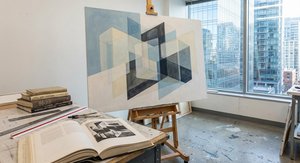
Explore the captivating world of geometric abstraction! Discover its origins, key artists like Malevich & Mondrian, and why this movement remains highly valued by art collectors today. Expert insights at AllPaintingsStore.
Od ateliéru k salonu: Gesturalita, emoce a filozofické základy současné abstraktní tvorby
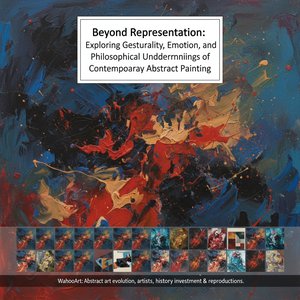
Prozkoumejte hluboký svět abstraktní malby s AllPaintingsStore. Historie, filozofické základy a současné trendy. Investujte do umění s odborným vedením a pořiďte si dílo plné emocí.

Geometrická abstrakce: 10 mistrovských děl, které změnily umění | AllPaintingsStore.cz
Prozkoumejte 10 ikonických děl geometrické abstrakce od Mondriana, Maleviče a Kandinského. Objevte příběhy umělců, techniky a historii tohoto revolučního hnutí. Najděte inspiraci pro moderní dekorace a luxusní reprodukce obrazů na AllPaintingsStore.com.

Top 10 uměleckých děl s moderní atmosférou | AllPaintingsStore.cz
Prozkoumejte 10 ikonických děl moderního umění – od Van Gogha po Picassa. Objevte příběhy, techniky a inspiraci za těmito nadčasovými obrazy. Reprodukce obrazů nejvyšší kvality na AllPaintingsStore.cz. Inspirace pro váš interiér online!



