


 Náhled v interiéru
 Sdílet
 Sdílet
 Podrobnosti o díle
 Průvodce

 Stáhnout
 Podobné položky
 Rentgenové snímky
 Slideshow
 Statistiky
Crucifixion
 Oil On Canvas
- WallArt
- Baroque
 1558
1558 371.0 x 197.0 cm
 Museo Civico
 Zobrazit více
Giclée / Umělecký tisk
Giclée nebo plátěný tisk muzeální kvality s rychlou výrobou a širokou nabídkou povrchových úprav. ( Koupit ručně malovaný obraz Přepnout na digitální obraz)




P118B Kč10

P118H Kč10

P118W Kč10

P438Z Kč10

P508JH Kč12

P508YH Kč12

P805H Kč10

P805Z Kč10

P919BZ Kč10

P919G Kč10

P919XJ Kč10

P959ZH Kč10

P968JZ Kč12

W106C Kč8

W218G Kč10

W218JH Kč8

W218Y Kč10

W307PJ Kč10

W316G Kč10

W316PJ Kč8

W316Y Kč10

W398PJ Kč8

W4111J Kč10

W500HY Kč15

W500JH Kč15

W692G Kč12

W849H Kč8

W940BG Kč15

W953PJ Kč8




Vyberte si z našich přednastavených velikostí, které odpovídají původním proporcím díla.

Zadejte šířku a výšku, které potřebujete pro váš rám nebo stěnu. Tisk lze pouze oříznout, nikdy však nelze zvětšit obraz nad jeho původní rozměr, proto při výběru jiného formátu dochází ke ztrátě části obrazu. Před samotným tiskem vám zašleme digitální náhled k schválení. Obraz zobrazený na této stránce nenabízí skutečný výřez — ten uvidíte pouze v náhledu.
Celosvětové doručení () do 2 týdnů namísto standardních 4/5 týdnů. (25 říjen)

Zdarma celosvětová expresní doprava

Vysoce kvalitní lněné plátno

Kompletní pojištění přepravy

Záruka vrácení celního poplatku

Záruka věrného barevného souladu

100dení lhůta pro vrácení zboží (pouze při vadách výroby)

100% záruka vrácení peněz

Sleva při více objednávkách
 Skleněná varianta je dostupná pouze u rozměrů menších než 110 cm

Crucifixion
Giclée / Umělecký tisk
Rozměry reprodukce
-


Celková cena za vybrané možnosti reprodukcí
Kč 1369
The Weight of Sorrow: Tiziano Vecellio’s “Crucifixion”
Tiziano Vecellio's "Crucifixion," completed in 1558 and currently residing within the sanctuary of San Domenico in Ancona, Italy, is not merely a depiction of a biblical event; it’s an immersive experience of grief, faith, and profound human suffering. Painted during a pivotal period of his artistic evolution, this monumental oil on canvas transcends simple representation to become a deeply emotive meditation on sacrifice and redemption – a cornerstone of the Venetian Renaissance's exploration of religious themes.
The scene unfolds with arresting immediacy. Christ, suspended upon the stark wooden cross, dominates the composition, yet he is not presented as a triumphant martyr but rather as a figure utterly consumed by agony. The artist’s masterful use of chiaroscuro – the dramatic interplay of light and shadow – intensifies this sense of torment. Deep blues and browns envelop the background, suggesting an oppressive atmosphere mirroring Christ's ordeal, while strategically placed highlights illuminate his body, emphasizing the brutal reality of his wounds and the sheer weight of his suffering. The figures flanking the cross—traditionally identified as Mary and Saint John—are not presented as passive observers but as deeply affected witnesses, their postures conveying a palpable sense of sorrow and reverence.
A Symphony of Color and Technique
Titian’s genius lies in his ability to imbue religious subjects with an unprecedented level of naturalism and emotional depth. This painting exemplifies that skill perfectly. The application of oil paint is remarkably loose and expressive, a departure from the smoother, more polished styles prevalent at the time. Notice the visible brushstrokes—they aren't concealed but rather contribute to the texture and dynamism of the scene. The artist employs a vibrant yet restrained palette; deep blues, rich reds, and earthy browns dominate, creating a visual harmony that is both somber and captivating. The use of color isn’t merely decorative; it serves to amplify the emotional impact of the narrative.
Furthermore, Titian's innovative approach to landscape integration is particularly noteworthy. Rather than relegating the background to a simple, static backdrop, he seamlessly weaves in a dramatic, almost surreal, Italianate landscape—a rolling vista of hills and distant clouds. This inclusion elevates the scene beyond a purely theological representation, suggesting a connection between Christ’s suffering and the broader beauty and fragility of the natural world. The landscape isn't just decorative; it serves as a visual metaphor for both the earthly realm and the spiritual one.
Symbolism and Historical Context
"Crucifixion" is deeply rooted in the religious and artistic conventions of its time. As a central image within Christian iconography, the crucifixion represents the ultimate sacrifice made for humanity’s salvation. The inscription “INRI” – Latin for “Jesus of Nazareth, King of the Jews” – serves as a pointed reminder of Christ's public humiliation and rejection by the Roman authorities. The figures surrounding the cross—Mary and John—are not simply witnesses but embody key aspects of Christian faith: Mary represents maternal compassion and unwavering devotion, while John symbolizes theological contemplation and spiritual insight.
Painted during the High Renaissance, this work reflects a shift towards greater emotional intensity and dramatic realism in art. Titian’s exploration of human suffering aligns with the broader cultural trends of the era, which increasingly focused on exploring the complexities of human experience—both the joyous and the tragic. The painting's placement within the San Domenico church underscores its importance as a devotional work intended to inspire contemplation and reverence.
A Timeless Masterpiece
“Crucifixion” remains a profoundly moving artwork centuries after its creation. It’s not simply a historical record but a visceral experience of sorrow, faith, and the enduring power of human compassion. Titian's masterful technique—his innovative use of color, his dynamic brushwork, and his ability to seamlessly integrate landscape into religious narrative—solidifies this painting as a cornerstone of Venetian Renaissance art and a testament to the artist’s unparalleled genius. Reproductions capture only a fraction of the original’s emotional resonance, but offer a window into a world of profound beauty and spiritual depth.
Otázky a odpovědi
Jaký je formát a rozměr díla "Crucifixion"?
„Crucifixion“ od Tiziano Vecellio je kompozice ve formátu Tall o původních rozměrech 371 x 197 cm.
Jakou technikou je vytvořeno dílo "Crucifixion"?
„Crucifixion“ je dílo vytvořené v technice Oil On Canvas.
Mohu si před objednávkou prohlédnout „Crucifixion“ od Tiziano Vecellio?
Náhled díla „Crucifixion“ od Tiziano Vecellio si můžete prohlédnout na stránce Náhled v prostoru.
Podobná díla


Biografie umělce
The Venetian Titan: A Life in Color and Canvas
Tiziano Vecellio, známý pod jménem Titian, představuje monumentální postavu italského Renesansu – možná jeho nejvýznamnější kolorista a mistr, který definoval možnosti malby olejem. Narodil se kolem roku 1490 v Pieve di Cadore, zasazené do dramatických krajin veneta Alp, jeho cesta od skromných začátků k mezinárodnímu uznání je důkazem neuvěřitelného talentu a neochvějné oddanosti umělecké inovacii. Detaily o Titianově raném životě zůstávají částečně zahalené v závoji tajemství, ale víme, že byl jedním z několika dětí narozených Gregoriovi Vecelliovi, vojákovi, a Lucie. Rodina proto uspořádala, aby Tiziano i jeho bratr Francesco byli učni u umělce ve Verceli – rozhodnutí, které neodmyslitelně změnilo chod historie umění. Veneza na přelomu 16. století byla pulzující obchodním, kulturním a uměleckým centrem. Titianův počáteční výcvik probíhal v dílnech Sebastiana Zuccata, mozaikovce, následně krátkodobě pod vedením Gentile Belliniho a především jeho bratra Giovanniho. Ale to spojenectví s Giorgione – umělcem, jehož práce vykazovala éterickou poezii – se ukázalo jako nejvlivnější. Ti dva spolupracovali na několika projektech, včetně vnějších fresk pro Fondaco dei Tedeschi, rušný obchodní dům pro německé obchodníky. I v těchto raných dílech byl Titianův výjimečný talent patrný, získal si uznání mezi svými soudnými umělci a předzvěst blížící se geniality.A Master's Evolving Style
Titianova umělecká tvorba se dá charakterizovat pozoruhodnou rozmanitostí a neustálou snahou o malířské techniky. Jeho rané díla, silně ovlivněná Giorgione, vykazují jemnou lyrickou atmosféru a mistrné používání barev k vytváření atmosférických efektů. Malby jako *A Man with a Quilted Sleeve* (kolem roku 1509) demonstrují jeho rostoucí talent pro portrétování, zachycující nejen fyzické podobnosti svých subjektů, ale i jejich vnitřní charakter. Jak s postupoval, Titian začal odklánět se od Giorgioneových jemných tónů a přijmout odvážnější, dramatickou přístup k barvě. *The Visitation of Mary and Elizabeth* (nyní v Accademia ve Verceli) ukazuje jeho rostoucí jistotu při zachycování složitých kompozic a živé barevnosti. Během svého dlouhého života neustále rozvíjel hranice uměleckého vyjádření. Experimentoval s různými štětcovými pohyby – od hladkých, splečených povrchů po volné, expresivní značky – a vyvinul jedinečnou techniku vrstvení barev k vytváření luminózních efektů. Jeho portréty se staly proslulé svou psychologickou hloubkou a realistickým zobrazením textur a látek. Současně vynikal v malbě mytologických a náboženských témat, obohacoval je o sexualitu a dramatický intenzitní efekt, který okouzlil publikum. Primárním příkladem je *Venus of Urbino*, mistrovské dílo, které definovalo zobrazení ženské nude a etablovalo Titiana jako vedoucí postavu ve venetské malbě.Patronage, Prestige, and Lasting Influence
Titianův talent přilákal pozornost mocných mecenášů po celé Evropě. Byl dvorním malířem císaře Karla V., krále Filipa II. Španělského a papeže Pavla III. mezi dalšími. Tato mecenátská podpora mu nejen zajistila finanční zabezpečení, ale také mu umožnila vytvářet monumentální díla, která ukazovala jeho uměleckou genialitu na velkém měřítku. Jeho schopnost přizpůsobit svůj styl vkusu různých dvorních kruhů a zároveň si zachovat vlastní jedinečný hlas je důkazem jeho mimořádného talentu a diplomatické zručnosti. Titian zemřel ve Verceli v roce 1576 během epidemie moru. Jeho díla jsou k nalezení v muzeích po celém světě, včetně Galleria Palatina ve Florencii, Prado muzea v Madridu a National Gallery v Londýně. K ochutnávce Titiana je nutné navštívit Scuola del Santo ve Padově a San Salvador ve Verceli, kde se nacházejí jeho dechberoucí fresky.Exploring Further
- Museums & Collections: Discover Titian’s works at the Scuola del Santo in Padua and San Salvador in Venice, both showcasing his breathtaking frescoes.
- Related Artists: Explore the influence of Giorgione on Titian's early style and the later impact of Titian on artists like Rubens and Delacroix.
- Historical Context: Immerse yourself in the world of the Italian Renaissance and Venetian painting to fully appreciate Titian’s artistic achievements.
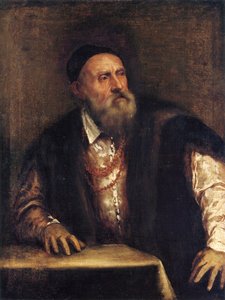
Tiziano Vecellio
1490 - 1576 , Itálie
Rychlé informace o umělci
- Artistic Movement Or Style: Benátská malba
- Artists Or Movements Influenced By This Artist:
- Rubens
- Delacroix
- Artists Who Influenced This Artist:
- Giovanni Bellini
- Giorgione
- Date Of Birth: c. 1490
- Date Of Death: 1576
- Full Name: Tiziano Vecellio
- Nationality: Italijský
- Notable Artworks:
- Bacchus a Ariadne
- Venere di Urbino
- Place Of Birth: Pieve di Cadore, Itálie
Související články

Oil on Canvas: The Professional Guide to Durable, High-Quality Art Reproductions for Hospitality and Large-Scale Interior Projects
A professional guide for hotel designers and procurement managers on selecting durable, high-quality oil on canvas reproductions. Learn about material longevity, custom multi-panel layouts, and efficient bulk ordering solutions for large-scale hospitality projects.


