


 Náhled v interiéru
 Sdílet
 Sdílet
 Podrobnosti o díle
 Průvodce

 Stáhnout
 Podobné položky
 Rentgenové snímky
 Slideshow
 Otázky a odpovědi
 Statistiky
Pieta


 Zobrazit více
Giclée / Umělecký tisk
Giclée nebo plátěný tisk muzeální kvality s rychlou výrobou a širokou nabídkou povrchových úprav. ( Koupit ručně malovaný obraz Přepnout na digitální obraz)




P118B Kč10

P118H Kč10

P118W Kč10

P438Z Kč10

P508JH Kč12

P508YH Kč12

P805H Kč10

P805Z Kč10

P919BZ Kč10

P919G Kč10

P919XJ Kč10

P959ZH Kč10

P968JZ Kč12

W106C Kč8

W218G Kč10

W218JH Kč8

W218Y Kč10

W307PJ Kč10

W316G Kč10

W316PJ Kč8

W316Y Kč10

W398PJ Kč8

W4111J Kč10

W500HY Kč15

W500JH Kč15

W692G Kč12

W849H Kč8

W940BG Kč15

W953PJ Kč8




Vyberte si z našich přednastavených velikostí, které odpovídají původním proporcím díla.

Zadejte šířku a výšku, které potřebujete pro váš rám nebo stěnu. Tisk lze pouze oříznout, nikdy však nelze zvětšit obraz nad jeho původní rozměr, proto při výběru jiného formátu dochází ke ztrátě části obrazu. Před samotným tiskem vám zašleme digitální náhled k schválení. Obraz zobrazený na této stránce nenabízí skutečný výřez — ten uvidíte pouze v náhledu.
Celosvětové doručení () do 2 týdnů namísto standardních 4/5 týdnů. (4 listopad)

Zdarma celosvětová expresní doprava

Vysoce kvalitní lněné plátno

Kompletní pojištění přepravy

Záruka vrácení celního poplatku

Záruka věrného barevného souladu

100dení lhůta pro vrácení zboží (pouze při vadách výroby)

100% záruka vrácení peněz

Sleva při více objednávkách
 Skleněná varianta je dostupná pouze u rozměrů menších než 110 cm

Pieta
Giclée / Umělecký tisk
Rozměry reprodukce
-


Celková cena za vybrané možnosti reprodukcí
Kč 1409
A Vision of Sorrow and Grace
In the twilight of his illustrious career, Tiziano Vecellio, known eternally as Titian, delivered a profound testament to human suffering and divine compassion through his masterpiece, Pieta. Completed between 1575 and 1576, this monumental work serves as a cornerstone of the Venetian Baroque, capturing a moment of intense theological contemplation. The scene is not merely a depiction of death, but a complex dialogue between grief and grace. As we gaze upon the canvas, we find Mary Magdalene cradling the lifeless body of Christ, her sorrow palpable through the heavy, atmospheric textures that define Titian’s late style. Beside them stands Nicodemus—a figure widely believed to be a poignant self-portrait of the aging master himself—confronting the divine majesty and his own mortality with a quiet, somber dignity.
The composition is a marvel of structural harmony and emotional depth. Titian employs a triangular arrangement involving Mary Magdalene, the torso of Christ, and Nicodemus to provide a sense of stability amidst the surrounding chaos of grief. This geometric balance is subtly disrupted by the presence of Saint Helena, adding layers of familial and spiritual complexity to the narrative. The setting itself feels ancient and weathered, a partially ruined temple or tomb that evokes the passage of time and the decay of earthly glory. Through this architectural backdrop, Titian creates a sense of claustrophobia that draws the viewer into the intimate circle of mourners, making the experience of the painting feel deeply personal and inescapable.
The Mastery of Light and Color
To behold the Pieta is to witness the revolutionary evolution of Venetian technique. Moving away from the crisp, linear precision of the early Renaissance, Titian embraces a revolutionary approach characterized by atmospheric haze and thick, expressive impasto. The surface of the painting is alive with texture; the flesh of Christ and the rugged stone of the shrine are rendered with bold brushstrokes that catch the light, creating an illusion of three-dimensional presence. This technique, known as chiaroscuro, utilizes stark contrasts between deep shadows and luminous highlights to heighten the theatricality of the scene, casting a dramatic spotlight on the central tragedy.
The color palette is a masterclass in emotional resonance. Eschewing bright, distracting hues, Titian relies on a sophisticated arrangement of earthy browns, ochres, and deep reds, punctuated by subtle glints of gold and ethereal pale blues. These muted tones work in unison to evoke a sense of solemnity and mourning. The way the light seems to dissolve the edges of the figures into the surrounding gloom creates an otherworldly, spiritual atmosphere, as if the scene is emerging from a divine mist. For the collector or the interior designer, this painting offers more than just visual beauty; it provides a profound emotional anchor, bringing a sense of historical weight and contemplative stillness to any space.
An Enduring Legacy for the Discerning Collector
The Pieta remains one of the most moving achievements in Western art history. It is a work that speaks to the universal experience of loss while simultaneously pointing toward the hope of resurrection. Because it was one of Titian's final works—left unfinished at his death and completed with great care by Palma Giovane—it carries an inherent intimacy, a sense of a master pouring his final breaths into the canvas. This raw, unshielded emotion makes the piece incredibly captivating for those who appreciate art that transcends mere decoration to become a window into the human soul.
For those seeking to adorn a curated collection or a sophisticated interior with a high-quality reproduction, this work offers unparalleled inspiration. A hand-painted rendition of such a masterpiece allows the dramatic interplay of light and the rich, somber textures to breathe within a modern setting. It serves as a conversation piece that invites reflection, bringing the grandeur of the Venetian Baroque into the contemporary home and ensuring that the profound legacy of Titian continues to inspire awe for generations to come.
Otázky a odpovědi
Je k dispozici prezentace pro „Pieta“ od Tiziano Vecellio?
Diaporama díla „Pieta“ si můžete prohlédnout na stránce Slideshow.
Jakou převládající barvu v sobě nese dílo „Pieta“ od Tiziano Vecellio?
Dílo „Pieta“ od Tiziano Vecellio je protknuto Green to Violet Spectrum odstínem.
Je pro dílo „Pieta“ k dispozici stažení?
Pro dílo „Pieta“ je k dispozici stažení: na stránce Stažení digitální verze si můžete pořídit stažení digitálního obrazu ve vysokém rozlišení.
Podobná díla


Biografie umělce
The Venetian Titan: A Life in Color and Canvas
Tiziano Vecellio, známý pod jménem Titian, představuje monumentální postavu italského Renesansu – možná jeho nejvýznamnější kolorista a mistr, který definoval možnosti malby olejem. Narodil se kolem roku 1490 v Pieve di Cadore, zasazené do dramatických krajin veneta Alp, jeho cesta od skromných začátků k mezinárodnímu uznání je důkazem neuvěřitelného talentu a neochvějné oddanosti umělecké inovacii. Detaily o Titianově raném životě zůstávají částečně zahalené v závoji tajemství, ale víme, že byl jedním z několika dětí narozených Gregoriovi Vecelliovi, vojákovi, a Lucie. Rodina proto uspořádala, aby Tiziano i jeho bratr Francesco byli učni u umělce ve Verceli – rozhodnutí, které neodmyslitelně změnilo chod historie umění. Veneza na přelomu 16. století byla pulzující obchodním, kulturním a uměleckým centrem. Titianův počáteční výcvik probíhal v dílnech Sebastiana Zuccata, mozaikovce, následně krátkodobě pod vedením Gentile Belliniho a především jeho bratra Giovanniho. Ale to spojenectví s Giorgione – umělcem, jehož práce vykazovala éterickou poezii – se ukázalo jako nejvlivnější. Ti dva spolupracovali na několika projektech, včetně vnějších fresk pro Fondaco dei Tedeschi, rušný obchodní dům pro německé obchodníky. I v těchto raných dílech byl Titianův výjimečný talent patrný, získal si uznání mezi svými soudnými umělci a předzvěst blížící se geniality.A Master's Evolving Style
Titianova umělecká tvorba se dá charakterizovat pozoruhodnou rozmanitostí a neustálou snahou o malířské techniky. Jeho rané díla, silně ovlivněná Giorgione, vykazují jemnou lyrickou atmosféru a mistrné používání barev k vytváření atmosférických efektů. Malby jako *A Man with a Quilted Sleeve* (kolem roku 1509) demonstrují jeho rostoucí talent pro portrétování, zachycující nejen fyzické podobnosti svých subjektů, ale i jejich vnitřní charakter. Jak s postupoval, Titian začal odklánět se od Giorgioneových jemných tónů a přijmout odvážnější, dramatickou přístup k barvě. *The Visitation of Mary and Elizabeth* (nyní v Accademia ve Verceli) ukazuje jeho rostoucí jistotu při zachycování složitých kompozic a živé barevnosti. Během svého dlouhého života neustále rozvíjel hranice uměleckého vyjádření. Experimentoval s různými štětcovými pohyby – od hladkých, splečených povrchů po volné, expresivní značky – a vyvinul jedinečnou techniku vrstvení barev k vytváření luminózních efektů. Jeho portréty se staly proslulé svou psychologickou hloubkou a realistickým zobrazením textur a látek. Současně vynikal v malbě mytologických a náboženských témat, obohacoval je o sexualitu a dramatický intenzitní efekt, který okouzlil publikum. Primárním příkladem je *Venus of Urbino*, mistrovské dílo, které definovalo zobrazení ženské nude a etablovalo Titiana jako vedoucí postavu ve venetské malbě.Patronage, Prestige, and Lasting Influence
Titianův talent přilákal pozornost mocných mecenášů po celé Evropě. Byl dvorním malířem císaře Karla V., krále Filipa II. Španělského a papeže Pavla III. mezi dalšími. Tato mecenátská podpora mu nejen zajistila finanční zabezpečení, ale také mu umožnila vytvářet monumentální díla, která ukazovala jeho uměleckou genialitu na velkém měřítku. Jeho schopnost přizpůsobit svůj styl vkusu různých dvorních kruhů a zároveň si zachovat vlastní jedinečný hlas je důkazem jeho mimořádného talentu a diplomatické zručnosti. Titian zemřel ve Verceli v roce 1576 během epidemie moru. Jeho díla jsou k nalezení v muzeích po celém světě, včetně Galleria Palatina ve Florencii, Prado muzea v Madridu a National Gallery v Londýně. K ochutnávce Titiana je nutné navštívit Scuola del Santo ve Padově a San Salvador ve Verceli, kde se nacházejí jeho dechberoucí fresky.Exploring Further
- Museums & Collections: Discover Titian’s works at the Scuola del Santo in Padua and San Salvador in Venice, both showcasing his breathtaking frescoes.
- Related Artists: Explore the influence of Giorgione on Titian's early style and the later impact of Titian on artists like Rubens and Delacroix.
- Historical Context: Immerse yourself in the world of the Italian Renaissance and Venetian painting to fully appreciate Titian’s artistic achievements.
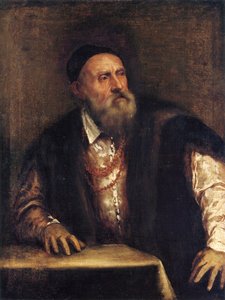
Tiziano Vecellio
1490 - 1576 , Itálie
Rychlé informace o umělci
- Artistic Movement Or Style: Benátská malba
- Artists Or Movements Influenced By This Artist:
- Rubens
- Delacroix
- Artists Who Influenced This Artist:
- Giovanni Bellini
- Giorgione
- Date Of Birth: c. 1490
- Date Of Death: 1576
- Full Name: Tiziano Vecellio
- Nationality: Italijský
- Notable Artworks:
- Bacchus a Ariadne
- Venere di Urbino
- Place Of Birth: Pieve di Cadore, Itálie
Související články

The Golden Light of Innovation: Exploring the Venetian Renaissance Art Movement (1430–1580)
Explore the Golden Age of Venetian art (1430–1580). Discover Giorgione, Titian & Tintoretto's techniques, the 'colorito' revolution, and lasting influence. Expert insights for collectors & enthusiasts.

Mastering Color and Light: The Timeless Brilliance of Titian's Venetian Masterpieces
Explore the luminous mastery of Titian. Discover how the Venetian master revolutionized color and light through breathtaking Renaissance techniques, from Venus Anadyomene to profound allegories, and learn to bring this timeless brilliance into your private collection.

Venetian Renaissance: The Mastery of Color, Light, and the Art of Colorito
Explore the luminous mastery of the Venetian Renaissance. Discover how masters like Titian and Giorgione revolutionized art through colorito, light, and atmosphere. An expert guide to the golden age of Italian painting for collectors and enthusiasts.

Titian: Innovation, Technique & the Venetian Renaissance Portrait Tradition
Explore the revolutionary techniques & enduring legacy of Titian, the master of Venetian Renaissance portraiture. Discover insights for collectors & appreciate his impact on art history.

The Enduring Legacy of Oil on Canvas: Technique, History & Aesthetic Impact
Explore the rich history & techniques of oil painting – from Renaissance masters to Impressionism. Discover pigments, layering methods, and why this timeless medium endures. Expert insights for artists & art enthusiasts.


