


 Zobrazit v interiéru
 Odeslat
 Sdílet
 Podrobnosti
 Průvodce

 Stáhnout obrázek
 Podobné kousky
 Rentgenové snímky
 Slideshow
 Statistiky
Profane Love (Vanity)


 Přečíst si více
Giclée / Umělecký tisk
Giclée nebo plátěný tisk muzeální kvality s rychlou výrobou a širokou nabídkou povrchových úprav. ( Objednat ručně malovanou reprodukci Přepnout na digitální verzi obrazu)




P118B Kč10

P118H Kč10

P118W Kč10

P438Z Kč10

P508JH Kč12

P508YH Kč12

P805H Kč10

P805Z Kč10

P919BZ Kč10

P919G Kč10

P919XJ Kč10

P959ZH Kč10

P968JZ Kč12

W106C Kč8

W218G Kč10

W218JH Kč8

W218Y Kč10

W307PJ Kč10

W316G Kč10

W316PJ Kč8

W316Y Kč10

W398PJ Kč8

W4111J Kč10

W500HY Kč15

W500JH Kč15

W692G Kč12

W849H Kč8

W940BG Kč15

W953PJ Kč8




Vyberte si z našich přednastavených velikostí, které odpovídají původním proporcím díla.

Zadejte šířku a výšku, které potřebujete pro váš rám nebo stěnu. Tisk lze pouze oříznout, nikdy však nelze zvětšit obraz nad jeho původní rozměr, proto při výběru jiného formátu dochází ke ztrátě části obrazu. Před samotným tiskem vám zašleme digitální náhled k schválení. Obraz zobrazený na této stránce nenabízí skutečný výřez — ten uvidíte pouze v náhledu.
Celosvětové doručení () do 2 týdnů namísto standardních 4/5 týdnů. (23 říjen)

Zdarma celosvětová expresní doprava

Vysoce kvalitní lněné plátno

Úplné pojištění přepravy

Záruka vrácení celního poplatku

Záruka věrného barevného shodu

100dení lhůta pro vrácení zboží (pouze při vadách výroby)

100% garance vrácení peněz

Sleva při více objednávkách
 Skleněná varianta je dostupná pouze u rozměrů menších než 110 cm

Profane Love (Vanity)
Giclée / Umělecký tisk
Velikost reprodukce
-


Celková cena
Kč 1373
The Allure of the Unresolved: Titian's Masterpiece
Titian’s Sacred and Profane Love, painted in 1514 during the artist’s formative years, isn’t merely a portrait; it’s an invitation to a profound meditation on desire, mortality, and the very nature of love itself. Commissioned for the wedding celebration of Niccolò Aurelio, a secretary within Venice's powerful Council of Ten, the painting immediately captivated viewers with its arresting composition and enigmatic figures. Yet, beyond the initial visual impact lies a complex web of symbolism that has fueled centuries of debate among art historians – a testament to Titian’s genius and his willingness to challenge conventional representations.
The scene unfolds within a meticulously rendered Roman sarcophagus, transformed into an unexpected water trough. Two women, their identities deliberately obscured, occupy this liminal space, seemingly adrift between the earthly and the divine. One, draped in luxurious fabrics and adorned with jewels, embodies the sensual pleasures of worldly love – a vibrant celebration of beauty and indulgence. Her pose is relaxed, almost languid, suggesting an enjoyment of the present moment. The other woman, starkly nude and holding a torch, represents a more austere form of devotion, perhaps hinting at spiritual purity or even mourning. The contrast between these two figures immediately establishes a tension—a dialogue between earthly desires and higher aspirations.
A Symphony of Color and Technique
Titian’s mastery of color is instantly apparent in Sacred and Profane Love. He employs a rich, velvety palette – deep reds, blues, and greens – that imbues the scene with an almost palpable sense of warmth and luxury. His brushwork is loose and expressive, characteristic of his mature style, yet remarkably controlled, particularly in the rendering of the fabrics and the subtle gradations of light and shadow. The use of *sfumato*, a technique perfected by Titian himself, creates a hazy, atmospheric effect that softens the edges of the figures and blurs the boundaries between reality and illusion.
Technically, the painting demonstrates a shift in Titian’s approach. While earlier works showcased his meticulous detail and precise rendering, here we see a move towards greater spontaneity and emotional intensity. The background landscape—a dramatic vista of mountains, shepherds, and a distant church—is painted with broad, confident strokes, creating a sense of depth and perspective that anchors the figures within their environment. The inclusion of classical motifs – the sarcophagus, the Roman ruins – further reinforces the painting’s connection to Renaissance ideals of beauty, harmony, and intellectual inquiry.
Decoding the Symbols: A Layered Narrative
The symbolism embedded within Sacred and Profane Love is notoriously complex and open to interpretation. The sarcophagus itself—a symbol of death and transition—suggests a contemplation of mortality and the fleeting nature of earthly pleasures. The water flowing from the spout, nourishing a plant, could represent fertility, renewal, or even the cyclical nature of life and death. The cherubic figure swirling the water adds to this sense of mystery, hinting at divine intervention or perhaps simply the playful spirit of youth.
- The Women: Often interpreted as representing different aspects of love – earthly passion versus spiritual devotion.
- The Torch: Symbolizes enlightenment, guidance, and potentially a warning against worldly temptations.
- The Sarcophagus: Represents the passage from life to death, prompting reflection on mortality and legacy.
- The Landscape: A complex tapestry of classical and biblical imagery, suggesting themes of virtue, sin, and redemption.
Interestingly, the painting’s title itself—*Sacred and Profane Love*—is debated. Some scholars believe it reflects the dual nature of love as both a divine gift and a source of earthly desire. Others argue that it simply represents two different types of love – one based on physical attraction and the other on spiritual connection. The painting’s enduring appeal lies in its refusal to offer easy answers, inviting viewers to engage in their own interpretations.
A Timeless Reflection on Human Experience
Sacred and Profane Love remains a profoundly moving work of art, captivating audiences with its beauty, mystery, and emotional depth. It’s more than just a portrait; it's a meditation on the complexities of human experience—a reminder that love takes many forms and that even in moments of pleasure, we are inevitably confronted with the shadow of mortality. Its enduring power lies not only in Titian’s technical brilliance but also in his ability to capture the essence of our deepest desires and anxieties.
Otázky a odpovědi
V jakém věku vytvořil/a Tiziano Vecellio dílo „Profane Love (Vanity)"?
Tiziano Vecellio vytvořil/a dílo „Profane Love (Vanity)“ v возрасте 24 let. Umělec se narodil/a v 1490 a dílo je datováno na 1514.
Co má dílo „Profane Love (Vanity)“ společného se zbytkem tvorby umělce Tiziano Vecellio?
„Profane Love (Vanity)“ patří k dílu Tiziano Vecellio v rámci směru Renaissance Italian Painting, jehož typická témata zahrnují venetian colorism, renaissance love, courtly romance, symbolic imagery, titian’s vision.
S jakým pocitem je spojeno dílo "Profane Love (Vanity)"?
Emocionální náboj zaznamenaný u díla „Profane Love (Vanity)“ od Tiziano Vecellio je Mysterious. Tento údaj shrnuje pocity, které toto dílo vyjadřuje.
Související díla


Biografie umělce
The Venetian Titan: A Life in Color and Canvas
Tiziano Vecellio, známý pod jménem Titian, představuje monumentální postavu italského Renesansu – možná jeho nejvýznamnější kolorista a mistr, který definoval možnosti malby olejem. Narodil se kolem roku 1490 v Pieve di Cadore, zasazené do dramatických krajin veneta Alp, jeho cesta od skromných začátků k mezinárodnímu uznání je důkazem neuvěřitelného talentu a neochvějné oddanosti umělecké inovacii. Detaily o Titianově raném životě zůstávají částečně zahalené v závoji tajemství, ale víme, že byl jedním z několika dětí narozených Gregoriovi Vecelliovi, vojákovi, a Lucie. Rodina proto uspořádala, aby Tiziano i jeho bratr Francesco byli učni u umělce ve Verceli – rozhodnutí, které neodmyslitelně změnilo chod historie umění. Veneza na přelomu 16. století byla pulzující obchodním, kulturním a uměleckým centrem. Titianův počáteční výcvik probíhal v dílnech Sebastiana Zuccata, mozaikovce, následně krátkodobě pod vedením Gentile Belliniho a především jeho bratra Giovanniho. Ale to spojenectví s Giorgione – umělcem, jehož práce vykazovala éterickou poezii – se ukázalo jako nejvlivnější. Ti dva spolupracovali na několika projektech, včetně vnějších fresk pro Fondaco dei Tedeschi, rušný obchodní dům pro německé obchodníky. I v těchto raných dílech byl Titianův výjimečný talent patrný, získal si uznání mezi svými soudnými umělci a předzvěst blížící se geniality.A Master's Evolving Style
Titianova umělecká tvorba se dá charakterizovat pozoruhodnou rozmanitostí a neustálou snahou o malířské techniky. Jeho rané díla, silně ovlivněná Giorgione, vykazují jemnou lyrickou atmosféru a mistrné používání barev k vytváření atmosférických efektů. Malby jako *A Man with a Quilted Sleeve* (kolem roku 1509) demonstrují jeho rostoucí talent pro portrétování, zachycující nejen fyzické podobnosti svých subjektů, ale i jejich vnitřní charakter. Jak s postupoval, Titian začal odklánět se od Giorgioneových jemných tónů a přijmout odvážnější, dramatickou přístup k barvě. *The Visitation of Mary and Elizabeth* (nyní v Accademia ve Verceli) ukazuje jeho rostoucí jistotu při zachycování složitých kompozic a živé barevnosti. Během svého dlouhého života neustále rozvíjel hranice uměleckého vyjádření. Experimentoval s různými štětcovými pohyby – od hladkých, splečených povrchů po volné, expresivní značky – a vyvinul jedinečnou techniku vrstvení barev k vytváření luminózních efektů. Jeho portréty se staly proslulé svou psychologickou hloubkou a realistickým zobrazením textur a látek. Současně vynikal v malbě mytologických a náboženských témat, obohacoval je o sexualitu a dramatický intenzitní efekt, který okouzlil publikum. Primárním příkladem je *Venus of Urbino*, mistrovské dílo, které definovalo zobrazení ženské nude a etablovalo Titiana jako vedoucí postavu ve venetské malbě.Patronage, Prestige, and Lasting Influence
Titianův talent přilákal pozornost mocných mecenášů po celé Evropě. Byl dvorním malířem císaře Karla V., krále Filipa II. Španělského a papeže Pavla III. mezi dalšími. Tato mecenátská podpora mu nejen zajistila finanční zabezpečení, ale také mu umožnila vytvářet monumentální díla, která ukazovala jeho uměleckou genialitu na velkém měřítku. Jeho schopnost přizpůsobit svůj styl vkusu různých dvorních kruhů a zároveň si zachovat vlastní jedinečný hlas je důkazem jeho mimořádného talentu a diplomatické zručnosti. Titian zemřel ve Verceli v roce 1576 během epidemie moru. Jeho díla jsou k nalezení v muzeích po celém světě, včetně Galleria Palatina ve Florencii, Prado muzea v Madridu a National Gallery v Londýně. K ochutnávce Titiana je nutné navštívit Scuola del Santo ve Padově a San Salvador ve Verceli, kde se nacházejí jeho dechberoucí fresky.Exploring Further
- Museums & Collections: Discover Titian’s works at the Scuola del Santo in Padua and San Salvador in Venice, both showcasing his breathtaking frescoes.
- Related Artists: Explore the influence of Giorgione on Titian's early style and the later impact of Titian on artists like Rubens and Delacroix.
- Historical Context: Immerse yourself in the world of the Italian Renaissance and Venetian painting to fully appreciate Titian’s artistic achievements.
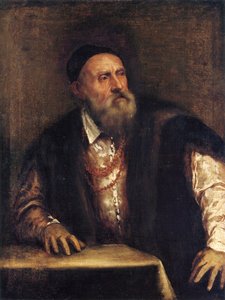
Tiziano Vecellio
1490 - 1576 , Itálie
Rychlé informace
- Artistic Movement Or Style: Benátská malba
- Artists Or Movements Influenced By This Artist:
- Rubens
- Delacroix
- Artists Who Influenced This Artist:
- Giovanni Bellini
- Giorgione
- Date Of Birth: c. 1490
- Date Of Death: 1576
- Full Name: Tiziano Vecellio
- Nationality: Italijský
- Notable Artworks:
- Bacchus a Ariadne
- Venere di Urbino
- Place Of Birth: Pieve di Cadore, Itálie
Související články
25 Mistrovských Děl Národní Galerie Umění ve Washingtonu | Inspirace pro Váš Domov
Objevte 25 ikonických děl Národní galerie umění ve Washingtonu! Prozkoumejte příběhy Cézanna, Matisse a Picassa. Inspirace pro váš interiér s reprodukcemi obrazů nejvyšší kvality na AllPaintingsStore.com.

Titian: Innovation, Technique & the Venetian Renaissance Portrait Tradition
Explore the revolutionary techniques & enduring legacy of Titian, the master of Venetian Renaissance portraiture. Discover insights for collectors & appreciate his impact on art history.

25 Mistrovských Děl Národní Galerie v Londýně: Umění pro Váš Domov | AllPaintingsStore
Prozkoumejte 25 ikonických děl Národní galerie v Londýně! Obrazy Van Gogha, Moneta, Rembrandta a dalších mistrů. Historie umění, techniky a inspirace pro váš interiér. Reprodukce obrazů nejvyšší kvality na AllPaintingsStore.com

Top 10 uměleckých děl evokujících hluboké romantické emoce | AllPaintingsStore.cz
Prozkoumejte 10 ikonických uměleckých děl, které vyjadřují hluboké romantické emoce. Objevte příběhy Moneta, Renoir a dalších mistrů. Luxusní reprodukce obrazů pro váš interiér na AllPaintingsStore.com!

The Enduring Motif of Love in Art History: A Cross-Cultural Exploration of Representation and Emotion
Explore the rich history of love in art! Discover iconic masterpieces, artistic techniques & cultural symbolism from antiquity to modern times. Expert analysis for collectors.


