


 Náhled v interiéru

 Sdílet
 Sdílet
 Podrobnosti o díle
 Průvodce


 Stáhnout
 Podobné položky
 Rentgenové snímky
 Slideshow
 Otázky a odpovědi
 Statistiky
Trent

- 90.0 x 118.0cm

 Zobrazit více
Giclée / Umělecký tisk
Giclée nebo plátěný tisk muzeální kvality s rychlou výrobou a širokou nabídkou povrchových úprav. ( Koupit ručně malovaný obraz Přepnout na digitální obraz)
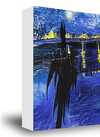
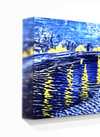
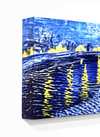
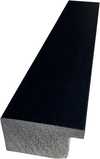
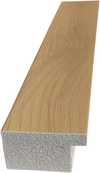
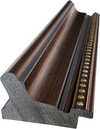
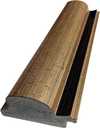
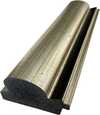
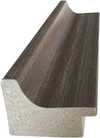
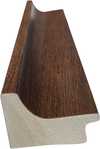
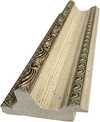
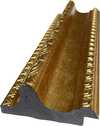
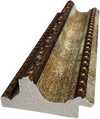
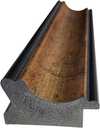
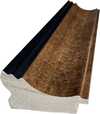
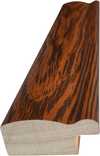
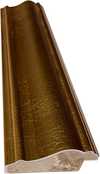
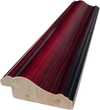
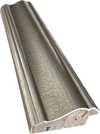
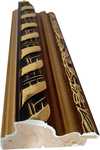
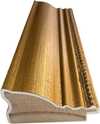
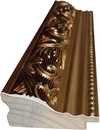
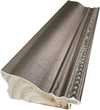
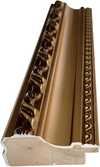
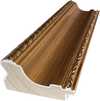
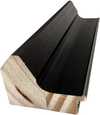
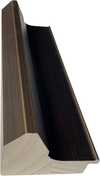
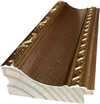
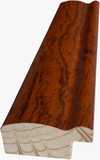
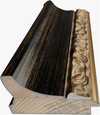
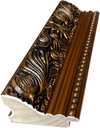
Vyberte si z našich přednastavených velikostí, které odpovídají původním proporcím díla.

Zadejte šířku a výšku, které potřebujete pro váš rám nebo stěnu. Tisk lze pouze oříznout, nikdy však nelze zvětšit obraz nad jeho původní rozměr, proto při výběru jiného formátu dochází ke ztrátě části obrazu. Před samotným tiskem vám zašleme digitální náhled k schválení. Obraz zobrazený na této stránce nenabízí skutečný výřez — ten uvidíte pouze v náhledu.
Celosvětové doručení () do 2 týdnů namísto standardních 4/5 týdnů. (18 listopad)

Zdarma celosvětová expresní doprava

Vysoce kvalitní lněné plátno

Kompletní pojištění přepravy

Záruka vrácení celního poplatku

Záruka věrného barevného souladu

100dení lhůta pro vrácení zboží (pouze při vadách výroby)

100% záruka vrácení peněz

Sleva při více objednávkách
 Skleněná varianta je dostupná pouze u rozměrů menších než 110 cm

Trent
Giclée / Umělecký tisk
Rozměry reprodukce
-


Celková cena za vybrané možnosti reprodukcí
Kč 1408
Podobná díla


Biografie umělce
Patrons, Workshop and Commissions
Rottmann’s life was closely tied to the Bavarian court. He spent much of his time teaching drawing to those within the royal circle, including his cousin, Princess Therese of Bavaria. His influence extended to the education of Crown Prince Ludwig, who would later become King Ludwig II of Bavaria. This connection led to a specific commission in 1861, when the Crown Prince asked him to design the scenery and costumes for a production of Lohengrin by Richard Wagner. His teaching also reached beyond Munich, as he served as the drawing teacher for King Otto of Greece and Prince Luitpold.
The Bavarian court provided significant work for him through large-scale watercolor cycles. In 1854 and 1858, he received two major commissions to produce these works, which focused on the hunting grounds of Maximilian II and views of the Tyrolean, Swiss, and Bavarian Alps. These pieces were eventually acquired by the royal copperplate engraving collection, known today as the Graphic Collection in Munich. His long-standing relationship with the monarchy was formalized in 1868 when he was named court painter.
Technique and Style
Leopold Rottmann found his most natural expression in watercolors. While his approach was rooted in Naturalism, his hand often followed the patterns of Classically trained painters. The influence of Joseph Anton Koch and Friedrich Preller the Elder is visible in how he structured his landscapes. He did not seek the sharp, rigid lines found in the work of his brother, Carl. Instead, he rendered the textures of rocks and the edges of trees with a softer, more blurred quality. This choice allowed for a gentler transition between the elements of the landscape.
As his practice evolved, his focus shifted toward the way light moves across a scene. His later watercolors show a growing preoccupation with the natural appearance of light and how it settles on the land. This change in observation brought a shift in his palette. His earlier works leaned heavily on greens, blues, and yellow-green tones. In his later years, these colors gave way to a predominance of brown tones, creating a different atmosphere in his compositions.
Key Works
His early output often focused on the rugged terrain of the Alps. In 1834, he produced Der Untersberg von Berchtesgaden aus gesehen, a work that emerged from his studies of the Bavarian and Salzburg mountains. Around 1830, he painted Königssee mit dem Einschiffungsplatz, capturing the specific atmosphere of the lakeside landing area. This interest in the water and the surrounding peaks continued in later compositions such as Am Königssee and Am Vierwaldstätter See.
The artist also turned his attention to different landscapes and specific geological features. His 1837 work Dalmatinische Küstenlandschaft shows a departure from the alpine settings toward the coastal views of the Adriatic. Other notable pieces include Aus dem Inntal and Barmsee mit der Zugspitze, which reflect his continued engagement with the natural forms of the mountains and the way light settles upon them.

Leopold Rottmann
1812 - 1881 , Germany
Rychlé informace o umělci
- Artistic Movement Or Style: Naturalist, Romanticism
- Artists Who Influenced This Artist:
- Joseph Anton Koch
- Friedrich Preller the Elder
- Full Name: Leopold Rottmann
- Nationality: German
- Notable Artworks:
- Am Königssee
- Am Vierwaldstätter See
- Aus dem Inntal
- Barmsee mit der Zugspitze
- Schloßhof von Hohenschwangau
- Place Of Birth: Heidelberg, Germany
- Date Of Birth: 1812
- Date Of Death: 1881