


 Zobrazit v interiéru
 Odeslat
 Sdílet
 Podrobnosti
 Průvodce

 Stáhnout obrázek
 Podobné kousky
 Rentgenové snímky
 Slideshow
 Statistiky
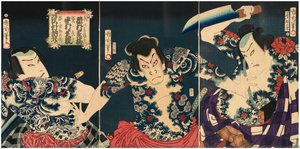
Shintomiza Joruri, Constitution Festival Picture


 Přečíst si více
Ručně malovaná olejová reprodukce
Ručně malované olejné plátno v libovolném rozměru i s rámem, vyrobené našimi umělci na zakázku. ( Přepnout na tiskové verze Přepnout na digitální verzi obrazu)




































Vyberte si z našich přednastavených velikostí, které odpovídají původním proporcím díla.

Můžete zadat vlastní rozměry pro konkrétní rám nebo prostor. Pokud se vámi vybraná velikost neshoduje s proporcemi původního obrazu, dílo buď ořízneme, nebo jej doplníme ručně malovanými prvky. Před zahájením výroby vám bude zaslán digitální náhled ke schválení.
Upozorňujeme, že náhled na obrazovce neodpovídá skutečnému ořezu ani rozšíření. Pouze digitální náhled přesně zobrazí finální kompozici.
Ačkoliv je možné zvolit vlastní velikost, pro zachování původních proporcí doporučujeme vybrat rozměr z předdefinovaného seznamu.
Po přijetí objednávky vám tým AllPaintingsStore.com zašle e-mail s pokyny a poskytne náhledovou verzi.
Celosvětová doprava () za 3–4 týdny namísto standardních 5 týdnů. (21 září). Bez kompromisů v kvalitě.

Zdarma celosvětová expresní doprava

Vysoce kvalitní lněné plátno

Úplné pojištění přepravy

Záruka vrácení celního poplatku

Záruka věrného barevného shodu

100dení lhůta pro vrácení zboží (pouze při vadách výroby)

100% garance vrácení peněz

Sleva při více objednávkách
 Skleněná varianta je dostupná pouze u rozměrů menších než 110 cm

Shintomiza Joruri, Constitution Festival Picture
Technika provedení
Velikost reprodukce
-


Celková cena
$ 358
Související díla




Biografie umělce
Utagawa Kunimasa: A Master of Edo Period Drama and Elegance
Utagawa Kunimasa (歌川 国政; 1773 – December 26, 1810) stands as a pivotal figure in the history of Japanese ukiyo-e art, specifically within the influential Utagawa school. Born in Aizuwakamatsu, Iwashiro Province, Kunimasa’s artistic journey began humbly—working initially in a dye shop—before attracting the mentorship of Utagawa Toyokuni, arguably the most celebrated artist of his time. This formative relationship profoundly shaped Kunimasa's distinctive style, characterized by an ambitious synthesis of Sharaku’s dramatic intensity and Toyokuni’s refined decorative sensibilities.Early Life and Artistic Formation
Kunimasa’s early life was marked by a dedication to craftsmanship and artistic training. His apprenticeship under Toyokuni wasn’t merely about technical skill; it instilled in him an understanding of the broader aesthetic goals of ukiyo-e—to capture fleeting moments of beauty and emotion with unparalleled precision. Toyokuni's influence ensured Kunimasa wouldn’t simply replicate his mentor’s style but would forge a path toward originality, blending stylistic elements into a cohesive artistic vision. This careful guidance established the groundwork for Kunimasa’s future accomplishments.A Distinctive Artistic Style
Kunimasa’s artistic signature is instantly recognizable: a masterful command of color and composition that elevates ukiyo-e prints beyond mere depictions to immersive experiences. Critics debate whether he fully achieved Sharaku's visceral impact, yet Kunimasa undeniably succeeded in conveying dynamism and psychological depth—traits that distinguish his oeuvre from many contemporaries. His use of bold hues and carefully orchestrated perspectives created a palpable sense of drama, particularly evident in his yakusha-e portraits and bijin-ga paintings. He skillfully employed techniques like gradation shading and meticulous detail to imbue his subjects with life and emotion. This innovative approach cemented Kunimasa’s reputation as a visionary artist.Notable Works: Kabuki Actors and Beautiful Women
Kunimasa’s artistic output produced several iconic pieces that continue to captivate audiences today. Among the most celebrated are his yakusha-e portraits of Kabuki actors, notably Sawamura Sojuro III as Kiyomori (Beauty in Snow), which exemplifies his ability to capture the essence of theatrical performance—the subtle expressions and gestures conveying profound emotion. Similarly, his bijin-ga paintings showcase an exquisite appreciation for feminine beauty, portraying women with grace and sophistication. The Shintomiza Joruri, Constitution Festival Picture is another remarkable achievement, demonstrating Kunimasa’s talent for capturing complex narratives within a single image. These works stand as testament to his artistic prowess and enduring legacy.Legacy and Influence
Utagawa Kunimasa's influence extends far beyond his own lifetime. He served as an inspiration to subsequent generations of ukiyo-e artists who embraced his stylistic innovations—a harmonious blend of intensity and elegance—solidifying his place as one of the Utagawa school’s foremost masters. His meticulous attention to detail, combined with a profound understanding of theatrical conventions and visual storytelling, established standards that continue to resonate within Japanese art history. Today, Kunimasa's works reside in prestigious museums worldwide, guaranteeing his enduring legacy as a cornerstone of Edo period artistic achievement.
Utagawa Kunimasa
1773 - 1810 , Japonsko
Rychlé informace
- Artistic Movement Or Style: Utagawa škola
- Artists Or Movements Influenced By This Artist: ['Sharaku']
- Artists Who Influenced This Artist: ['Toyokuni']
- Date Of Birth: 1773
- Date Of Death: 1810
- Full Name: Utagawa Kunimasa
- Nationality: Japonský
- Notable Artworks:
- Kat Theatre
- Beauty in Snow
- Shintomiza Joruri
- Place Of Birth: Aizuwakamatsu, Japonsko
Související články

Floating World Wonders: A Definitive Guide to the Captivating Beauty of Ukiyo-e Art
Embark on a visual journey through the ephemeral beauty of Ukiyo-e. Discover the masters of the floating world, from dynamic warriors to Kabuki legends, and explore the profound cultural legacy of Japanese woodblock printing in this expert guide for art enthusiasts.

Ukiyo-e: Exploring Japan's Floating World & Enduring Artistic Legacy
Explore the captivating world of Ukiyo-e – Japan's iconic woodblock prints! Discover masters like Hokusai & Hiroshige, learn about Edo period culture, and find expert art collecting guidance at AllPaintingsStore.
The Enduring Legacy of Woodblock Printmaking: Technique, History & Artistic Expression
Explore the rich history of woodblock printmaking – from ancient techniques to Ukiyo-e masterpieces. Discover expert insights on collecting, preserving & appreciating this enduring art form.

Ukiyo-e: The Art of the Floating World and the Legacy of Japanese Woodblock Masters
Explore the profound history of Ukiyo-e, from Hokusai's iconic waves to the vibrant culture of Edo Japan. Discover the intricate craft of woodblock printing and the enduring legacy of these Japanese masterpieces through our expert art history guide.

Katsushika Hokusai: 25 mistrovských děl japonského umění pro váš interiér | AllPaintingsStore.com
Prozkoumejte 25 ikonických děl japonského mistra Katsushiky Hokusaiho! Objevte příběhy za Velkou vlnou, 36 pohledů na horu Fuji a další ukiyo-e tisků. Kvalitní reprodukce obrazů pro váš interiér na AllPaintingsStore.com.

