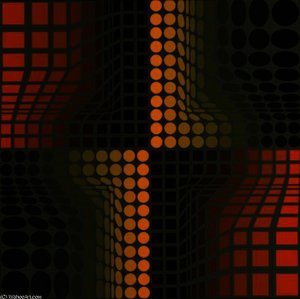
Acrylic On Canvas.

§ 1Catalogue data


Toto umělecké dílo je chráněno autorským právem
Umělecké dílo zobrazené na této stránce je chráněno autorským zákonem, což znamená, že nemůžeme legálně vytvářet ani prodávat jeho identickou reprodukci. Tato ochrana je vymáhána na základě mezinárodních dohod, jako například Berberská úmluva a národními zákony, včetně těch stanovených v Americký autorský zákon – Díl 17. Všechna práva vyhrazena.
Jako etická a právní alternativa nabízíme vlastní, ručně malovaná umělecká díla inspirovaná originálem. Naši zdatní a profesionální umělci si pečlivě studují styl, náladu a uměleckou podstatu originálu, aby vytvořili nové, jedinečné dílo, které vyvolává stejný pocit – přičemž zůstává samostatným originálním tvůrčím dílem.
Tato metoda je plně v souladu s autorským právem, protože nezahrnuje kopírování ani duplikování chráněného díla. Jde o kreativní reinterpretaci – nový obraz, který je inspirován originálem, ale není s ním identický.
 Více informací
§ 2Abstract
Popis sbírného předmětu
Vibrant abstract composition by Victor Vasarely, a key figure in Op Art, showcases dynamic geometric shapes and bold colors – yellow, orange, blue, and purple. Explore this captivating kinetic artwork and bring its visual energy into your space.
Biografie umělce
Victor Vasarely (1906-1997) byl průkopníkem Op Artu a kinetického umění. Jeho geometrické abstrakce, optické iluze a inovativní design ovlivnily moderní umění a grafiku.
§ 3Commentary
A Symphony of Geometric Perception: Exploring Victor Vasarely’s ‘Abstract Composition 6’
Victor Vasarely's “Abstract Composition 6” is more than just a colorful painting; it’s an invitation to reconsider the very nature of visual perception. Created by one of the foremost figures in Op Art, this vibrant work embodies the artist’s lifelong fascination with geometry and its impact on how we experience the world. Painted primarily in a dynamic palette of yellows, oranges, blues, and purples, the composition immediately draws the eye into a mesmerizing dance of shapes and patterns – triangles, squares, circles, and more – meticulously arranged to create an illusion of movement and depth. This isn't simply decorative art; it’s a rigorously constructed exploration of optical illusions, reflecting Vasarely’s deep engagement with scientific principles and his desire to translate mathematical concepts into tangible artistic forms.
The Genesis of Op Art: Bauhaus Roots and Kinetic Vision
Born in 1906 in Pécs, Croatia (then part of Austria-Hungary), Vasarely’s artistic trajectory began unexpectedly. Initially pursuing a medical degree, he abandoned this path in 1927 to embrace painting, ultimately finding his true calling within the burgeoning movement of Op Art – Optical Art. This pivotal shift was profoundly influenced by his studies at Sándor Bortnyik’s “Műhely” workshop, a school deeply rooted in the principles of functional design and geometric abstraction championed by the Bauhaus. The Bauhaus, with its emphasis on reducing form to its essential elements and exploring the relationship between art and industry, provided Vasarely with the theoretical framework for his groundbreaking work. He wasn't merely creating abstract images; he was attempting to capture the *effect* of visual perception – the way our eyes and brains interpret shapes and colors – a concept that would become central to Op Art’s success.
Technique and Illusion: A Masterclass in Visual Deception
Vasarely's technique was remarkably precise, relying on meticulous layering and the careful manipulation of color and scale. He employed a method he termed “static illusion,” creating the impression of movement through precisely controlled geometric forms. The seemingly random arrangement of shapes is, in fact, a carefully calculated system designed to trick the eye. Each element is rendered with exceptional clarity, contributing to the overall sense of depth and dynamism. The use of contrasting colors further enhances this effect, guiding the viewer’s gaze across the canvas and reinforcing the illusion of movement. This technique demanded not just artistic skill but also a deep understanding of optics and visual psychology – qualities that Vasarely possessed in abundance.
Symbolism and Emotional Resonance: Beyond Pure Geometry
While rooted in geometric abstraction, “Abstract Composition 6” possesses an undeniable emotional resonance. The vibrant colors evoke feelings of energy, excitement, and perhaps even a sense of wonder. Vasarely’s work isn't about representing the external world; it’s about exploring the internal landscape of perception itself. The dynamic composition can be interpreted as a reflection of the constant flux and change inherent in our experience – a visual representation of the ever-shifting patterns of thought and emotion. The piece invites contemplation on how we actively construct our reality through our sensory perceptions, making it a powerful statement about the subjective nature of vision.
Otázky a odpovědi
Využívá „Abstract composition 6“ od Victor Vasarely výrazné kontrasty, nebo jemné harmonie?
Barevná kompozice díla „Abstract composition 6“ od Victor Vasarely spojuje Statement kontrast s Discordant Palette harmonií.
Jaké téma a atmosféru spojuje dílo „Abstract composition 6“ od Victor Vasarely?
„Abstract composition 6“ od Victor Vasarely zachycuje abstract art, geometric shapes, color field, op art, victor vasarely, visual perception, dynamic design v Calm náladě. Předmět a atmosféra dohromady definují toto dílo.
Jaká je doporučená velikost tisku pro „Abstract composition 6“ od Victor Vasarely?
Doporučená velikost tisku pro dílo „Abstract composition 6“ od Victor Vasarely je Large.


 Přepnout na tisk


 U děl nebo reprodukcí, u nichž je jakákoliv strana větší než 105 cm (přibližně 41 palců), bude rám dodán jako sestava v rozloženém stavu. Tato metoda zajišťuje bezpečné doručení a chrání dílo před poškozením během přepravy.