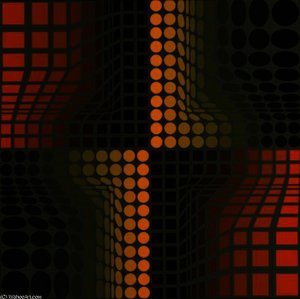
Akryl na plátně.

§ 1Catalogue data

Toto umělecké dílo je chráněno autorským právem
Umělecké dílo zobrazené na této stránce je chráněno autorským zákonem, což znamená, že nemůžeme legálně vytvářet ani prodávat jeho identickou reprodukci. Tato ochrana je vymáhána na základě mezinárodních dohod, jako například Berberská úmluva a národními zákony, včetně těch stanovených v Americký autorský zákon – Díl 17. Všechna práva vyhrazena.
Jako etická a právní alternativa nabízíme vlastní, ručně malovaná umělecká díla inspirovaná originálem. Naši zdatní a profesionální umělci si pečlivě studují styl, náladu a uměleckou podstatu originálu, aby vytvořili nové, jedinečné dílo, které vyvolává stejný pocit – přičemž zůstává samostatným originálním tvůrčím dílem.
Tato metoda je plně v souladu s autorským právem, protože nezahrnuje kopírování ani duplikování chráněného díla. Jde o kreativní reinterpretaci – nový obraz, který je inspirován originálem, ale není s ním identický.
 Více informací
§ 2Abstract
Popis sbírného předmětu
Poznejte fascinující svět Viktora Vasarelyho (1906-1997)! Objevte jeho geometrické abstrakce, optické iluze a nezapomenutelný vliv na moderní umění a výzdobu.
Biografie umělce
Victor Vasarely (1906-1997) byl průkopníkem Op Artu a kinetického umění. Jeho geometrické abstrakce, optické iluze a inovativní design ovlivnily moderní umění a grafiku.
§ 3Commentary
Dyevat – Viktor Vasarely: Geometry as Illusion
Victor Vasarely’s “Dyevat” (meaning ‘dye’ in Hebrew) is more than just a visually striking composition; it's a testament to the revolutionary spirit of Op Art and a cornerstone of twentieth-century abstraction. Painted sometime between 1963 and 1964, this artwork embodies Vasarely’s unwavering dedication to exploring how perception itself can be manipulated through geometric forms—a pursuit that cemented his place as one of the most influential artists of his era.- Subject Matter: The painting presents a deceptively simple arrangement of circles and squares. These shapes aren't randomly placed; they are meticulously positioned to create an illusion of movement and depth, defying conventional visual representation.
- Style: Vasarely’s style is undeniably Op Art – Optical Art – which emerged in the mid-1960s as a reaction against representational art. Artists like Vasarely aimed to stimulate sensory perception by exploiting optical illusions, challenging viewers' assumptions about how they see the world.
- Technique: Executed with acrylic paint on canvas, “Dyevat” showcases Vasarely’s mastery of precise execution and meticulous attention to detail. The colors—primarily reds, purples, blues, greens, yellows, oranges, and blacks—are applied in a manner that maximizes their visual impact, creating vibrant gradients and shimmering surfaces.
Historical Context – The Bauhaus Legacy and the Rise of Kinetic Art
Vasarely’s artistic vision was profoundly shaped by his formative years at the Bauhaus school in Weimar, Germany. This avant-garde institution championed functional design and geometric abstraction—principles that directly influenced Vasarely's approach to artmaking. Furthermore, “Dyevat” aligns with a broader trend toward kinetic art – artworks designed to produce movement or illusion of movement. Artists like Vasarely sought to engage viewers actively, prompting them to question their perceptions and experience the artwork as something more than just static decoration.Symbolism & Perception – Challenging Reality
The geometric shapes in “Dyevat” aren’t merely decorative elements; they represent a deliberate attempt to disrupt our habitual ways of seeing. Circles, often associated with unity and completeness, juxtaposed against squares—symbols of stability and order—create tension within the composition. This interplay reflects Vasarely's belief that art can provoke contemplation about the nature of reality itself. The artist’s goal wasn’t to depict a specific scene or subject but rather to explore the fundamental processes underlying visual perception.Emotional Impact – Tranquility Amidst Complexity
Despite its intricate geometric patterns, “Dyevat” possesses an unexpected serenity. The carefully balanced colors and harmonious arrangement contribute to a feeling of calm contemplation—a counterpoint to the dynamism inherent in Op Art’s illusionistic effects. Vasarely's work invites viewers to immerse themselves in a visual experience that transcends mere observation, fostering a sense of wonder and prompting reflection on the relationship between form and perception. It remains an enduring symbol of modernist artistic innovation and continues to inspire designers and artists alike.Otázky a odpovědi
Jsou barvy díla „Dyevat“ od Victor Vasarely živé, nebo tlumené?
Dílo „Dyevat“ od Victor Vasarely je zachyceno s Vyvážená jemná saturací a Vyvážené intenzitou.
S jakým pocitem je spojeno dílo "Dyevat"?
„Dyevat“ od Victor Vasarely vyzařuje Poklidný emocionální náboj.
Patří „Dyevat“ od Victor Vasarely mezi vyhledávaná díla směru Optical Illusion Art?
V rámci směru Optical Illusion Art má dílo „Dyevat“ úroveň popularity Uznávaní.



 Přepnout na tisk


 U děl nebo reprodukcí, u nichž je jakákoliv strana větší než 105 cm (přibližně 41 palců), bude rám dodán jako sestava v rozloženém stavu. Tato metoda zajišťuje bezpečné doručení a chrání dílo před poškozením během přepravy.