

Acrylic On Canvas.

§ 1Katalogová data


Toto umělecké dílo je chráněno autorským právem
Umělecké dílo zobrazené na této stránce je chráněno autorským zákonem, což znamená, že nemůžeme legálně vytvářet ani prodávat jeho identickou reprodukci. Tato ochrana je vymáhána na základě mezinárodních dohod, jako například Berberská úmluva a národními zákony, včetně těch stanovených v Americký autorský zákon – Díl 17. Všechna práva vyhrazena.
Jako etická a právní alternativa nabízíme vlastní, ručně malovaná umělecká díla inspirovaná originálem. Naši zdatní a profesionální umělci si pečlivě studují styl, náladu a uměleckou podstatu originálu, aby vytvořili nové, jedinečné dílo, které vyvolává stejný pocit – přičemž zůstává samostatným originálním tvůrčím dílem.
Tato metoda je plně v souladu s autorským právem, protože nezahrnuje kopírování ani duplikování chráněného díla. Jde o kreativní reinterpretaci – nový obraz, který je inspirován originálem, ale není s ním identický.
 Více informací
§ 2Abstraktní
Popis sbírného předmětu
Experience Victor Vasarely’s iconic Monocolor Yellow, a groundbreaking Op Art masterpiece featuring a vibrant yellow square and intricate black dot patterns – a timeless exploration of perception and geometry. Discover this captivating artwork and bring its dynamic energy into your space.
Biografie umělce
Victor Vasarely (1906-1997) byl průkopníkem Op Artu a kinetického umění. Jeho geometrické abstrakce, optické iluze a inovativní design ovlivnily moderní umění a grafiku.
§ 3Komentář
A Bold Statement in Yellow: Exploring Victor Vasarely’s *Monocolor Yellow*
Victor Vasarely's Monocolor Yellow is more than just a painting; it’s an invitation to reconsider the very nature of perception. This striking work, dominated by a vibrant yellow square punctuated with strategically placed black dots, embodies the core principles of Op Art – Optical Art – and represents a pivotal moment in the development of kinetic art. Created by a visionary artist deeply influenced by geometric abstraction and the Bauhaus movement, this piece offers a glimpse into Vasarely’s relentless pursuit of translating mathematical concepts into visual experiences.
The Genesis of Op Art: Vasarely's Intellectual Foundation
- Early Influences: Born in 1906 in Pécs, Croatia (then part of Austria-Hungary), Vasarely’s artistic trajectory began unexpectedly. Initially drawn to medicine, he ultimately recognized the power of visual expression and embraced painting, a decision profoundly shaped by his studies at the Podolini-Volkmann Academy and, crucially, Sándor Bortnyik's “Műhely” workshop.
- Bauhaus Principles: This workshop provided Vasarely with an invaluable education in functional design and geometric abstraction – concepts central to the Bauhaus movement’s emphasis on form following function. He meticulously analyzed how visual elements could create illusions of movement, depth, and vibration.
- Mathematical Precision: Vasarely's work wasn't simply about aesthetics; it was rooted in a rigorous understanding of mathematics and optics. He employed precise geometric forms – circles, squares, lines – to manipulate the viewer’s perception, creating an almost hypnotic effect.
Decoding *Monocolor Yellow*: Composition and Illusion
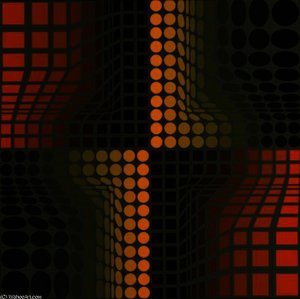
The composition of Monocolor Yellow is deceptively simple yet profoundly complex. The large yellow square commands immediate attention, acting as the primary focal point. However, it’s the surrounding black dots that truly elevate the work. Their varying sizes, arrangements, and spatial relationships generate a dynamic visual field, creating an illusion of movement and depth. Vasarely masterfully utilizes negative space to amplify this effect, drawing the eye across the canvas in a seemingly endless loop.
The technique employed is characteristic of Op Art: meticulous layering of paint to create subtle variations in tone and texture that enhance the optical illusion. The precise placement of each dot demonstrates Vasarely’s dedication to achieving maximum visual impact through controlled geometric precision.
Symbolism and Emotional Impact
While ostensibly a study in geometry, *Monocolor Yellow* resonates with deeper symbolic meanings. The yellow square can be interpreted as representing stability, energy, or even the sun – fundamental elements of human experience. The black dots, conversely, might symbolize disruption, chaos, or the inherent complexity within order. Together, they create a tension that mirrors the viewer’s own perceptual processes.
Ultimately, *Monocolor Yellow* is an artwork designed to provoke thought and stimulate the senses. It's a testament to Vasarely's genius – his ability to transform abstract mathematical principles into a captivating visual experience. This hand-painted reproduction captures the essence of this iconic piece, offering a unique opportunity to bring its bold aesthetic into your home or office.
Otázky a odpovědi
Kde mohu najít statistiky k dílu „Monocolor Yellow“ od Victor Vasarely?
Statistiky k dílu „Monocolor Yellow“ od Victor Vasarely naleznete na stránce Statistiky tohoto díla: měsíční návštěvnost díla, návštěvnost děl daného umělce a rozpis nedávných návštěvníků podle zemí a jazyků.
Jaké je umětrovědné postavení díla „Monocolor Yellow“ od Victor Vasarely?
Uměleckohistorická klasifikace díla „Monocolor Yellow“ od Victor Vasarely spadá do směru Op Art v období Modern.
Hangi tónem se "Monocolor Yellow" sklání?
„Monocolor Yellow“ má převládající Ochre to Sepia tón.




 Přepnout na tisk


 U děl nebo reprodukcí, u nichž je jakákoliv strana větší než 105 cm (přibližně 41 palců), bude rám dodán jako sestava v rozloženém stavu. Tato metoda zajišťuje bezpečné doručení a chrání dílo před poškozením během přepravy.


