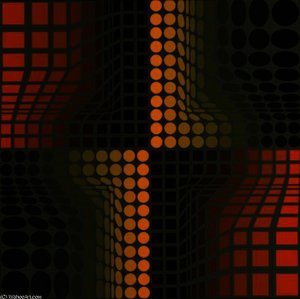
Acrylic On Canvas.

§ 1Katalogová data


Toto umělecké dílo je chráněno autorským právem
Umělecké dílo zobrazené na této stránce je chráněno autorským zákonem, což znamená, že nemůžeme legálně vytvářet ani prodávat jeho identickou reprodukci. Tato ochrana je vymáhána na základě mezinárodních dohod, jako například Berberská úmluva a národními zákony, včetně těch stanovených v Americký autorský zákon – Díl 17. Všechna práva vyhrazena.
Jako etická a právní alternativa nabízíme vlastní, ručně malovaná umělecká díla inspirovaná originálem. Naši zdatní a profesionální umělci si pečlivě studují styl, náladu a uměleckou podstatu originálu, aby vytvořili nové, jedinečné dílo, které vyvolává stejný pocit – přičemž zůstává samostatným originálním tvůrčím dílem.
Tato metoda je plně v souladu s autorským právem, protože nezahrnuje kopírování ani duplikování chráněného díla. Jde o kreativní reinterpretaci – nový obraz, který je inspirován originálem, ale není s ním identický.
 Více informací
§ 2Abstraktní
Popis sbírného předmětu
Experience Victor Vasarely’s iconic Op Art masterpiece, Sende C, featuring a mesmerizing array of blue and green dots creating an illusion of depth and movement. A captivating geometric abstraction from 1960, perfect for art lovers.
Biografie umělce
Victor Vasarely (1906-1997) byl průkopníkem Op Artu a kinetického umění. Jeho geometrické abstrakce, optické iluze a inovativní design ovlivnily moderní umění a grafiku.
§ 3Komentář
A Symphony of Perception: Unveiling Victor Vasarely’s *Sende C*
Victor Vasarely's *Sende C*, a captivating close-up study of vibrant blue and green, is more than just an image; it’s an invitation to explore the very nature of perception. This Op Art masterpiece, created by the Hungarian pioneer, embodies the core tenets of kinetic art – the manipulation of visual experience through geometric forms. The painting's deceptively simple composition immediately draws the eye into a dynamic interplay of color and shape, creating an illusion of movement and depth that shifts with every glance. Vasarely’s meticulous approach to translating mathematical principles onto canvas resulted in a work that is both intellectually stimulating and profoundly visually arresting.
The Genesis of Op Art: Vasarely's Bauhaus Roots
Born in 1906 in Pécs, Croatia, Károly Vaszary – later Victor Vasarely – initially pursued a medical career before embracing his artistic destiny. His formative years were deeply influenced by the Bauhaus movement and Sándor Bortnyik’s “Műhely” workshop, where he absorbed the principles of functional design and geometric abstraction. This training instilled in him a rigorous approach to composition, utilizing precise mathematical ratios and optical illusions to generate his signature style. *Sende C* exemplifies this legacy – a direct descendant of the Bauhaus emphasis on clarity, order, and the exploration of visual phenomena.
Decoding the Visual Language: Technique and Style
*Sende C* showcases Vasarely’s mastery of “stabék,” a technique he developed to create precisely defined, isolated shapes. The painting is constructed from numerous small, overlapping circles in varying shades of blue and green, meticulously arranged to generate an illusion of three-dimensionality. This method, combined with the deliberate use of contrasting colors, amplifies the visual impact and creates a mesmerizing sense of movement. The seemingly random distribution of dots actually adheres to a carefully calculated system, reflecting Vasarely’s belief that art could be both aesthetically pleasing and scientifically grounded.
Symbolism and Emotional Resonance
While ostensibly abstract, *Sende C* resonates with deeper symbolic meanings related to the exploration of consciousness and perception. Vasarely sought to represent the subjective experience of reality – how our brains actively construct our understanding of the world. The dynamic interplay of color and form evokes a sense of excitement, disorientation, and ultimately, wonder. This piece invites viewers to question their own perceptions and consider the complex relationship between art and the human mind. Its enduring appeal lies in its ability to tap into fundamental aspects of our visual experience.
Otázky a odpovědi
Do jaké místnosti se doporučuje „Sende C“ od Victor Vasarely?
Dílo „Sende C“ od Victor Vasarely je doporučeno do místnosti Living Room. Toto doporučení vychází z tématu, barevnosti a nálady daného díla.
Jaký národní původ stojí za stylem Op Art u díla „Sende C“?
Dílo „Sende C“ vytvořil/a Victor Vasarely, narozený/á v Chorvatsko, v rámci směru Op Art. Původ umělce/umělkyně propojuje toto dílo s Op Art, jak jej praktikují umělci z Chorvatsko.
Kolik lidí si prohlíží „Sende C"?
Pro dílo „Sende C“ je k dispozici stránka Statistiky. Zobrazuje měsíční počet návštěv tohoto díla i dalších děl daného umělce s rozpadem podle zemí a jazyků.


 Přepnout na tisk


 U děl nebo reprodukcí, u nichž je jakákoliv strana větší než 105 cm (přibližně 41 palců), bude rám dodán jako sestava v rozloženém stavu. Tato metoda zajišťuje bezpečné doručení a chrání dílo před poškozením během přepravy.