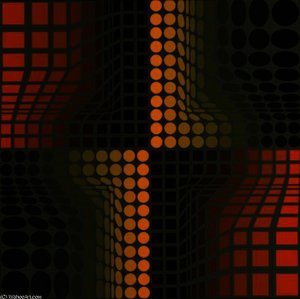
Akryl na plátně.

§ 1Katalogová data

Toto umělecké dílo je chráněno autorským právem
Umělecké dílo zobrazené na této stránce je chráněno autorským zákonem, což znamená, že nemůžeme legálně vytvářet ani prodávat jeho identickou reprodukci. Tato ochrana je vymáhána na základě mezinárodních dohod, jako například Berberská úmluva a národními zákony, včetně těch stanovených v Americký autorský zákon – Díl 17. Všechna práva vyhrazena.
Jako etická a právní alternativa nabízíme vlastní, ručně malovaná umělecká díla inspirovaná originálem. Naši zdatní a profesionální umělci si pečlivě studují styl, náladu a uměleckou podstatu originálu, aby vytvořili nové, jedinečné dílo, které vyvolává stejný pocit – přičemž zůstává samostatným originálním tvůrčím dílem.
Tato metoda je plně v souladu s autorským právem, protože nezahrnuje kopírování ani duplikování chráněného díla. Jde o kreativní reinterpretaci – nový obraz, který je inspirován originálem, ale není s ním identický.
 Více informací
§ 2Abstraktní
Popis sbírného předmětu
Žlutá abstrakce Viktora Vasarelyho – geometrické vzory v červené pozadí vytvářejí fascinující vizuální efekt. Inspirace Bauhausem a pohybová umění.
Biografie umělce
Victor Vasarely (1906-1997) byl průkopníkem Op Artu a kinetického umění. Jeho geometrické abstrakce, optické iluze a inovativní design ovlivnily moderní umění a grafiku.
§ 3Komentář
Viktor Vasarely: Pioneer of Kinetic Art – Exploring the Geometry of Perception
Viktor Vasarely (1906 – 1997), born in Pécs, Croatia, stands as a monumental figure in the history of modern art, specifically recognized for his groundbreaking contribution to Op Art and kinetic art. His artistic trajectory began with an initial ambition towards medicine at Eötvös Loránd University but swiftly pivoted toward visual expression, fueled by a profound fascination with geometric abstraction.
Vasarely’s formative years were steeped in the intellectual ferment of Austria-Hungary, where he absorbed influences from Bauhaus principles – emphasizing functional design and prioritizing clarity of form. This exposure proved instrumental in shaping his distinctive style: a mesmerizing blend of optical illusions and dynamic movement achieved through meticulously crafted geometric patterns.
The Műhely workshop, led by Sándor Bortnyik, solidified Vasarely’s artistic vision. Bortnyik's Bauhaus-inspired pedagogy instilled in him the importance of reducing visual elements to their essential components – circles, squares, and lines – transforming them into instruments for conveying complex ideas about perception.
Vasarely’s signature technique involved applying lacquer onto aluminum sheets, creating a surface that responded subtly to vibrations. This innovative approach wasn't merely a stylistic choice; it was a deliberate attempt to engage the viewer’s senses and provoke contemplation on how our eyes perceive reality. The resulting artworks shimmered with an ethereal quality, capturing fleeting moments of movement while maintaining an unwavering geometric stability.
The Op Art movement emerged in the mid-1960s as a reaction against representational art, prioritizing visual stimulation over narrative content. Vasarely’s work epitomized this ethos, rejecting traditional artistic conventions to explore the subconscious realm and challenge viewers' assumptions about how they experience space and time.
Beyond its aesthetic appeal, Vasarely’s geometric abstractions carry profound symbolic significance. Circles represent wholeness and unity – mirroring the artist’s belief in the interconnectedness of all things—while squares embody order and structure, reflecting his commitment to rational thought. The repetition of patterns creates a hypnotic effect, inviting viewers into a meditative state.
“VEGA-TEK,” Vasarely's celebrated piece exemplifies this artistic philosophy perfectly. Its vibrant red hue pulsates with energy, drawing the eye inward toward the intricate network of smaller circles nestled within its expansive form. The dynamic interplay between static geometry and subtle vibration evokes a feeling of boundless possibility—a visual testament to Vasarely’s unwavering conviction that art could transcend mere decoration to stimulate intellectual curiosity and emotional resonance.
Today, reproductions of “VEGA-TEK” continue to inspire interior designers and collectors alike. Its captivating geometric composition captures the essence of Op Art's exploration into perception and movement—a timeless masterpiece demonstrating the transformative power of visual abstraction.
Otázky a odpovědi
Jakou náladu by do prostoru přineslo dílo "VEGA-TEK"?
Pokojný atmosféra díla „VEGA-TEK“ od Victor Vasarely skvěle ladí s doporučeným prostorem: jako Obývací pokoj.
Kde si mohu koupit print díla „VEGA-TEK“ od Victor Vasarely?
Pokud si chcete pořídit tisk díla „VEGA-TEK“ od Victor Vasarely, stačí si jej objednat přímo na jeho stránce Kvalitní umělecký tisk: umělecký tisk na bavlněném plátně nebo archivním plátnovém papíře.
Jak významné je dílo „VEGA-TEK“ v rámci směru Geometric Abstraction?
V rámci směru Geometric Abstraction má dílo „VEGA-TEK“ úroveň popularity Ikonické.


 Přepnout na tisk


 U děl nebo reprodukcí, u nichž je jakákoliv strana větší než 105 cm (přibližně 41 palců), bude rám dodán jako sestava v rozloženém stavu. Tato metoda zajišťuje bezpečné doručení a chrání dílo před poškozením během přepravy.