


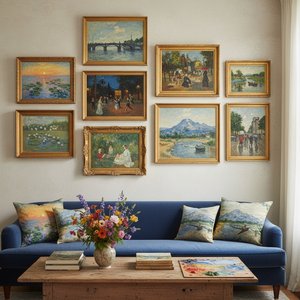
 Náhled v interiéru
 Sdílet
 Sdílet
 Podrobnosti o díle
 Průvodce

 Stáhnout
 Podobné položky
 Rentgenové snímky
 Slideshow
 Otázky a odpovědi
 Statistiky
Landscape

- 51.0 x 65.0 cm


 Zobrazit více
Giclée / Umělecký tisk
Giclée nebo plátěný tisk muzeální kvality s rychlou výrobou a širokou nabídkou povrchových úprav. ( Koupit ručně malovaný obraz Přepnout na digitální obraz)




































Vyberte si z našich přednastavených velikostí, které odpovídají původním proporcím díla.

Zadejte šířku a výšku, které potřebujete pro váš rám nebo stěnu. Tisk lze pouze oříznout, nikdy však nelze zvětšit obraz nad jeho původní rozměr, proto při výběru jiného formátu dochází ke ztrátě části obrazu. Před samotným tiskem vám zašleme digitální náhled k schválení. Obraz zobrazený na této stránce nenabízí skutečný výřez — ten uvidíte pouze v náhledu.
Celosvětové doručení () do 2 týdnů namísto standardních 4/5 týdnů. (3 listopad)

Zdarma celosvětová expresní doprava

Vysoce kvalitní lněné plátno

Kompletní pojištění přepravy

Záruka vrácení celního poplatku

Záruka věrného barevného souladu

100dení lhůta pro vrácení zboží (pouze při vadách výroby)

100% záruka vrácení peněz

Sleva při více objednávkách
 Skleněná varianta je dostupná pouze u rozměrů menších než 110 cm

Landscape
Giclée / Umělecký tisk
Rozměry reprodukce
-


Celková cena za vybrané možnosti reprodukcí
Kč 1417
Podobná díla


Biografie umělce
Victor Vignon: A Quiet Master of Impressionist Landscape
Victor Alfred Paul Vignon (1847 – 1909) was a French Impressionist landscape painter and graphic artist whose serene depictions of rural scenes captivated audiences during his lifetime and continue to resonate with art historians today. Born in Paris, he possessed an early exposure to artistic appreciation thanks to his mother’s involvement as sculptor under the pseudonym “Claude Vignon,” who worked on the decoration of Hôtel de Ville de Paris in the 1850s—a project overseen by Gustave Eiffel and adorned with murals by puvis de chavannes. This formative environment instilled within him a profound connection to visual art from a young age, shaping his artistic sensibilities and guiding his lifelong pursuit of capturing the essence of nature’s beauty.- Early Training & Influences: Vignon began his artistic education with Camille Corot, whose meticulous observation of light and color profoundly impacted his technique. He further honed his skills under Adolphe Félix Cals, absorbing influences from Barbizon painters who championed plein air painting—a practice that prioritized working outdoors directly before the easel.
- Rural Landscapes & The Val-d’Oise Circle: Initially focused on the Val-d'Oise region near Paris, Vignon established a studio there and cultivated close relationships with fellow Impressionists like Camille Pissarro and Frédéric Bazille. This collaborative environment fostered experimentation and encouraged artists to push boundaries in their approach to portraying the natural world.
- Auvers-sur-Oise & Vincent van Gogh: A pivotal moment in Vignon’s artistic journey occurred when he moved to Auvers-sur-Oise, where he befriended Vincent van Gogh—a connection that proved transformative for both artists. Their shared passion for capturing the immediacy of experience and their mutual admiration fueled a creative dialogue that enriched Vignon's oeuvre.
- Style & Technique: Vignon’s distinctive style characterized by soft brushstrokes, subtle tonal gradations, and harmonious color palettes—particularly blues and greens—reflected his unwavering commitment to conveying tranquility and capturing the fleeting effects of light on landscapes. He eschewed dramatic contrasts favored by some Impressionists, opting instead for a contemplative aesthetic that prioritized atmospheric perspective and textural nuances.
- Recognition & Legacy: Despite facing criticism from Monet and other prominent figures within the Impressionist movement—who questioned his adherence to traditional compositional conventions—Vignon persevered in his artistic endeavors. His work gained recognition through exhibitions at the Salon and subsequently enjoyed acclaim during retrospectives organized by Pierre Auguste Renoir and Julie Manet-Roulart, cementing his place as a significant contributor to French Impressionism’s canon. Today, Vignon's paintings are treasured for their serene beauty and masterful execution—testaments to his enduring vision of capturing the sublime grandeur of rural landscapes.
Notable Works
- Field of Wheat with Haystacks – This iconic painting exemplifies Vignon’s signature style, showcasing a luminous wheat field bathed in golden sunlight and punctuated by haystacks rendered with delicate textural detail.
- Landscape – A tranquil depiction of trees and water—executed in 1888—demonstrates Vignon's ability to evoke profound emotion through subtle color harmonies and atmospheric perspective.
Further Exploration
- Biblioteca Museu Víctor Balaguer: Explore Catalan art & literature housed in a Neo-Egyptian temple!
- Musée Victor Hugo: Discover the home & life of the famed author of Les Misérables.
- Chiesa di SS. Vittore e Carlo: Admire stunning sculptures by Algardi, paintings by Carlone & Parodi, and a rich history within this architectural gem.

Victor Vignon
1847 - 1909
Rychlé informace o umělci
- Artistic Movement Or Style: Impressionism
- Artists Or Movements Influenced By This Artist: ['Vincent van Gogh']
- Artists Who Influenced This Artist:
- Camille Corot
- Adolphe Félix Cals
- Date Of Birth: 1847
- Date Of Death: 1909
- Full Name: Victor Alfred Paul Vignon
- Nationality: French
- Notable Artworks:
- Field of Wheat with Haystacks
- Landscape
- A Farm
- Place Of Birth: Paris, France
Související články

Capturing the Soul: The Most Emotionally Moving Impressionist and Post-Impressionist Masterpieces
Discover the profound emotional depth of Impressionist and Post-Impressionist masterpieces. Explore how legends like Monet, Van Gogh, and Gauguin captured light and soul through evocative landscapes and vibrant brushwork for a timeless connection to art history.

Top 10 impresionistických krajin: Mistrovská díla, která změnila umění | AllPaintingsStore
Prozkoumejte 10 ikonických impresionistických krajin od Monet, Renoir a dalších. Objevte příběhy umělců, techniky a barevnost tohoto revolučního hnutí. Najděte perfektní obraz pro váš interiér na AllPaintingsStore.com
Top 10 impresionistických krajin: Mistrovská díla, která změnila umění | AllPaintingsStore.cz
Prozkoumejte 10 ikonických impresionistických krajin od Monet, Renoir a dalších. Objevte příběhy umělců, techniky a barvy, které definovaly toto revoluční hnutí. Najděte dokonalý obraz pro váš interiér na AllPaintingsStore.cz

Paul Cézanne: 25 mistrovských děl a revoluce v moderním umění | AllPaintingsStore.cz
Prozkoumejte 25 ikonických děl Paula Cézanna – průkopníka moderního umění a impresionismu. Obdivujte jeho still life, krajiny a portréty. Reprodukce obrazů v nejvyšší kvalitě na AllPaintingsStore.com. Inspirace pro váš interiér!

Capturing Fleeting Light: A Comprehensive Exploration of Impressionistic Landscape Painting
Explore the captivating world of Impressionistic landscape painting! Discover techniques, key artists like Monet & Renoir, and its lasting influence on art history. A comprehensive guide for enthusiasts.