


 Zobrazit v interiéru
 Odeslat
 Sdílet
 Podrobnosti
 Průvodce

 Stáhnout obrázek
 Podobné kousky
 Rentgenové snímky
 Slideshow
 Statistiky
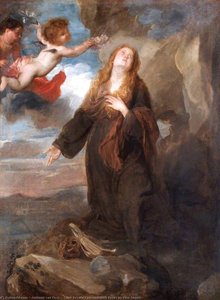
St Matthew and the Angel (detail)


 Přečíst si více
Ručně malovaná olejová reprodukce
Ručně malované olejné plátno v libovolném rozměru i s rámem, vyrobené našimi umělci na zakázku. ( Přepnout na tiskové verze Přepnout na digitální verzi obrazu)




































Vyberte si z našich přednastavených velikostí, které odpovídají původním proporcím díla.

Můžete zadat vlastní rozměry pro konkrétní rám nebo prostor. Pokud se vámi vybraná velikost neshoduje s proporcemi původního obrazu, dílo buď ořízneme, nebo jej doplníme ručně malovanými prvky. Před zahájením výroby vám bude zaslán digitální náhled ke schválení.
Upozorňujeme, že náhled na obrazovce neodpovídá skutečnému ořezu ani rozšíření. Pouze digitální náhled přesně zobrazí finální kompozici.
Ačkoliv je možné zvolit vlastní velikost, pro zachování původních proporcí doporučujeme vybrat rozměr z předdefinovaného seznamu.
Po přijetí objednávky vám tým AllPaintingsStore.com zašle e-mail s pokyny a poskytne náhledovou verzi.
Celosvětová doprava () za 3–4 týdny namísto standardních 5 týdnů. (21 září). Bez kompromisů v kvalitě.

Zdarma celosvětová expresní doprava

Vysoce kvalitní lněné plátno

Úplné pojištění přepravy

Záruka vrácení celního poplatku

Záruka věrného barevného shodu

100dení lhůta pro vrácení zboží (pouze při vadách výroby)

100% garance vrácení peněz

Sleva při více objednávkách
 Skleněná varianta je dostupná pouze u rozměrů menších než 110 cm

St Matthew and the Angel (detail)
Technika provedení
Velikost reprodukce
-


Celková cena
$ 258
Související díla



Biografie umělce
The Master of Naturalism: The Life and Legacy of Vincenzo Campi
In the vibrant artistic landscape of 16th-century Cremona, a period often defined by the sophisticated artifice of Mannerism, Vincenzo Campi emerged as a profound voice of clarity and truth. Born around 1536 into a family where the brush was a primary language, Campi was shaped by the rich creative atmosphere of his lineage. His father, Galeazzo, and his brothers, particularly the influential Giulio, provided a foundation of classical training, yet Vincenzo possessed an eye that looked beyond the stylized elegance of his contemporaries. While much of the era sought to distort reality for dramatic or decorative effect, Campi found beauty in the unadorned essence of the tangible world, setting the stage for a stylistic revolution in Northern Italy.
The early years of Campi’s career were deeply intertwined with the workshop traditions of his family. Working alongside his brother Giulio, he absorbed the technical rigors of Renaissance composition, yet he began to diverge from the prevailing trends of elongated forms and complex, artificial poses. His talent was first noted in significant historical moments, such as his involvement in portraits of the Habsburg royalty, which signaled his rising status within the Lombard courts. However, it was not through grand aristocratic portraiture that he would secure his immortality, but rather through a daring commitment to naturalism—a devotion to capturing the textures, light, and grit of everyday existence.
A Bridge Between Traditions: Flemish Influence and Genre Painting
What truly distinguishes Campi within the canon of Italian Renaissance art is his role as a stylistic bridge. He possessed the unique ability to marry the structural integrity of the Italian tradition with the meticulous, observational spirit of Flemish painting. This synthesis birthed a new way of seeing in Northern Italy, where the influence of Netherlandish masters—known for their obsessive attention to detail and the tactile quality of objects—began to permeate his canvases. Through this lens, the mundane became monumental.
Campi became a pioneer of genre painting, a movement that elevated scenes of common life to the status of high art. His works often feature:
- Market Scenes: Lively, bustling compositions filled with fishmongers, butchers, and peasants, where every scale on a fish or fold in a linen apron is rendered with startling precision.
- Still Lifes: Early explorations of the still life genre, focusing on the bounty of the earth, characterized by an almost scientific accuracy in depicting fruits, vegetables, and kitchen implements.
- Religious Narratives: Even within his sacred commissions, one can detect a grounded, humanistic touch that brings biblical figures into a relatable, earthly light.
This "descriptive mode," as it was later praised by historians like Filippo Baldinucci, allowed viewers to experience a sense of tactile reality. To look upon a Campi painting is to feel the weight of a basket, the coolness of a plucked fowl, and the warmth of sunlight filtering through a rustic marketplace.
Historical Significance and Artistic Evolution
The trajectory of Campi’s career was marked by both personal loss and creative expansion. The death of his brother Giulio in 1573 served as a pivotal moment, perhaps prompting Vincenzo to further solidify his own unique identity away from the shadow of the family workshop. As he matured, his ability to balance the decorative requirements of his patrons with his innate desire for realism grew more sophisticated. He did not merely copy nature; he interpreted it through a lens of profound dignity.
The historical significance of Vincenzo Campi lies in his defiance of the purely ornamental. By introducing the Flemish-inspired focus on texture and everyday subject matter into the Italian sphere, he paved the way for the much later triumphs of the Baroque era. He taught subsequent generations that there is as much divinity to be found in a basket of vegetables as there is in a celestial vision. His legacy remains etched in the transition from the artificiality of Mannerism to the visceral, breathing reality of the naturalistic movement, ensuring his place as one of the most vital innovators of the Cremonese school.

Vincenzo Campi
1536 - 1591 , Italy
Rychlé informace
- Artistic Movement Or Style: Flemish Style / Lombard Naturalism
- Artists Or Movements Influenced By This Artist: ['Pordenone']
- Artists Who Influenced This Artist: ['Giulio Campi']
- Date Of Birth: ca. 1536
- Date Of Death: 1591
- Full Name: Vincenzo Campi
- Nationality: Italian
- Notable Artworks:
- Study for the ''Ricotta Eaters'''
- Christ Before the Crucifixion
- Fishmongers
- Place Of Birth: Cremona, Italy

