


 Náhled v interiéru
 Sdílet
 Sdílet
 Podrobnosti o díle
 Průvodce

 Stáhnout
 Podobné položky
 Rentgenové snímky
 Slideshow
 Q&A
Q&A Statistiky
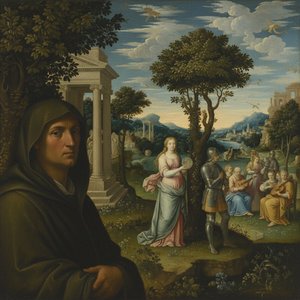
Judith
 Akryl na plátně
- Obrazová tvorba na stěnu
- Venetian Renaissance
 1520
1520 82.0 x 65.0 cm
 Fondazione Querini Stampalia
 Zobrazit více
Giclée / Umělecký tisk
Giclée nebo plátěný tisk muzeální kvality s rychlou výrobou a širokou nabídkou povrchových úprav. ( Koupit ručně malovaný obraz Přepnout na digitální obraz)




P118B Kč10

P118H Kč10

P118W Kč10

P438Z Kč10

P508JH Kč12

P508YH Kč12

P805H Kč10

P805Z Kč10

P919BZ Kč10

P919G Kč10

P919XJ Kč10

P959ZH Kč10

P968JZ Kč12

W106C Kč8

W218G Kč10

W218JH Kč8

W218Y Kč10

W307PJ Kč10

W316G Kč10

W316PJ Kč8

W316Y Kč10

W398PJ Kč8

W4111J Kč10

W500HY Kč15

W500JH Kč15

W692G Kč12

W849H Kč8

W940BG Kč15

W953PJ Kč8




Vyberte si z našich přednastavených velikostí, které odpovídají původním proporcím díla.

Zadejte šířku a výšku, které potřebujete pro váš rám nebo stěnu. Tisk lze pouze oříznout, nikdy však nelze zvětšit obraz nad jeho původní rozměr, proto při výběru jiného formátu dochází ke ztrátě části obrazu. Před samotným tiskem vám zašleme digitální náhled k schválení. Obraz zobrazený na této stránce nenabízí skutečný výřez — ten uvidíte pouze v náhledu.
Celosvětové doručení () do 2 týdnů namísto standardních 4/5 týdnů. (29 říjen)

Zdarma celosvětová expresní doprava

Vysoce kvalitní lněné plátno

Kompletní pojištění přepravy

Záruka vrácení celního poplatku

Záruka věrného barevného souladu

100dení lhůta pro vrácení zboží (pouze při vadách výroby)

100% záruka vrácení peněz

Sleva při více objednávkách
 Skleněná varianta je dostupná pouze u rozměrů menších než 110 cm

Judith
Giclée / Umělecký tisk
Rozměry reprodukce
-


Celková cena za vybrané možnosti reprodukcí
Kč 1378
Judith – A Venetian Masterpiece Reflecting Religious Drama
Vincenzo Catena’s “Judith” (circa 1520) stands as a testament to the artistic fervor of Venice during the High Renaissance, blending influences from luminaries like Giovanni Bellini and Giorgione with a burgeoning individuality that foreshadowed Titian's groundbreaking style. This monumental painting depicts the biblical tale of Judith slaying Holofernes, King of Assyria, safeguarding Israel’s safety through cunning and courage – a narrative rich in symbolism and moral contemplation.Style and Technique: Bellini’s Serenity Meets Giorgione’s Atmospheric Depth
Initially trained under Giovanni Bellini, Catena absorbed the maestro's characteristic serene palette and meticulous attention to detail. However, unlike Bellini’s idealized figures bathed in ethereal light, Catena’s Judith exhibits a palpable tension conveyed through expressive gestures and subtle shading—a stylistic shift decisively shaped by Giorgione’s pioneering exploration of atmospheric perspective. The artist skillfully employs glazing techniques, layering translucent pigments over underlayers to achieve remarkable luminosity and depth, mirroring Giorgione's masterful manipulation of light and shadow. This blending of styles underscores Catena’s artistic evolution and his embrace of innovative approaches.Historical Context: Venetian Republican Virtue Amidst Turbulent Times
Painted during the reign of Pope Leo X, “Judith” embodies the humanist ideals prevalent in Venice at the time – a republic fiercely committed to civic virtue and defending its independence against papal ambition. The depiction aligns perfectly with the broader artistic preoccupation with biblical narratives as vehicles for moral instruction, reflecting the Venetian elite’s desire to reaffirm their values amidst political uncertainty. Furthermore, Catena's work contributes to the ongoing dialogue between classical ideals and Christian faith that characterized Renaissance art across Europe.Symbolism: Courage, Sacrifice, and Divine Justice
The painting overflows with symbolic significance. Judith herself represents fortitude and unwavering devotion to God’s will, while Holofernes embodies pagan arrogance and oppression. The sword symbolizes righteous indignation and decisive action against evil—a visual embodiment of biblical justice. The positioning of Judith and Holofernes' severed head underscores the triumph over darkness and affirms the victory of faith over barbarity. Catena’s meticulous rendering captures not merely a historical event but also profound spiritual truths.Emotional Impact: A Dramatic Confrontation Captured in Paint
“Judith” commands attention with its dramatic composition and emotionally charged portrayal of violence tempered by moral fortitude. The artist's masterful use of chiaroscuro – the interplay between light and dark – intensifies the scene’s impact, drawing viewers into Judith’s courageous gaze and conveying the horror of Holofernes’ demise. More than just a depiction of biblical legend, Catena’s masterpiece resonates with timeless themes of bravery, sacrifice, and the enduring power of righteousness—inspiring contemplation on moral fortitude and divine retribution.Otázky a odpovědi
Do kterého uměleckého směru a do jaké éry spadá dílo „Judith“ od Vincenzo Catena?
Dílo "Judith" patří k období Venetian Renaissance, jehož tvůrce působil v éře Renaissance.
Kde mohu vidět originál díla „Judith“ od Vincenzo Catena?
Originál díla „Judith“ od Vincenzo Catena je uložen v instituci Fondazione Querini Stampalia, Benátky, Itálie. Reprodukce však umožňuje toto dílo vystavit i ve vašem domově.
Do které místnosti by se vzhledem k barevné skladbě doporučovalo umělecké dílo „Judith“ od Vincenzo Catena?
Barvy v paletě Zemité tóny díla „Judith“ od Vincenzo Catena ladí s doporučeným prostorem: Obývací pokoj.
Podobná díla


Biografie umělce
Vincenzo Catena: A Venetian Renaissance Painter
Life and Background
- Born in Venice, Italy around 1470, Vincenzo Catena was a painter of the Venetian Renaissance.
- Little is known about his early life or formal training. Records are scarce regarding his upbringing and initial artistic development.
- He was also sometimes referred to as Vincenzo de Biagio.
- Catena passed away in 1531, leaving behind a modest but significant body of work.
Artistic Development and Influences
- Initially, Catena’s style closely resembled that of Giovanni Bellini, a leading Venetian painter known for his serene Madonnas and refined technique.
- The earliest documented mention of Catena is an inscription on the back of La Laura by Giorgione, where he’s described as Giorgione's *colego* (colleague).
- However, it wasn’t until after Giorgione’s death in 1510 that his innovative influence began to manifest itself in Catena’s paintings.
- He also shows some influences from Titian, another prominent figure of the Venetian School, particularly in his use of color and composition.
Major Works and Style
- Approximately a dozen paintings are confidently attributed to Catena based on signatures.
- The Martyrdom of St. Christina (1520), located in the church of Santa Maria Mater Domini in Venice, is his most securely dated work thanks to an inscription on its marble surround.
- Other notable works include The Adoration of the Shepherds, and several depictions of the Madonna and Child with Saints and Donors.
- Catena’s paintings often feature religious scenes and portraits, characterized by a blend of Bellini's precision and Giorgione’s atmospheric qualities.
- His style is marked by detailed realism, warm color palettes, and rich symbolism, typical of Venetian Renaissance art.
Historical Significance and Legacy
- While not as widely celebrated as some of his contemporaries like Titian or Giorgione, Catena played a role in the development of Venetian painting during a crucial period.
- His work demonstrates the transition between the High Renaissance and the emerging Mannerist styles.
- Wills left by Catena reveal he was a man of considerable wealth and had connections within Venetian humanist circles, suggesting his artistic success extended beyond purely aesthetic recognition.
- Today, Vincenzo Catena’s paintings are valued for their historical importance and offer insights into the artistic landscape of 16th-century Venice.

Vincenzo Catena
1470 - 1531 , Italy
Rychlé informace o umělci
- Name: Vincenzo Catena
- Movement: Renaissance, Venetian School
- Birth Date: 1470
- Death Date: 1531
- Birth Place: Venice, Italy
- Nationality: Italian
- Date Of Birth: 1470
- Date Of Death: 1531
- Influenced By:
- Giovanni Bellini
- Giorgione
- Notable Works:
- Santa Cristina Altarpiece
- The Adoration of the Shepherds
- Madonna and Child with a Holy Female Martyr, Saint Francis of Assisi and the Donor
- Place Of Birth: Venice, Italy
Související články

Venetian Renaissance: The Golden Age of Color, Light, and Luminous Artistry
Embark on a journey through the Venetian Renaissance. Discover how masters like Giorgione and Titian revolutionized art through luminous color and light. Explore the profound legacy of the Venetian School and its enduring influence on the world of fine art.

Venetian Renaissance: The Mastery of Color, Light, and the Art of Colorito
Explore the luminous mastery of the Venetian Renaissance. Discover how masters like Titian and Giorgione revolutionized art through colorito, light, and atmosphere. An expert guide to the golden age of Italian painting for collectors and enthusiasts.
Giorgione: Enigma and Innovation in Early Venetian Renaissance Painting
Explore the enigmatic world of Giorgione, a pivotal figure in the Venetian Renaissance. Discover his innovative techniques, iconic paintings like 'The Tempest', and lasting influence on art history. Learn more at AllPaintingsStore.

Titian: Innovation, Technique & the Venetian Renaissance Portrait Tradition
Explore the revolutionary techniques & enduring legacy of Titian, the master of Venetian Renaissance portraiture. Discover insights for collectors & appreciate his impact on art history.

The Golden Light of Innovation: Exploring the Venetian Renaissance Art Movement (1430–1580)
Explore the Golden Age of Venetian art (1430–1580). Discover Giorgione, Titian & Tintoretto's techniques, the 'colorito' revolution, and lasting influence. Expert insights for collectors & enthusiasts.


