


 Náhled v interiéru
 Sdílet
 Sdílet
 Podrobnosti o díle
 Průvodce

 Stáhnout
 Podobné položky
 Rentgenové snímky
 Slideshow
 Statistiky
LANDSCAPE
 Yuan Dynasty Landscape Painting
 38.0 x 129.0 cm
 Zobrazit více
Ručně malovaná olejová reprodukce
Rukou malované olejné plátno v libovolném rozměru i s rámem, vyrobené našimi umělci na zakázku. ( Přepnout na tisk Přepnout na digitální obraz)




P118B Kč10

P118H Kč10

P118W Kč10

P438Z Kč10

P508JH Kč12

P508YH Kč12

P805H Kč10

P805Z Kč10

P919BZ Kč10

P919G Kč10

P919XJ Kč10

P959ZH Kč10

P968JZ Kč12

W106C Kč8

W218G Kč10

W218JH Kč8

W218Y Kč10

W307PJ Kč10

W316G Kč10

W316PJ Kč8

W316Y Kč10

W398PJ Kč8

W4111J Kč10

W500HY Kč15

W500JH Kč15

W692G Kč12

W849H Kč8

W940BG Kč15

W953PJ Kč8




Vyberte si z našich přednastavených velikostí, které odpovídají původním proporcím díla.

Zadejte šířku a výšku, které potřebujete pro váš rám nebo stěnu. Protože se jedná o ruční malbu, při výběru jiného formátu může umělec kolem obrazu domalovat o něco více, nebo jej mírně oříznout — rozhodnete si vy. Před zahájením malby vám zašleme digitální náhled ke schválení. Obraz zobrazený na této stránce neodpovídá skutečnému výsledku — pouze digitální náhled jej zobrazuje.
Po přijetí objednávky vám tým AllPaintingsStore.com zašle e-mail s pokyny a poskytne náhledovou verzi.
Celosvětová doprava () za 3–4 týdny namísto standardních 5 týdnů. (26 říjen). Bez kompromisů v kvalitě.

Zdarma celosvětová expresní doprava

Vysoce kvalitní lněné plátno

Kompletní pojištění přepravy

Záruka vrácení celního poplatku

Záruka věrného barevného souladu

100dení lhůta pro vrácení zboží (pouze při vadách výroby)

100% záruka vrácení peněz

Sleva při více objednávkách
 Skleněná varianta je dostupná pouze u rozměrů menších než 110 cm

LANDSCAPE
Technika reprodukce
Rozměry reprodukce
-


Celková cena za vybrané možnosti reprodukcí
Kč 5523
Podobná díla


Biografie umělce
Wang Meng: The Ropy Brush and the Silent Landscape
Born in Wuxing, Zhejiang province – now Huzhou – around 1308, Wang Meng stands as a pivotal figure within the artistic landscape of the Yuan Dynasty (1271-1368). His life was marked by both privilege and profound misfortune; he descended from Zhao Mengfu, a prominent Song Dynasty official and artist, inheriting a lineage steeped in cultural significance. However, his later years were tragically consumed by false accusations of treason against the Ming Emperor Taizu, resulting in five years spent imprisoned – an experience that profoundly shaped his artistic vision and ultimately contributed to his unique style.
Wang Meng’s place within art history is firmly secured as one of the “Four Masters” of the Yuan Dynasty alongside Huang Gongwang, Wu Zhen, and Ni Zan. This esteemed group distinguished themselves by rejecting the patronage of the Mongol rulers who had conquered China, choosing instead to remain independent artists working primarily on paper rather than the traditional silk canvases favored by previous generations. This decision reflected a deep conviction that landscapes held the key to unlocking deeper truths – a philosophy central to their artistic practice.
A Style Defined by Texture and Movement
Unlike the more restrained approaches of his contemporaries, Wang Meng’s paintings are characterized by an extraordinary density and dynamism. His brushstrokes—often described as “ropy” or “layered”—were meticulously applied in thick, overlapping patterns, creating a palpable sense of texture and movement. This technique wasn't simply decorative; it was a deliberate attempt to capture the essence of nature – its complexity, its energy, and its inherent instability. He eschewed the smooth, polished surfaces favored by earlier landscape painters, embracing instead a more tactile and expressive approach.
Wang Meng’s compositions are often densely populated with elements—trees, rocks, mountains, streams—creating an immersive experience for the viewer. He avoided clear focal points or dramatic perspectives, preferring to present a holistic view of the natural world, inviting contemplation rather than immediate recognition. This deliberate ambiguity is a hallmark of his style and reflects his belief in the interconnectedness of all things.
Key Works and Artistic Influences
Among Wang Meng’s most celebrated works are “Ge Zhichuan Relocating” (a depiction of a scholar moving to a new location), “Forest Grotto at Juqu,” “Writing Books Under the Pine Trees,” “The Simple Retreat,” and “Dwelling in the Qingbian Mountains.” These paintings, now housed in prestigious museums worldwide – including the Palace Museum, National Palace Museum, Shanghai Museum, Cleveland Museum of Art, and the Metropolitan Museum of Art – demonstrate his mastery of technique and his profound understanding of landscape painting. Notably, "Ge Zhichuan Relocating" sold for an astonishing $62.1 million at auction in 2011, a testament to its artistic merit and historical significance.
Wang Meng’s style was profoundly influenced by the landscape painters who preceded him – Wang Wei, Dong Yuan, and Juran – but he developed his own distinctive voice through his innovative use of brushwork and composition. He also drew inspiration from the literati tradition, a movement that emphasized personal expression and intellectual engagement with nature. His work stands as a bridge between these traditions, forging a new path for Chinese landscape painting.
Legacy and Historical Significance
Despite his relatively obscure status during his lifetime, Wang Meng’s influence on subsequent generations of Chinese painters is undeniable. Dong Qichang, a prominent scholar-artist of the Southern Song Dynasty, greatly admired Wang Meng's style and incorporated elements of it into his own work. Wang Meng’s ropy brushstrokes and dense compositions became a defining characteristic of landscape painting for centuries to come.
His decision to reject court patronage and remain an independent artist also holds significant historical importance. It reflects a growing sense of artistic autonomy and a desire to preserve traditional values in the face of foreign rule. Wang Meng’s life and work serve as a powerful reminder of the enduring power of art to transcend political boundaries and express profound human truths. He remains a vital figure in understanding the evolution of Chinese landscape painting and its continuing relevance today.

Wang Meng
1308 - 1385
Rychlé informace o umělci
- Full Name: Wang Meng (王蒙)
- Nationality: Chinese
- Date Of Birth: 1308
- Date Of Death: 1385
- Place Of Birth: Wuxing, Zhejiang, China
- Notable Artworks:
- Ge Zhichuan Relocating
- Forest Grotto at Juqu
- Writing Books under Pine Trees
- The Simple Retreat
- Dwelling in Qingbian Mountains
- Artistic Movement Or Style: Yuan Dynasty Landscape Painting
- Artists Who Influenced This Artist:
- Wang Wei
- Dong Yuan
- Juran
- Artists Or Movements Influenced By This Artist:
- Huang Gongwang
- Wu Zhen
- Ni Zan
- Dong Qichang
Související články

Evocations of Place: A Historical Journey Through Landscape Art
Explore the rich history of landscape art with AllPaintingsStore. Discover renowned artists, movements like Impressionism & tonalism, and expert guidance for collecting timeless pieces. Find your perfect serene escape today!

Katsushika Hokusai: 25 mistrovských děl japonského umění pro váš interiér | AllPaintingsStore.com
Prozkoumejte 25 ikonických děl japonského mistra Katsushiky Hokusaiho! Objevte příběhy za Velkou vlnou, 36 pohledů na horu Fuji a další ukiyo-e tisků. Kvalitní reprodukce obrazů pro váš interiér na AllPaintingsStore.com.
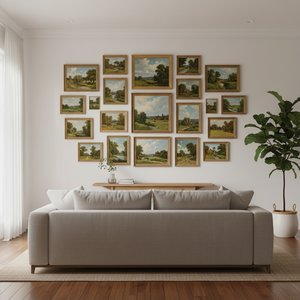
John Constable: 25 mistrovských děl krajinářské poezie | AllPaintingsStore.com
Prozkoumejte 25 ikonických děl Johna Constabla, mistra anglického krajinářství a romantismu. Obdivujte jeho olejomalby, plátna s venkovskou atmosférou a inspirujte se pro dekoraci interiéru. Reprodukce obrazů nejvyšší kvality na AllPaintingsStore.com

Evocations of Place: A Historical Journey Through Landscape Art
Explore the rich history of landscape art with AllPaintingsStore. Discover renowned artists, movements like Impressionism & Romanticism, and expert guidance for collecting timeless pieces. Find your perfect serene escape today!

Romantická krajina v malbě: 10 mistrovských děl, které definovaly umělecký proud | AllPaintingsStore
Prozkoumejte 10 ikonických děl romantické krajinářské malby! Objevte příběhy Caspara Davida Friedricha, Turnera a dalších mistrů. Reprodukce obrazů nejvyšší kvality pro váš interiér na AllPaintingsStore.com.

