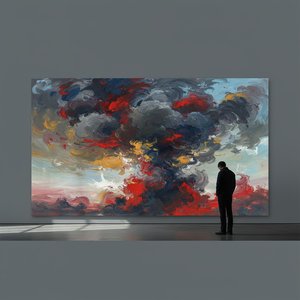
1971. Lithograph, 103.0 x 72.0 cm.

§ 1Katalogová data

- 103.0 x 72.0 cm


Toto umělecké dílo je chráněno autorským právem
Umělecké dílo zobrazené na této stránce je chráněno autorským zákonem, což znamená, že nemůžeme legálně vytvářet ani prodávat jeho identickou reprodukci. Tato ochrana je vymáhána na základě mezinárodních dohod, jako například Berberská úmluva a národními zákony, včetně těch stanovených v Americký autorský zákon – Díl 17. Všechna práva vyhrazena.
Jako etická a právní alternativa nabízíme vlastní, ručně malovaná umělecká díla inspirovaná originálem. Naši zdatní a profesionální umělci si pečlivě studují styl, náladu a uměleckou podstatu originálu, aby vytvořili nové, jedinečné dílo, které vyvolává stejný pocit – přičemž zůstává samostatným originálním tvůrčím dílem.
Tato metoda je plně v souladu s autorským právem, protože nezahrnuje kopírování ani duplikování chráněného díla. Jde o kreativní reinterpretaci – nový obraz, který je inspirován originálem, ale není s ním identický.
 Více informací
§ 2Abstraktní
Popis sbírného předmětu
Explore 'The Marshes' by Willem de Kooning – an iconic abstract expressionist lithograph capturing raw emotion and dynamism through bold brushstrokes and a monochromatic palette. Discover its influence on the New York School.
Biografie umělce
Willem de Kooning (1904-1997): klíčový představitel abstrakce & expresionismu. Jeho dynamické obrazy, včetně slavné série 'Žena I', jsou známé silnými barvami a emocionální intenzitou.
§ 3Komentář
The Marshes: An Exploration of Abstract Expressionist Emotion
Willem de Kooning’s “The Marshes,” painted in 1971, stands as a cornerstone of American Abstract Expressionism—a movement defined by its rejection of representational art and its fervent pursuit of spontaneous emotion. Produced by Hollander Graphic Workshop and published by MOMA, this lithograph captures the essence of de Kooning’s distinctive style: bold brushstrokes, dynamic composition, and an unsettling exploration of psychological depth.
The artwork presents a landscape devoid of conventional perspective or recognizable forms—a marsh environment rendered in shades of black, grey, and white. Rather than depicting a specific scene, it prioritizes conveying feeling over visual accuracy. The image’s grainy texture speaks to the lithographic process itself, highlighting the materiality of the print medium and adding to its textural richness.
De Kooning's approach aligns perfectly with the broader tenets of Abstract Expressionism, which emerged in New York City after World War II as artists sought new ways to express trauma and anxiety. Influenced by Surrealist techniques—particularly automatism—the artist deliberately abandons control over his brushstrokes, allowing them to generate an energetic dance across the surface of the paper.
The composition is deliberately chaotic; overlapping shapes and lines intertwine without discernible hierarchy. This lack of focal point isn’t a weakness but rather a strategic choice designed to immerse the viewer in a sensory experience mirroring the turbulent emotions at play. The artist's intention was not to depict reality, but to capture the visceral impact of inner turmoil.
Further research into Willem de Kooning reveals his formative years spent grappling with familial discord and his early departure from formal schooling—experiences that undoubtedly fueled his artistic restlessness. His apprenticeship with a commercial art firm provided technical grounding while simultaneously nurturing a desire for creative liberation. Moving to America in 1926, he embraced the ethos of an outsider artist, forging a path toward groundbreaking innovation.
The lithograph medium itself contributes significantly to the artwork’s aesthetic qualities. The process involves transferring ink from a stone matrix onto paper, resulting in precise tonal gradations and subtle variations in texture—elements that amplify the painting's expressive power. Examining “The Marshes” alongside other works by de Kooning—particularly his ‘Woman’ series—offers valuable insight into the artist’s ongoing exploration of psychological complexity.
Considered alongside similar pieces from Stedelijk Museum De Lakenhal and complemented by biographical information on Willem van de Velde the Elder and Younger, “The Marshes” exemplifies the artistic fervor of the Dutch Golden Age. Its enduring appeal lies in its ability to evoke profound emotional responses—a testament to de Kooning’s mastery of Abstract Expressionist technique and his unwavering commitment to conveying raw feeling.
Otázky a odpovědi
Patří „The Marshes“ od Willem de Kooning mezi vyhledávaná díla směru Abstract Expressionism?
Dílo "The Marshes" je v katalogu hodnoceno jako Iconic mezi díly z období Abstract Expressionism.
Do jaké místnosti se doporučuje „The Marshes“ od Willem de Kooning?
Doporučeným prostorem pro „The Marshes“ od Willem de Kooning je Living Room. Toto doporučení lze samozřejmě přizpůsobit vašemu interiéru.
V jakém roce vzniklo dílo "The Marshes"?
Dílo "The Marshes" pochází z roku 1971. Toto datum situuje dílo do období tvůrčí činnosti Willem de Kooning i do jeho dobové kontextu.


 Přepnout na tisk


 U děl nebo reprodukcí, u nichž je jakákoliv strana větší než 105 cm (přibližně 41 palců), bude rám dodán jako sestava v rozloženém stavu. Tato metoda zajišťuje bezpečné doručení a chrání dílo před poškozením během přepravy.