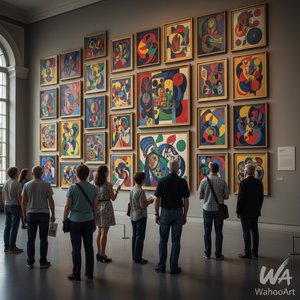
1968. Acrylic On Canvas.

§ 1Katalogová data


Toto umělecké dílo je chráněno autorským právem
Umělecké dílo zobrazené na této stránce je chráněno autorským zákonem, což znamená, že nemůžeme legálně vytvářet ani prodávat jeho identickou reprodukci. Tato ochrana je vymáhána na základě mezinárodních dohod, jako například Berberská úmluva a národními zákony, včetně těch stanovených v Americký autorský zákon – Díl 17. Všechna práva vyhrazena.
Jako etická a právní alternativa nabízíme vlastní, ručně malovaná umělecká díla inspirovaná originálem. Naši zdatní a profesionální umělci si pečlivě studují styl, náladu a uměleckou podstatu originálu, aby vytvořili nové, jedinečné dílo, které vyvolává stejný pocit – přičemž zůstává samostatným originálním tvůrčím dílem.
Tato metoda je plně v souladu s autorským právem, protože nezahrnuje kopírování ani duplikování chráněného díla. Jde o kreativní reinterpretaci – nový obraz, který je inspirován originálem, ale není s ním identický.
 Více informací
§ 2Abstraktní
Popis sbírného předmětu
Biografie umělce
Willem de Kooning (1904-1997): klíčový představitel abstrakce & expresionismu. Jeho dynamické obrazy, včetně slavné série 'Žena I', jsou známé silnými barvami a emocionální intenzitou.
§ 3Komentář
A Tempestuous Vision of Female Power: Examining Willem de Kooning’s Untitled (23)
The photograph captures a striking monochrome depiction of “Untitled (23),” a seminal work by Willem de Kooning, completed in 1968. This painting embodies the core tenets of Abstract Expressionism – raw emotion, dynamic gesture, and an uncompromising exploration of form—making it a cornerstone of American art history. The image itself is deliberately muted, prioritizing textural detail over vibrant color, mirroring the artist’s stylistic preference for conveying psychological intensity rather than literal representation.Subject Matter: Embodied Femininity
At its heart lies a woman figure dominating the canvas. De Kooning famously eschewed traditional portraiture conventions, opting instead to depict women as fragmented, turbulent entities—a deliberate rejection of idealized femininity prevalent in earlier artistic movements. The woman’s posture is defiant, her limbs outstretched and intertwined, conveying a palpable sense of struggle and vulnerability simultaneously. Her face remains largely obscured, furthering the ambiguity surrounding her identity and emphasizing the painting's focus on emotional experience rather than visual accuracy. Surrounding her are amorphous shapes—suggestive of drapery or perhaps even swirling currents—creating an atmosphere of dynamism and instability that reflects the artist’s inner turmoil.Style & Technique: Bold Brushwork and Energetic Gestures
De Kooning’s technique is instantly recognizable through its aggressive brushstrokes – thick, impasto layers of paint applied with forceful movements. This method wasn't merely about applying pigment; it was a deliberate attempt to capture the physicality of emotion itself. The artist utilized a palette knife extensively, pushing paint across the canvas with palpable energy, resulting in textured surfaces that pulsate with movement and contribute significantly to the painting’s expressive power. The absence of color reinforces this tactile quality, allowing viewers to engage directly with the artist's hand—a hallmark of Abstract Expressionism.Historical Context: The Crucible of Postwar Art
“Untitled (23)” emerged during a period of profound artistic upheaval following World War II. The postwar era witnessed a dramatic shift away from representational art towards abstraction, fueled by anxieties about societal change and a desire to express subjective experience in ways that bypassed rational thought. De Kooning’s work aligns perfectly with this movement's ethos, reacting against the perceived constraints of academic tradition and embracing spontaneity as a vehicle for conveying psychological depth. It stands alongside other iconic paintings from the period—such as Jackson Pollock’s drip canvases—establishing a visual vocabulary that continues to resonate today.Symbolism: Fragmentation and Resilience
The fragmented form of the woman figure speaks to broader themes of trauma and resilience. De Kooning's deliberate disruption of conventional compositional structures mirrors the psychological fragmentation experienced by individuals confronting existential crises. However, despite her apparent vulnerability, the woman’s posture exudes strength—a testament to the human spirit’s capacity for enduring hardship and maintaining inner integrity. The surrounding amorphous shapes symbolize the uncontrollable forces shaping our lives, while simultaneously suggesting an underlying order beneath the surface chaos.Emotional Impact: Confronting Darkness
Ultimately, “Untitled (23)” compels viewers to confront uncomfortable truths about the human condition. It eschews comforting illusions of beauty or harmony, presenting instead a visceral depiction of emotional struggle—a courageous assertion of feeling in defiance of artistic conventions. The painting’s enduring power lies in its ability to provoke contemplation and elicit responses rooted in personal experience—a testament to De Kooning's mastery of conveying profound psychological resonance through visual language.Otázky a odpovědi
Kde najdu průvodce k dílu "Untitled (23)"?
Průvodce k dílu "Untitled (23)" je stránka Průvodce pro studenty pro dané umělecké dílo – tiskatelný informační list, který zobrazuje dílo spolu s jeho popiskem, údaji o autorství a identifikační tabulkou (umělec, data, technika, původní rozměry, sbírka).
Jakým způsobem se dílo „Untitled (23)“ zapojuje do témat a stylu umělce Willem de Kooning?
Dílo „Untitled (23)“ sdílí s ostatními pracemi umělce Willem de Kooning styl období Abstract Expressionism a opakující se témata: bold brushwork, expressionist style, psychological exploration, emotion, iconic woman series impact, american art heritage legacy.
Patří „Untitled (23)“ od Willem de Kooning do volného tisku?
Stav autorských práv pro dílo „Untitled (23)“ od Willem de Kooning: toto dílo spadá do stále chráněno autorským právem. To určuje, zda lze volně vytvářet reprodukce tohoto obrazu.


 Přepnout na tisk


 U děl nebo reprodukcí, u nichž je jakákoliv strana větší než 105 cm (přibližně 41 palců), bude rám dodán jako sestava v rozloženém stavu. Tato metoda zajišťuje bezpečné doručení a chrání dílo před poškozením během přepravy.