

Romanticism
Cerberus (second version) (William Blake)
Cerberus (second version) je dílo autora William Blake (1757–1827). Patří k hnutí Romanticism. Je vyrobeno z Acrylic On Canvas.
- Acrylic On Canvas

 Náhled v interiéru

 Tisk
 Sdílet
 Sdílet
 Informační list pro studenty


 Stáhnout
 Podobné položky
 Rentgenové snímky
 Slideshow
 Otázky a odpovědi

 Statistiky
Cerberus (second version): klíčové údaje
- Název díla
- Cerberus (second version)
- Autor
- William Blake (1757–1827)
- Rok narození umělce
- Londýn, Spojené království
- Technika
- Acrylic On Canvas
- Pohyb
- Romanticism
- Motiv
- mythological creatures, dark fantasy, gothic art, blake’s style, hellhound, symbolism
Co zobrazuje dílo Cerberus (second version)?
A Vision of the Underworld: William Blake’s *Cerberus (second version)*
This striking painting by William Blake, *Cerberus (second version)*, plunges viewers into a dramatic and unsettling scene drawn from classical mythology. Unlike traditional depictions of the monstrous guardian of Hades, Blake's Cerberus is not simply a terrifying beast but a complex symbol interwoven with themes of creation, destruction, and the human condition. The artwork presents a multi-headed creature – reminiscent of a dragon as initially noted – actively consuming something amidst a gathering of figures, some cautiously observing while one daringly reaches out.Style & Technique: Romantic Imagination Unleashed
Blake’s style is distinctly *Romantic*, characterized by intense emotion, vivid imagination, and a rejection of strict academic conventions. He wasn't merely illustrating mythology; he was reinterpreting it through the lens of his own unique spiritual and philosophical beliefs. The painting exhibits Blake’s characteristic energetic brushwork and use of color – though specifics are difficult to ascertain without knowing the original medium (watercolor or oil is likely). His technique often involved building up layers of paint, creating a luminous quality that enhances the otherworldly atmosphere. This version, as indicated by its title, suggests an evolution from an earlier iteration, hinting at Blake’s continual refinement of his artistic vision.Mythological Roots & Symbolic Depth
Cerberus, in Greek mythology, is the multi-headed dog guarding the gates of the Underworld, preventing the dead from leaving and the living from entering without permission. Blake utilizes this potent symbol to explore deeper concepts. The act of *consumption* by Cerberus can be interpreted as representing the destructive forces inherent in existence – time, decay, or even societal corruption. The figures surrounding the beast are not merely witnesses; they represent humanity’s complex relationship with these forces: fear, curiosity, and a desperate attempt to understand or control them. The bridge and rocky landscape suggest a liminal space—a threshold between worlds, mirroring the psychological journey Blake often depicted in his work.Historical Context & Blake's Unique Vision
William Blake lived during a period of immense social and political upheaval – the late 18th and early 19th centuries. He was deeply critical of industrialization, materialism, and rigid religious dogma. His art served as a vehicle for expressing his radical ideas about spirituality, imagination, and human liberation. While many artists of his time focused on neoclassical ideals or realistic portrayals, Blake deliberately cultivated a visionary style that drew inspiration from the Bible, mythology, and his own prophetic visions. He was largely unappreciated during his lifetime but is now recognized as one of the most important figures in British art history.Emotional Impact & Lasting Legacy
*Cerberus (second version)* evokes a powerful emotional response – a mixture of awe, fear, and fascination. The painting’s unsettling imagery forces viewers to confront uncomfortable truths about mortality, destruction, and the darker aspects of human nature. However, it is not simply a depiction of despair. The reaching figure suggests a glimmer of hope—a desire for connection or understanding even in the face of overwhelming darkness. This artwork continues to resonate with audiences today because it taps into universal anxieties and aspirations, offering a profound meditation on the complexities of life and death. It’s a testament to Blake's genius that he could transform a classical myth into such a deeply personal and enduring work of art. For collectors and interior designers, a reproduction of this piece offers a bold statement, adding intellectual depth and dramatic flair to any space.Cerberus (second version): obrazové soubory
Zpracováno z obrazu s vyšším rozlišením z naší databáze, nikoliv z webové verze: minimálně 300 DPI. Barvy byly ověřeny podle originálu a soubor byl digitálně retušován odborníkem.
Koupit obraz ve vysokém rozlišeníWilliam Blake, Cerberus (second version).
William Blake (1757–1827), Cerberus (second version), acrylic on canvas. Veřejná doména Obrázek: AllPaintingsStore.com.
Otázky k tématu Cerberus (second version)
V jaké technice je vytvořeno dílo „Cerberus (second version)“ od William Blake?
Technikou díla „Cerberus (second version)“ od William Blake je Acrylic On Canvas. Reprodukce mají za cíl věrně zachytit vzhled této techniky.
Co zachycuje dílo „Cerberus (second version)“ od William Blake?
Motivy díla „Cerberus (second version)“ jsou mythological creatures, dark fantasy, gothic art, blake’s style, hellhound, symbolism, medieval imagery, monster art.
Lze obraz díla „Cerberus (second version)“ od William Blake volně reprodukovat?
Dílo „Cerberus (second version)“ od William Blake spadá do v rámci volného užití – autorská práva vypršela. Tento stav určuje pravidla pro reprodukci obrazu tohoto díla.
K kterému umělci je dílo "Cerberus (second version)" připisováno?
Autorem díla „Cerberus (second version)“ je William Blake. Práce je v katalogu uvedena pod jménem William Blake.
K jakému stylu patří „Cerberus (second version)“?
Umělecký směr, ke kterému patří dílo „Cerberus (second version)“ od William Blake, je Romanticism. Tato klasifikace toto dílo umísťuje mezi související umělce a další umělecká díla.
Do jaké fáze tvůrčího rozvoje William Blake patří dílo „Cerberus (second version)“?
V rámci kariéry umělce William Blake spadá dílo „Cerberus (second version)“ do období Romantic. Tato fáze umožňuje jeho srovnání s dalšími díly tohoto umělce.
Proč má dílo „Cerberus (second version)“ právě takový autorský status?
Dílo „Cerberus (second version)“ od William Blake spadá do v rámci volného užití – autorská práva vypršela. Autorská práva se počítají od roku úmrtí autora; William Blake zemřel(a) v roce 1827.
Jakým způsobem se dílo „Cerberus (second version)“ zapojuje do témat a stylu umělce William Blake?
Dílo „Cerberus (second version)“ sdílí s ostatními pracemi umělce William Blake styl období Romanticism a opakující se témata: blake's mythological vision, dark romantic symbolism, hellhound & medieval lore, religious allegory deep, critique of power structures, exploring human darkness, central to blake's style, visionary imagination.
Je dílo "Cerberus (second version)" typické pro to, co William Blake obvykle vytvářel/a?
Mezi opakující se témata umělce William Blake patří blake's mythological vision, dark romantic symbolism, hellhound & medieval lore, religious allegory deep, critique of power structures, exploring human darkness, central to blake's style, visionary imagination; dílo „Cerberus (second version)“ se zaměřuje na mythological creatures, dark fantasy, gothic art, blake’s style, hellhound, symbolism, medieval imagery, monster art.
O umělci William Blake
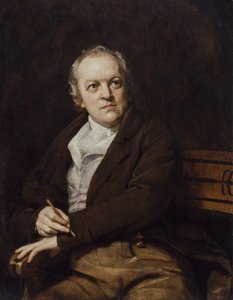
1757–1827, Spojené království
William Blake
William Blake – Visionary Poet & Painter (1757–1827) William Blake, born in London on November 28, 1757, was a figure perpetually out of step with his time, yet destined to become one of the most celebrated artists and poets of the Romantic Age. His life unfolded against the backdrop of a rapidly changing England—a world grappling with industrialization, political upheaval, and shifting spiritual beliefs. From humble beginnings as the son of a hosier, Blake’s early years were marked by an intensely vivid imagination and a propensity for visionary experiences that would profoundly shape his artistic trajectory. Though largely self-taught in formal academics, he received drawing instruction at a young age, quickly revealing a talent that hinted at the extraordinary path ahead.
Každé dílo William Blake, včetně rozměrů a cen → Profil umělce Slavná díla autora William Blake
Další díla autora William Blake
 Prastarý dnešní1794
 Newton
 Starý Čas1794
 Velký červený drak a žena oblečená v slunci
Články o tématu Cerberus (second version)
 Unveiling the Raw Emotion: The Top 25 Masterpieces by Francis Bacon1944 saw the creation of Three Studies for Figures at the Base of a Crucifixion. Trace the evolution of Bacon's visceral post-war style.
 25 Masterpieces by William Blake: The Visionary Art of a Romantic Legend1794's The Ancient of Days depicts Urizen imposing divine order upon the void. See the visionary works that defined a Romantic legend.
 The Language of Animals in Art: From Ancient Egypt to the RenaissanceExplore the profound history of animal symbolism from Egypt to the Renaissance. Trace these ancient motifs through art history now.