


 Náhled v interiéru
 Sdílet
 Sdílet
 Podrobnosti o díle
 Průvodce

 Stáhnout
 Podobné položky
 Rentgenové snímky
 Slideshow
 Statistiky
Melancholy


 Zobrazit více
Zakupte si digitální obraz ve vysokém rozlišení a vylepšeném provedení, který nabízí mnohem vyšší kvalitu než online náhled.
Každý soubor pečlivě připravují naši interní specialisté s využitím pokročilých nástrojů a odborné manuální retuše. Zajišťujeme, aby každý obraz disponoval výjimečnou ostrostí, přesnou barevnou věrností a jemnými detaily.
Finální soubor vám bude do 72 hodin zaslán e-mailem, optimalizovaný pro okamžité použití v profesionálním, redakčním i tiskovém prostředí. Nabízíme stejnou kvalitu, které důvěřují špičková designová studia, nakladatelství i galerie.
Digitální obrazy
Stáhněte si soubor ve vysokém rozlišení pro osobní prohlížení, tisk nebo kreativní projekty. ( Přepnout na tisk Koupit ručně malovaný obraz)
Součást každé objednávky digitálního obrazu
Profesionální digitální doručení, zaručené
Když si vyberete AllPaintingsStore.com, nezískáváte pouze obrázek – získáváte digitální umělecké dílo s profesionálně vylepšenými detaily, zpracované s precizností a podpořené zárukou za spokojenost. Zde je vše, co vaše objednávka automaticky obsahuje:

Rychlé doručení e-mailem
Váš digitální obraz ve vysokém rozlišení vám bude zaslán e-mailem do 72 hodin od objednávky – připraven k okamžitému použití.

Digitální soubor s využitím AI
Vaše umělecké dílo je profesionálně optimalizováno pomocí pokročilých nástrojů umělé inteligence a manuální úpravy, což zajišťuje maximální úroveň detailu, ostrosti a přesnosti barev.

Doživotní bezplatné znovuodeslání digitálních obrazů
Soubor jste omylem smazali nebo ztratili? Žádný problém – kdykoliv vám ho znovu zašleme zcela zdarma.

Bez poplatků za dovoz – navždy
Užijte si své umělecké dílo okamžitě bez celních poplatků, daní nebo nákladů na dopravu – digitální stažení je vždy bez daňových povinností.

Záruka přesnosti barev
Díky profesionálním nástrojům a správě barev zajišťujeme, aby váš digitální obraz odrážel původní barvy co nejvěrněji.

100dená záruka spokojenosti
Pokud nebudete s digitálním obrázkem spokojeni, provedeme jeho revizi nebo vám vrátíme 100% platby do 100 dnů – bez jakýchkoliv dotazů.

100% záruka vrácení peněz
Nespokojeni? Získejte plnou náhradu peněz do 100 dnů od obdržení digitálního souboru – bez zbytečných dotazů.

Slevy při hromadných objednávkách
Koupě 3 obrazů ušetří 10% – Koupě 5 obrazů ušetří 15% – Koupě 10+ obrazů ušetří 20%. Ideální pro kreativní projekty, galerie a agentury.
A Visionary Descent into Sorrow and Spirit
In the hauntingly beautiful Melancholy, attributed to the visionary English master William Blake, we are invited to step beyond the veil of the material world and into a realm where the boundaries between the human soul and the divine are perpetually thin. Created around 1820, this profound meditation on sorrow and faith serves as a breathtaking testament to the Romantic spirit. At its heart, the composition centers upon a woman—often identified as Mary Magdalene—whose presence anchors a celestial tableau of quiet contemplation. Surrounded by figures that suggest both angelic beings and mortal observers, the scene unfolds against a backdrop of lush, ethereal foliage and shimmering stars, establishing an atmosphere where the serenity of the heavens meets the palpable weight of human sadness.
The emotional resonance of this piece lies in its ability to find sublime beauty within suffering. Blake directs the viewer's gaze upward, utilizing a masterful arrangement of figures to emphasize a spiritual dimension that transcends earthly grief. There is a delicate balance achieved here; despite the pervasive sense of introspection and melancholy conveyed through the subjects' expressions, the composition maintains a celestial harmony. For the collector or the interior designer, this artwork offers more than mere decoration; it provides a window into a cosmic architecture of symbols, making it a profound focal point for spaces dedicated to reflection, peace, and deep intellectual engagement.
The Alchemy of Etching and Watercolor
Technically, Melancholy represents the revolutionary spirit of Blake’s approach to printmaking and painting. The work is characterized by a unique dual-medium technique, where the structural precision of etching meets the atmospheric fluidity of watercolor washes. This method allows for an extraordinary textural depth and luminosity that is rare in the works of his era. The intricate, fine linework of the etching provides a rigorous framework, capturing the delicate details of the celestial figures and the organic textures of the surrounding nature. Over this, Blake applied subtle gradations of watercolor, imbuing the scene with a soft, glowing light that seems to emanate from within the paper itself.
This interplay of sharp detail and ethereal color creates a sense of movement and life, as if the stars themselves are pulsing with a quiet energy. The way the light interacts with the translucent washes allows for a dreamlike quality, essential for capturing the "prophetic" nature of Blake's vision. To possess a high-quality reproduction of such a piece is to bring this luminous, textured complexity into one's own environment, allowing the subtle shifts in color and the precision of the line to captivate the eye through every change in light throughout the day.
A Romantic Echo of the Infinite
Emerging from the height of the Romantic era, Melancholy stands as a reaction against the rigid rationalism of the Enlightenment, favoring instead the power of imagination and the intensity of emotion. Blake, working in London, was a man who saw through the industrial soot of his age to witness the whispers of angels and the raw pulse of existence. This painting is a quintessential example of that vision—a landscape where the physical and spiritual realms dissolve into one another. The symbolism of the celestial bodies and the divine figures serves as a reminder of the eternal struggle between innocence and experience, a theme that remains strikingly modern in its clarity.
For those seeking to curate an environment of depth and narrative, this artwork offers an unparalleled opportunity. It is a piece that demands a second, third, and fourth look, revealing new layers of symbolic meaning with every encounter. Whether placed in a private study or a grand living space, Melancholy acts as a silent interlocutor, prompting the viewer to contemplate the profound beauty found in the most tender and sorrowful corners of the human experience.
Otázky a odpovědi
K jakému využití se doporučuje „Melancholy“ od Vilém Blake?
Doporučené využití tisku díla „Melancholy“ je Mood.
Je k dispozici vysokorozlišená verze ke stažení díla "Melancholy"?
„Melancholy“ je k dispozici jako stažení digitálního obrazu ve vysokém rozlišení, zakoupit jej můžete přímo na stránce Digitální snímek.
Pro jaké místo a za jakým účelem se doporučuje dílo "Melancholy"?
Dílo „Melancholy“ od Vilém Blake se doporučuje pro Mood, ideálně do Living Room. Způsob využití a prostor společně určují, kam se reprodukce hodí.
Podobná díla


Biografie umělce
William Blake – Visionary Poet & Painter (1757–1827)
William Blake, born in London on November 28, 1757, was a figure perpetually out of step with his time, yet destined to become one of the most celebrated artists and poets of the Romantic Age. His life unfolded against the backdrop of a rapidly changing England—a world grappling with industrialization, political upheaval, and shifting spiritual beliefs. From humble beginnings as the son of a hosier, Blake’s early years were marked by an intensely vivid imagination and a propensity for visionary experiences that would profoundly shape his artistic trajectory. Though largely self-taught in formal academics, he received drawing instruction at a young age, quickly revealing a talent that hinted at the extraordinary path ahead. His apprenticeship with engraver James Basire proved pivotal, providing him not only with technical mastery but also an understanding of printmaking techniques he would later revolutionize. These early influences—the Gothic grandeur of Westminster Abbey, the classical forms of Raphael and Michelangelo—served as foundational elements in his developing aesthetic, though Blake was never one to remain bound by convention.Early Life & Artistic Training
Blake’s formative years instilled within him a deep fascination with mythology and folklore, alongside an acute sensitivity to visual beauty. Despite lacking formal artistic education, he possessed an innate ability to observe and interpret the world around him—skills honed through meticulous sketching and drawing exercises. His apprenticeship under James Basire, a respected engraver, provided invaluable experience in mastering printmaking techniques, particularly etching—a craft that would become central to his distinctive artistic style. This training exposed him to the established conventions of engraving but simultaneously fueled his desire to forge new paths toward creative expression. The architectural grandeur of Westminster Abbey and the idealized forms of Raphael’s frescoes served as enduring inspirations, shaping his aesthetic sensibilities and informing his artistic vision.Illuminated Printing: A Revolutionary Technique
Blake's artistic innovation wasn’t merely about subject matter; it resided fundamentally in *how* he created. Dissatisfied with conventional engraving methods—which he viewed as sterile and restrictive—he developed a unique process known as “illuminated printing.” This involved etching both text and illustrations onto copper plates, then painstakingly hand-coloring the resulting prints—a laborious but deeply personal approach that allowed for complete artistic control. This wasn’t simply illustration accompanying poetry; it was an integrated art form where image and verse were inextricably linked, each enhancing the meaning of the other. Blake's belief in the transformative power of imagination underpinned this revolutionary technique. He argued that “the Imagination is the Eye of God,” asserting that true creativity resided in perceiving realities beyond the confines of sensory experience—a conviction that would permeate his entire oeuvre. This method granted him unparalleled freedom to express his inner vision, resulting in prints imbued with vibrant color and symbolic depth unlike anything produced before.Major Works & Artistic Style
Blake’s artistic output encompassed a remarkable range of mediums—poetry, engravings, watercolors, mezzotints, and drawings—each reflecting his multifaceted intellectual and spiritual interests. His most celebrated works include *Songs of Innocence* (1789) and *Songs of Experience*, paired volumes that explore contrasting perspectives on human nature and morality; *The Marriage of Heaven & Hell* (1793), a provocative prose poem challenging conventional dogma; *Milton* (1804–?11), an ambitious retelling of Milton’s epic poem infused with Blake’s visionary symbolism; and *Jerusalem*, a sprawling prophetic poem envisioning a utopian future rooted in spiritual renewal. His engravings are characterized by a distinctive style—a rejection of linear perspective in favor of flattened planes and stylized figures—that conveys emotion and psychological intensity rather than realistic representation. Blake's use of color was equally innovative, employing bold hues to heighten the symbolic significance of his images and to evoke moods of wonder and terror. He frequently incorporated motifs from mythology and folklore, drawing inspiration from sources as diverse as Dante’s *Divine Comedy* and Hebrew scripture.Legacy & Influence
Despite facing considerable obscurity during his lifetime—characterized by poverty and rejection by mainstream artistic circles—William Blake's influence on subsequent generations of artists and writers has proven profound. His unwavering commitment to imaginative vision and symbolic expression resonated deeply with the Pre-Raphaelites, who embraced him as a kindred spirit and championed his distinctive aesthetic style. Furthermore, Blake’s ideas continue to inspire thinkers and artists today, particularly those concerned with exploring themes of spirituality, rebellion, and the relationship between art and consciousness. He stands as an enduring testament to the transformative potential of creativity—a visionary artist whose work compels us to confront uncomfortable truths and to embrace the boundless possibilities of human imagination. Blake’s legacy extends beyond his artistic achievements; it resides in his unwavering belief that art can serve as a catalyst for social change and spiritual enlightenment—a conviction that continues to inspire artists and intellectuals worldwide.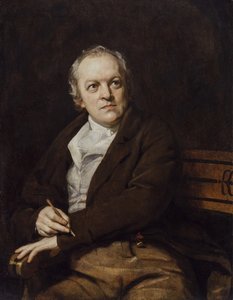
Vilém Blake
1757 - 1827 , Velká Británie
Stručné informace
- Artistic Movement Or Style: Romantismus
- Artists Who Influenced This Artist:
- Raphael
- Michelangelo
- Date Of Birth: 1757
- Full Name: William Blake
- Nationality: Británie
- Notable Artworks:
- Songs of Innocence & Exp.
- The Tyger
- Jerusalem
- Place Of Birth: Londýn, UK

