Záruka vrácení peněz · 100 dní Doprava po celém světě zdarma
449 587umělecká díla 30 613umělci 4 660muzea 32jazyky
Měna
    Jazyk
      Ateliér · Založeno 2015 · Paříž, Francie
      AllPaintingsStore
      allpaintingsstore.com
      Catalogue entry

      The blasphemous Capaneus

      Acrylic On Canvas.

      Fig. 1. Vilém Blake, The blasphemous Capaneus. Shown as the reproduction you are specifying: , .

      § 1Catalogue data

      § 2Abstract

      Popis sbírného předmětu

      William Blake's "Capaneus" depicts a dramatic biblical tale of defiance against divine authority. Featuring three figures and a reclining man, the painting embodies Romantic ideals through its intense atmosphere and symbolic representation.

      Biografie umělce

      Významná vodní pastelová kresba Viléma Blakea zobrazující kosmický konflikt mezi dobrem a zlem – ikonická ilustrace knihy Zjevení, plná symboliky a intenzivní energie.

      § 3Commentary

      The Blasphemous Capaneus: A Visionary Confrontation

      William Blake’s “The Blasphemous Capaneus” isn't merely a painting; it’s an embodiment of Romantic idealism wrestling with biblical transgression, rendered in a style that anticipates Surrealism decades before its formal emergence. Created around 1814-15 during Blake’s intensely productive period—a time marked by feverish creativity and profound spiritual exploration—the artwork transcends simple depiction, striving instead to convey a complex tapestry of psychological and symbolic resonance.
      • Subject Matter & Narrative: The painting confronts viewers with the biblical tale of Capaneus, King of Corinth, who defiantly challenged God’s authority by demanding that he allow him to ascend heaven and pronounce judgment upon his fellow monarchs. Blake eschews literal representation, opting for a dreamlike tableau that captures the essence of this audacious defiance rather than its precise visual details.
      • Style & Technique: Blake's distinctive style—characterized by bold lines, flattened perspective, and vibrant color palettes—is immediately recognizable. He employs engraving techniques honed during his apprenticeship with James Basire, layering intricate linework over colored plates to achieve a stunning textural effect. This meticulous process lends the image an otherworldly luminescence, mirroring the artist’s preoccupation with visionary states.

      Historical Context: Romantic Rebellion Against Divine Order

      “The Blasphemous Capaneus” emerges from the turbulent intellectual landscape of the Romantic era—a movement fueled by disillusionment with Enlightenment rationalism and a fervent yearning for spiritual renewal. Blake’s work reflects the broader anxieties surrounding societal progress and the perceived decline of moral values, positioning Capaneus as a symbol of human arrogance and resistance to divine providence. The painting anticipates the Surrealist fascination with unconscious imagery and dreamlike distortions—a stylistic precursor that underscores Blake's pioneering role in challenging conventional artistic conventions.
      • Symbolism: The central figure of Capaneus dominates the composition, sprawled on the ground yet radiating an aura of defiant grandeur. Surrounding him are smaller figures representing angels and demons—a deliberate juxtaposition that symbolizes the battle between faith and impiety. Blake’s masterful use of color—particularly crimson—evokes associations with blood sacrifice and divine retribution, reinforcing the painting's thematic core.

      Emotional Impact & Artistic Legacy

      “The Blasphemous Capaneus” commands attention through its unsettling beauty. Blake’s deliberate manipulation of perspective and color creates a palpable sense of drama and tension—drawing viewers into the artist's psychological realm. The painting speaks to themes of rebellion, transgression, and the confrontation between humanity and divinity—provoking contemplation on questions of morality and faith. Its enduring influence can be seen in subsequent artistic movements—most notably Surrealism—demonstrating Blake’s profound contribution to the history of art and his unwavering commitment to exploring the depths of human consciousness.
      • Conclusion: More than just a depiction of biblical lore, “The Blasphemous Capaneus” represents Blake's audacious assertion of artistic freedom—a refusal to conform to societal expectations and an embrace of visionary imagination. It remains a testament to the transformative power of art—inspiring viewers to confront uncomfortable truths and to grapple with existential dilemmas.

      Otázky a odpovědi

      O jaký typ díla se jedná u „The blasphemous Capaneus“?

      V katalogu je dílo „The blasphemous Capaneus“ od Vilém Blake zařazeno do kategorie WallArt, která usnadňuje vyhledávání podobných děl.

      Jakým způsobem se dílo „The blasphemous Capaneus“ zapojuje do témat a stylu umělce Vilém Blake?

      V rámci tvorby umělce Vilém Blake se dílo „The blasphemous Capaneus“ řadí do stylu Romantic Age Romantic Age a doplňuje tak motivy blake visionary style, religious mythos, divine justice, romantic beliefs, artistic legacy.

      Jaká velikost reprodukce se doporučuje pro „The blasphemous Capaneus“ od Vilém Blake?

      Pro dílo „The blasphemous Capaneus“ od Vilém Blake se doporučuje reprodukce ve velikosti Large. Velikost lze upravit při zachování původních proporcí.
      § 4The artist

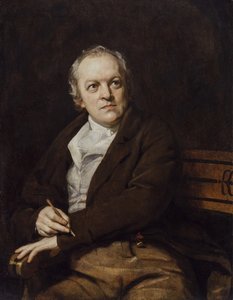
      Vilém Blake

      Vilém Blake

      1757 - 1827, Velká Británie

      Quick facts about Vilém Blake

      • Artistic Movement Or Style: Romantismus
      • Artists Who Influenced This Artist:
        • Raphael
        • Michelangelo
      • Date Of Birth: 1757
      • Full Name: William Blake
      • Nationality: Británie
      • Notable Artworks:
        • Songs of Innocence & Exp.
        • The Tyger
        • Jerusalem
      • Place Of Birth: Londýn, UK

      Biografie umělce

      William Blake – Visionary Poet & Painter (1757–1827)

      William Blake, born in London on November 28, 1757, was a figure perpetually out of step with his time, yet destined to become one of the most celebrated artists and poets of the Romantic Age. His life unfolded against the backdrop of a rapidly changing England—a world grappling with industrialization, political upheaval, and shifting spiritual beliefs. From humble beginnings as the son of a hosier, Blake’s early years were marked by an intensely vivid imagination and a propensity for visionary experiences that would profoundly shape his artistic trajectory. Though largely self-taught in formal academics, he received drawing instruction at a young age, quickly revealing a talent that hinted at the extraordinary path ahead. His apprenticeship with engraver James Basire proved pivotal, providing him not only with technical mastery but also an understanding of printmaking techniques he would later revolutionize. These early influences—the Gothic grandeur of Westminster Abbey, the classical forms of Raphael and Michelangelo—served as foundational elements in his developing aesthetic, though Blake was never one to remain bound by convention.

      Early Life & Artistic Training

      Blake’s formative years instilled within him a deep fascination with mythology and folklore, alongside an acute sensitivity to visual beauty. Despite lacking formal artistic education, he possessed an innate ability to observe and interpret the world around him—skills honed through meticulous sketching and drawing exercises. His apprenticeship under James Basire, a respected engraver, provided invaluable experience in mastering printmaking techniques, particularly etching—a craft that would become central to his distinctive artistic style. This training exposed him to the established conventions of engraving but simultaneously fueled his desire to forge new paths toward creative expression. The architectural grandeur of Westminster Abbey and the idealized forms of Raphael’s frescoes served as enduring inspirations, shaping his aesthetic sensibilities and informing his artistic vision.

      Illuminated Printing: A Revolutionary Technique

      Blake's artistic innovation wasn’t merely about subject matter; it resided fundamentally in *how* he created. Dissatisfied with conventional engraving methods—which he viewed as sterile and restrictive—he developed a unique process known as “illuminated printing.” This involved etching both text and illustrations onto copper plates, then painstakingly hand-coloring the resulting prints—a laborious but deeply personal approach that allowed for complete artistic control. This wasn’t simply illustration accompanying poetry; it was an integrated art form where image and verse were inextricably linked, each enhancing the meaning of the other. Blake's belief in the transformative power of imagination underpinned this revolutionary technique. He argued that “the Imagination is the Eye of God,” asserting that true creativity resided in perceiving realities beyond the confines of sensory experience—a conviction that would permeate his entire oeuvre. This method granted him unparalleled freedom to express his inner vision, resulting in prints imbued with vibrant color and symbolic depth unlike anything produced before.

      Major Works & Artistic Style

      Blake’s artistic output encompassed a remarkable range of mediums—poetry, engravings, watercolors, mezzotints, and drawings—each reflecting his multifaceted intellectual and spiritual interests. His most celebrated works include *Songs of Innocence* (1789) and *Songs of Experience*, paired volumes that explore contrasting perspectives on human nature and morality; *The Marriage of Heaven & Hell* (1793), a provocative prose poem challenging conventional dogma; *Milton* (1804–?11), an ambitious retelling of Milton’s epic poem infused with Blake’s visionary symbolism; and *Jerusalem*, a sprawling prophetic poem envisioning a utopian future rooted in spiritual renewal. His engravings are characterized by a distinctive style—a rejection of linear perspective in favor of flattened planes and stylized figures—that conveys emotion and psychological intensity rather than realistic representation. Blake's use of color was equally innovative, employing bold hues to heighten the symbolic significance of his images and to evoke moods of wonder and terror. He frequently incorporated motifs from mythology and folklore, drawing inspiration from sources as diverse as Dante’s *Divine Comedy* and Hebrew scripture.

      Legacy & Influence

      Despite facing considerable obscurity during his lifetime—characterized by poverty and rejection by mainstream artistic circles—William Blake's influence on subsequent generations of artists and writers has proven profound. His unwavering commitment to imaginative vision and symbolic expression resonated deeply with the Pre-Raphaelites, who embraced him as a kindred spirit and championed his distinctive aesthetic style. Furthermore, Blake’s ideas continue to inspire thinkers and artists today, particularly those concerned with exploring themes of spirituality, rebellion, and the relationship between art and consciousness. He stands as an enduring testament to the transformative potential of creativity—a visionary artist whose work compels us to confront uncomfortable truths and to embrace the boundless possibilities of human imagination. Blake’s legacy extends beyond his artistic achievements; it resides in his unwavering belief that art can serve as a catalyst for social change and spiritual enlightenment—a conviction that continues to inspire artists and intellectuals worldwide.

      § 5Comparanda

      § 6Questions

      Rychlé informace

      • Artistic style: Symbolic
      • Notable elements or techniques: Complex etching and aquatint printing
      • Influences: Blake's own imagination
      • Year: 1820
      • Title: The blasphemous Capaneus
      • Medium: Hand-colored engraving

      Artový kvíz

      U každé otázky je pouze jedna správná odpověď.

      Otázka 1:
      What biblical story does “The Blasphemous Capaneus” depict?
      Otázka 2:
      William Blake is primarily known for his contributions to which artistic movement?
      Otázka 3:
      The painting utilizes engraving techniques, a method pioneered by Blake. Why was this technique significant during Blake's time?
      Otázka 4:
      What is the overall atmosphere conveyed by “The Blasphemous Capaneus”?
      Otázka 5:
      Blake’s artistic style is characterized by a blend of imagination, symbolism, and visionary imagery. How does this stylistic approach reflect the broader intellectual currents of the Romantic Age?

      § 7Cite this entry

      AllPaintingsStore.com, “Vilém Blake, The blasphemous Capaneus”, https://allpaintingsstore.com/cs/art/william-blake-the-blasphemous-capaneus-8EWSDJ-en/ (accessed 2 říjen 2026).

      § 8The reproduction

      Ručně malovaná olejová reprodukce

      Rukou malované olejné plátno v libovolném rozměru i s rámem, vyrobené našimi umělci na zakázku. ( Přepnout na tisk Přepnout na digitální obraz)

      It is specified on the order sheet in the margin; the present state of that sheet reads as follows.

      The blasphemous Capaneus

      Technika reprodukce

      Rozměry reprodukce

      -

      Vybraní mistři umění

      Vyšší míra detailu, jemnosti a delší doba výroby

      -

      Možnosti rámování reprodukcí

      -

      -

      U děl nebo reprodukcí, u nichž je jakákoliv strana větší než 105 cm (přibližně 41 palců), bude rám dodán jako sestava v rozloženém stavu. Tato metoda zajišťuje bezpečné doručení a chrání dílo před poškozením během přepravy.

      Vyžaduje se odborná montáž – nejedná se o produkt pro svépomocnou realizaci (DIY).
      Sestava musí být složena a plátno napnuto zkušeným profesionálním rámovačem s použitím dřevěného lepidla (není součástí balení), kleští na napínání plátna a svorek pro udržení pravých úhlů křížů během schnutí lepidla. Nesprávná montáž nebo nerovnoměrné napnutí plátna může způsobit trvalé poškození uměleckého díla, které není kryto naší zárukou.

      • Jsou zahrnuty všechny lišty z masivního dřeva, přesně na míru nařezané.

      • Sestavuje se pomocí součástí balení (šroubů), plus dřevěného lepidla na rohové spoje, které není součástí balení a musí jej zajistit váš rámovač.

      • Vyžaduje se profesionální nářadí, které není součástí sady: kleště na napínání plátna a svorky pro udržení kolmosti příček během schnutí lepidla.

      Důležité:
      Spoje v rozích vyžadují lepidlo na dřevo, tyčinky musí být přichyceny pomocí svorek, dokud lepidlo zcela neuschne, a pro napnutí plátna na sestavený rám je zapotřebí kleští na natahování plátna. Žádný z těchto náčiní není součástí sady. Před objednáním této velikosti prosím zajistěte zkušeného profesionálního rámovače.

      Popisek díla

      -

      -

      Ochranný lak

      Lesklý lak (zvýrazňuje barvy, chrání před světlem a vlhkostí)

      -

      Přizpůsobit své umělecké dílo

      Příklady možných úprav: nahrazení obličeje fotografií zákazníka; přidání domácího mazlíčka (např. výměna kočky za psa); vložení skrytého vzkazu do pozadí; změna krajiny nebo prvků v pozadí.

      -

      Prioritní doručení

      Celosvětové doručení () za 3–4 týdny namísto standardních 5 týdnů. (30 říjen). Bez kompromisů v kvalitě.

      -

      Expresní doručení

      Celosvětová doprava () do 5 týdnů. (6 listopad).

      V ceně

      Celková cena za vybrané možnosti reprodukcí

      Kč 5604

      Included with every order

      • Zdarma celosvětová expresní doprava
      • Vysoce kvalitní lněné plátno
      • Kompletní pojištění přepravy
      • Záruka vrácení celního poplatku
      • Záruka věrného barevného souladu
      • 100dení lhůta pro vrácení zboží (pouze při vadách výroby)
      • 100% záruka vrácení peněz
      • Sleva při více objednávkách
      Order sheet