


 Náhled v interiéru
 Sdílet
 Sdílet
 Podrobnosti o díle
 Průvodce

 Stáhnout
 Podobné položky
 Rentgenové snímky
 Slideshow
 Statistiky
The Last Supper
 Tempera
- Romantic Symbolism
 1799
1799- 19th Century
 38.0 x 55.0 cm
 Zobrazit více
Ručně malovaná olejová reprodukce
Rukou malované olejné plátno v libovolném rozměru i s rámem, vyrobené našimi umělci na zakázku. ( Přepnout na tisk Přepnout na digitální obraz)




P118B Kč10

P118H Kč10

P118W Kč10

P438Z Kč10

P508JH Kč12

P508YH Kč12

P805H Kč10

P805Z Kč10

P919BZ Kč10

P919G Kč10

P919XJ Kč10

P959ZH Kč10

P968JZ Kč12

W106C Kč8

W218G Kč10

W218JH Kč8

W218Y Kč10

W307PJ Kč10

W316G Kč10

W316PJ Kč8

W316Y Kč10

W398PJ Kč8

W4111J Kč10

W500HY Kč15

W500JH Kč15

W692G Kč12

W849H Kč8

W940BG Kč15

W953PJ Kč8




Vyberte si z našich přednastavených velikostí, které odpovídají původním proporcím díla.

Zadejte šířku a výšku, které potřebujete pro váš rám nebo stěnu. Protože se jedná o ruční malbu, při výběru jiného formátu může umělec kolem obrazu domalovat o něco více, nebo jej mírně oříznout — rozhodnete si vy. Před zahájením malby vám zašleme digitální náhled ke schválení. Obraz zobrazený na této stránce neodpovídá skutečnému výsledku — pouze digitální náhled jej zobrazuje.
Po přijetí objednávky vám tým AllPaintingsStore.com zašle e-mail s pokyny a poskytne náhledovou verzi.
Celosvětová doprava () za 3–4 týdny namísto standardních 5 týdnů. (25 říjen). Bez kompromisů v kvalitě.

Zdarma celosvětová expresní doprava

Vysoce kvalitní lněné plátno

Kompletní pojištění přepravy

Záruka vrácení celního poplatku

Záruka věrného barevného souladu

100dení lhůta pro vrácení zboží (pouze při vadách výroby)

100% záruka vrácení peněz

Sleva při více objednávkách
 Skleněná varianta je dostupná pouze u rozměrů menších než 110 cm

The Last Supper
Technika reprodukce
Rozměry reprodukce
-


Celková cena za vybrané možnosti reprodukcí
Kč 5517
A Visionary Encounter with the Divine
In the quiet intensity of William Blake’s 1799 masterpiece, The Last Supper, the boundaries between the earthly and the eternal seem to dissolve. This is not merely a historical reconstruction of a biblical event; it is an immersive descent into the prophetic psyche of one of the Romantic era's most singular geniuses. As the viewer approaches this tempera on canvas, they are immediately struck by a profound sense of spiritual weight. The scene captures the pivotal moment of the Eucharist, yet Blake transcends traditional iconography to present a vision where light and shadow perform a sacred dance. At the heart of the composition sits Jesus Christ, framed by a radiant, golden starburst that emanates from his very presence, casting a celestial glow upon the gathered disciples. This deliberate use of light serves as more than a focal point; it acts as a window into Blake’s belief in the divine spark residing within all humanity.
The atmosphere is one of solemn grandeur, sculpted through a masterful application of chiaroscuro. Blake utilizes dramatic contrasts to pull the figures out of a nearly black, infinite background, creating a sense of depth that feels both intimate and cosmic. The palette is a sophisticated tapestry of symbolic hues: the skin tones and tabletop are bathed in a transformative golden yellow, hinting at the alchemical process of spiritual transmutation. These warm, luminous tones are punctuated by unexpected accents of aquamarine blue, salmon pink, and a deep, earthy rust red. Such colors do not merely decorate the garments of the apostles; they resonate with Blake’s complex symbolic language, representing the interconnectedness of the sea, the flesh, and the earth, all held within the embrace of divine grace.
Symbolism and the Romantic Spirit
To gaze upon The Last Supper is to engage with the very essence of the Romantic movement—a period defined by an intense preoccupation with emotion, imagination, and the sublime. Blake, a man whose life was shaped by vivid visionary experiences, imbues every gesture on the canvas with profound meaning. The way the disciples lean toward or away from Christ, their hands raised in prayer or resting in contemplation, tells a story of human reaction to the divine. One can almost feel the tension in the room as the weight of betrayal and sacrifice hangs in the air. Even the objects upon the table—the goblets, plates, and bowls—are rendered with a meticulousness that grounds this supernatural event in a tangible, physical reality.
For the discerning collector or interior designer, this artwork offers much more than aesthetic beauty; it provides a focal point of deep intellectual and emotional resonance. The painting’s ability to command attention through its stark contrasts and rich textures makes it an extraordinary addition to any curated space. Whether placed in a study filled with literature or as a centerpiece in a room designed for reflection, the piece invites conversation and contemplation. It serves as a reminder of the power of the human imagination to bridge the gap between the seen and the unseen, making it a timeless acquisition for those who seek art that speaks to the soul.
Otázky a odpovědi
Jak si mohu prohlédnout „The Last Supper“ od Vilém Blake ve formě skluzobránku?
Dílo „The Last Supper“ od Vilém Blake si můžete prohlédnout v podobě diaporamy na stránce Slideshow.
Využívá „The Last Supper“ od Vilém Blake výrazné kontrasty, nebo jemné harmonie?
Barevná analýza díla „The Last Supper“ od Vilém Blake zachycuje Gentle kontrast a Strong Color Unity harmonii.
Jaká je technika a rozměry díla „The Last Supper“ od Vilém Blake?
Originální dílo „The Last Supper“ od Vilém Blake je práce typu Tempera o rozměrech 38 x 55 cm. Technika a velikost popisují originální objekt.
Biografie umělce
William Blake – Visionary Poet & Painter (1757–1827)
William Blake, born in London on November 28, 1757, was a figure perpetually out of step with his time, yet destined to become one of the most celebrated artists and poets of the Romantic Age. His life unfolded against the backdrop of a rapidly changing England—a world grappling with industrialization, political upheaval, and shifting spiritual beliefs. From humble beginnings as the son of a hosier, Blake’s early years were marked by an intensely vivid imagination and a propensity for visionary experiences that would profoundly shape his artistic trajectory. Though largely self-taught in formal academics, he received drawing instruction at a young age, quickly revealing a talent that hinted at the extraordinary path ahead. His apprenticeship with engraver James Basire proved pivotal, providing him not only with technical mastery but also an understanding of printmaking techniques he would later revolutionize. These early influences—the Gothic grandeur of Westminster Abbey, the classical forms of Raphael and Michelangelo—served as foundational elements in his developing aesthetic, though Blake was never one to remain bound by convention.Early Life & Artistic Training
Blake’s formative years instilled within him a deep fascination with mythology and folklore, alongside an acute sensitivity to visual beauty. Despite lacking formal artistic education, he possessed an innate ability to observe and interpret the world around him—skills honed through meticulous sketching and drawing exercises. His apprenticeship under James Basire, a respected engraver, provided invaluable experience in mastering printmaking techniques, particularly etching—a craft that would become central to his distinctive artistic style. This training exposed him to the established conventions of engraving but simultaneously fueled his desire to forge new paths toward creative expression. The architectural grandeur of Westminster Abbey and the idealized forms of Raphael’s frescoes served as enduring inspirations, shaping his aesthetic sensibilities and informing his artistic vision.Illuminated Printing: A Revolutionary Technique
Blake's artistic innovation wasn’t merely about subject matter; it resided fundamentally in *how* he created. Dissatisfied with conventional engraving methods—which he viewed as sterile and restrictive—he developed a unique process known as “illuminated printing.” This involved etching both text and illustrations onto copper plates, then painstakingly hand-coloring the resulting prints—a laborious but deeply personal approach that allowed for complete artistic control. This wasn’t simply illustration accompanying poetry; it was an integrated art form where image and verse were inextricably linked, each enhancing the meaning of the other. Blake's belief in the transformative power of imagination underpinned this revolutionary technique. He argued that “the Imagination is the Eye of God,” asserting that true creativity resided in perceiving realities beyond the confines of sensory experience—a conviction that would permeate his entire oeuvre. This method granted him unparalleled freedom to express his inner vision, resulting in prints imbued with vibrant color and symbolic depth unlike anything produced before.Major Works & Artistic Style
Blake’s artistic output encompassed a remarkable range of mediums—poetry, engravings, watercolors, mezzotints, and drawings—each reflecting his multifaceted intellectual and spiritual interests. His most celebrated works include *Songs of Innocence* (1789) and *Songs of Experience*, paired volumes that explore contrasting perspectives on human nature and morality; *The Marriage of Heaven & Hell* (1793), a provocative prose poem challenging conventional dogma; *Milton* (1804–?11), an ambitious retelling of Milton’s epic poem infused with Blake’s visionary symbolism; and *Jerusalem*, a sprawling prophetic poem envisioning a utopian future rooted in spiritual renewal. His engravings are characterized by a distinctive style—a rejection of linear perspective in favor of flattened planes and stylized figures—that conveys emotion and psychological intensity rather than realistic representation. Blake's use of color was equally innovative, employing bold hues to heighten the symbolic significance of his images and to evoke moods of wonder and terror. He frequently incorporated motifs from mythology and folklore, drawing inspiration from sources as diverse as Dante’s *Divine Comedy* and Hebrew scripture.Legacy & Influence
Despite facing considerable obscurity during his lifetime—characterized by poverty and rejection by mainstream artistic circles—William Blake's influence on subsequent generations of artists and writers has proven profound. His unwavering commitment to imaginative vision and symbolic expression resonated deeply with the Pre-Raphaelites, who embraced him as a kindred spirit and championed his distinctive aesthetic style. Furthermore, Blake’s ideas continue to inspire thinkers and artists today, particularly those concerned with exploring themes of spirituality, rebellion, and the relationship between art and consciousness. He stands as an enduring testament to the transformative potential of creativity—a visionary artist whose work compels us to confront uncomfortable truths and to embrace the boundless possibilities of human imagination. Blake’s legacy extends beyond his artistic achievements; it resides in his unwavering belief that art can serve as a catalyst for social change and spiritual enlightenment—a conviction that continues to inspire artists and intellectuals worldwide.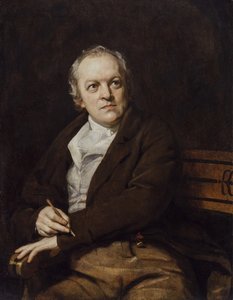
Vilém Blake
1757 - 1827 , Velká Británie
Rychlé informace o umělci
- Artistic Movement Or Style: Romantismus
- Artists Who Influenced This Artist:
- Raphael
- Michelangelo
- Date Of Birth: 1757
- Full Name: William Blake
- Nationality: Británie
- Notable Artworks:
- Songs of Innocence & Exp.
- The Tyger
- Jerusalem
- Place Of Birth: Londýn, UK
Související články

Romantic Realism's Finest: 10 Masterpieces for Your Home | AllPaintingsStore
Explore 10 defining masterpieces of Romantic Realism! Discover Courbet, Millet & Daumier's powerful paintings—capturing emotion and social realities. Find museum-quality reproductions for your home at AllPaintingsStore.com.

Masterpieces of the Last Supper: An Art Historian's Journey Through Iconic Depictions of a Sacred Moment
Explore the profound artistry of The Last Supper through an art historian's lens. From Leonardo da Vinci’s genius to diverse Renaissance interpretations, discover the symbolism and technique behind history's most iconic sacred depictions.
Sir William Blake Richmond: A Visionary of Aestheticism & Symbolism
Explore the life & art of Sir William Blake Richmond, a pivotal figure bridging Pre-Raphaelitism and Aestheticism. Discover his stunning portraits, mosaics at St Paul's Cathedral, and lasting influence on Victorian art.

William Blake: Romantic Visionary & Mystical Genius of the Imagination
Explore the mystical art & poetic genius of William Blake (1757-1827). Discover his revolutionary illuminated printing, rich symbolism, and lasting influence on Romanticism. Find handmade reproductions at AllPaintingsStore.

Illuminating Surfaces: A Comprehensive Exploration of Tempera on Panel Painting Techniques & Historical Significance
Explore the rich history & techniques of tempera painting! Discover Renaissance masters like Botticelli & Fra Angelico, conservation insights, and the enduring legacy of this captivating art form. Learn more now!


