


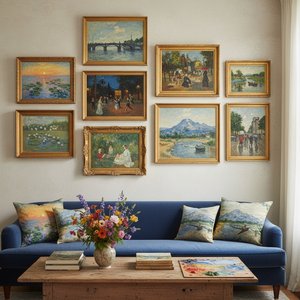
 Náhled v interiéru
 Sdílet
 Sdílet
 Podrobnosti o díle
 Průvodce

 Stáhnout
 Podobné položky
 Rentgenové snímky
 Slideshow
 Statistiky
Winter
 Impressionism
 1931
1931 35.0 x 39.0 cm
 Zobrazit více
Umělecké dílo zobrazené na této stránce je chráněno autorským zákonem, což znamená, že nemůžeme legálně vytvářet ani prodávat jeho identickou reprodukci. Tato ochrana je vymáhána na základě mezinárodních dohod, jako například Berberská úmluva a národními zákony, včetně těch stanovených v Americký autorský zákon – Díl 17. Všechna práva vyhrazena.
Tato metoda je plně v souladu s autorským právem, protože nezahrnuje kopírování ani duplikování chráněného díla. Jde o kreativní reinterpretaci – nový obraz, který je inspirován originálem, ale není s ním identický.
Giclée / Umělecký tisk
Giclée nebo plátěný tisk muzeální kvality s rychlou výrobou a širokou nabídkou povrchových úprav. ( Koupit ručně malovaný obraz Přepnout na digitální obraz)




































Vyberte si z našich přednastavených velikostí, které odpovídají původním proporcím díla.

Zadejte šířku a výšku, které potřebujete pro váš rám nebo stěnu. Tisk lze pouze oříznout, nikdy však nelze zvětšit obraz nad jeho původní rozměr, proto při výběru jiného formátu dochází ke ztrátě části obrazu. Před samotným tiskem vám zašleme digitální náhled k schválení. Obraz zobrazený na této stránce nenabízí skutečný výřez — ten uvidíte pouze v náhledu.
Celosvětové doručení () do 2 týdnů namísto standardních 4/5 týdnů. (26 říjen)

Zdarma celosvětová expresní doprava

Vysoce kvalitní lněné plátno

Kompletní pojištění přepravy

Záruka vrácení celního poplatku

Záruka věrného barevného souladu

100dení lhůta pro vrácení zboží (pouze při vadách výroby)

100% záruka vrácení peněz

Sleva při více objednávkách
 Skleněná varianta je dostupná pouze u rozměrů menších než 110 cm

Winter
Giclée / Umělecký tisk
Rozměry reprodukce
-


Celková cena za vybrané možnosti reprodukcí
Kč 1369
Podobná díla


Biografie umělce
William Moore I (1730 – 1806): The Painter of Everyday Life
William Moore I was a British artist who achieved considerable renown during the Georgian era, primarily for his unflinching portrayal of London life and social commentary. Unlike many artists of his time focused on grand historical narratives or mythological subjects, Moore dedicated himself to capturing the gritty realities of urban existence – scenes from taverns, marketplaces, and domestic interiors – offering a uniquely insightful glimpse into the lives of ordinary people. Moore’s artistic style is often described as Hogarthian, referencing the celebrated British painter Henry Raeburn's influence. Like Hogarth, Moore employed meticulous detail and realism to depict commonplace subjects with an acute awareness of human psychology. He wasn’t interested in idealizing his subjects; instead, he presented themwarts and all, exposing both their virtues and vices with unflinching honesty. This approach distinguished him from the prevailing artistic conventions of the period, which tended towards decorative elegance rather than social critique. Born in Dublin in 1730, Moore's early life remains somewhat obscure, though he apprenticed under Jonathan Richardson Sr., a prominent portrait painter known for his theatrical and expressive style. Richardson instilled in Moore a commitment to observation and psychological realism—principles that would shape his artistic vision throughout his career. He honed his skills by studying anatomy and drawing from plaster casts, techniques considered essential for achieving accurate representation of the human form. Moore’s prolific output spanned across various mediums including oil paintings, watercolors, mezzotint prints, and etchings. His most celebrated works include “The Gin Drinker,” “Marriage Portfolio,” and “A Laughing Cavalier,” which collectively constitute a powerful indictment of social hypocrisy and moral decay. These prints, particularly "The Gin Drinker," are considered masterpieces of satirical art, skillfully combining visual storytelling with psychological insight to convey complex ideas about human behavior. The Gin Drinker depicts a man consumed by alcohol and despair, highlighting the detrimental effects of excessive indulgence on both body and mind—a theme that resonated deeply with audiences of the time. Furthermore, Moore’s artistic endeavors extended beyond mere depiction; he actively engaged in theatrical productions, designing sets and costumes for operas and plays. This involvement fostered his understanding of visual composition and storytelling within a broader context, enriching his artistic sensibilities. He collaborated extensively with composers like Johann Christian Bach and Giuseppe Sammartini, contributing to the flourishing musical culture of London during the Georgian period. Moore’s influence on subsequent generations of artists is undeniable. His unwavering commitment to realism and psychological observation paved the way for Impressionism and Realism movements in the 19th century. Artists such as Gustave Courbet and Jean-François Millet drew inspiration from Moore's approach, prioritizing truthful representation over idealized beauty—a legacy that continues to inspire contemporary art practitioners today. William Moore I remains a pivotal figure in British art history, remembered not for grand narratives but for his profound understanding of human nature and his courageous portrayal of the everyday world.
Rychlé informace o umělci
- Full Name: William Moore I
- Nationality: British
- Place Of Birth: London, England
- Notable Artworks:
- Marriage Portrait
- The Painter's Family
- Artistic Movement Or Style: Hogarthian Style
- Artists Who Influenced This Artist:
- Nicolas Poussin
- Joshua Reynolds
- Artists Or Movements Influenced By This Artist: ['British Rococo']
Související články

Capturing the Soul: The Most Emotionally Moving Impressionist and Post-Impressionist Masterpieces
Discover the profound emotional depth of Impressionist and Post-Impressionist masterpieces. Explore how legends like Monet, Van Gogh, and Gauguin captured light and soul through evocative landscapes and vibrant brushwork for a timeless connection to art history.
Top 10 impresionistických krajin: Mistrovská díla, která změnila umění | AllPaintingsStore.cz
Prozkoumejte 10 ikonických impresionistických krajin od Monet, Renoir a dalších. Objevte příběhy umělců, techniky a barvy, které definovaly toto revoluční hnutí. Najděte dokonalý obraz pro váš interiér na AllPaintingsStore.cz

Penry Williams: Evoking Welsh Nostalgia Through Impressionistic Landscapes
Explore the captivating world of Penry Williams (1802-1885), a Welsh artist renowned for his evocative Impressionistic landscapes and scenes of Italy. Discover his life, style & legacy with AllPaintingsStore.

Top 10 impresionistických krajin: Mistrovská díla, která změnila umění | AllPaintingsStore
Prozkoumejte 10 ikonických impresionistických krajin od Monet, Renoir a dalších. Objevte příběhy umělců, techniky a barevnost tohoto revolučního hnutí. Najděte perfektní obraz pro váš interiér na AllPaintingsStore.com

Golden Fields & Sun-Drenched Meadows: Capturing the Soul of Impressionist Landscapes
Immerse yourself in the luminous world of Impressionist landscapes. Discover how masters like Monet and Gauguin captured ephemeral light through plein air painting, and learn to bring the soul of sun-drenched meadows into your home with exquisite, hand-painted oil reproductions.

