


 Zobrazit v interiéru
 Odeslat
 Sdílet
 Podrobnosti
 Průvodce

 Stáhnout obrázek
 Podobné kousky
 Rentgenové snímky
 Slideshow
 Statistiky
William Patrick
 101.0 x 88.0 cm
 Přečíst si více
Giclée / Umělecký tisk
Giclée nebo plátěný tisk muzeální kvality s rychlou výrobou a širokou nabídkou povrchových úprav. ( Objednat ručně malovanou reprodukci Přepnout na digitální verzi obrazu)




































Vyberte si z našich přednastavených velikostí, které odpovídají původním proporcím díla.

Zadejte šířku a výšku, které potřebujete pro váš rám nebo stěnu. Tisk lze pouze oříznout, nikdy však nelze zvětšit obraz nad jeho původní rozměr, proto při výběru jiného formátu dochází ke ztrátě části obrazu. Před samotným tiskem vám zašleme digitální náhled k schválení. Obraz zobrazený na této stránce nenabízí skutečný výřez — ten uvidíte pouze v náhledu.
Celosvětové doručení () do 2 týdnů namísto standardních 4/5 týdnů. (25 říjen)

Zdarma celosvětová expresní doprava

Vysoce kvalitní lněné plátno

Úplné pojištění přepravy

Záruka vrácení celního poplatku

Záruka věrného barevného shodu

100dení lhůta pro vrácení zboží (pouze při vadách výroby)

100% garance vrácení peněz

Sleva při více objednávkách
 Skleněná varianta je dostupná pouze u rozměrů menších než 110 cm

William Patrick
Giclée / Umělecký tisk
Velikost reprodukce
-


Celková cena
Kč 1367
Související díla


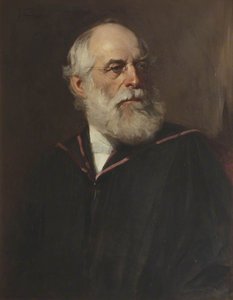

Biografie umělce
William Pratt (1855 – 1936): Bridging Romanticism and Impressionism in Scottish Landscape Painting
William Pratt was born in Glasgow, Scotland, in 1855, into a family steeped in artistic tradition. His father, Robert Pratt, was a solicitor who fostered an appreciation for the arts within his household, nurturing William’s early fascination with drawing and painting—a passion that would define his lifelong career. While biographical details remain somewhat sparse compared to some contemporaries, Pratt's formative years instilled him with a meticulous eye for detail and a profound connection to the Scottish Highlands, influences that would permeate his artistic output.- Early Training & Influences: Pratt’s formal artistic education commenced at Glasgow School of Art, where he honed his skills under instructors who championed academic realism alongside burgeoning Romantic ideals. Notably, Sir David Wilkie RA and William Mulready RA served as pivotal mentors, shaping Pratt's understanding of composition, tonal harmony, and the expressive potential of landscape painting—elements that would become hallmarks of his distinctive style.
- Parisian Period & Impressionistic Sensibilities: Recognizing the importance of broadening artistic horizons, Pratt traveled to Paris in 1879, immersing himself in the vibrant atmosphere of the Belle Époque and encountering the burgeoning Impressionist movement firsthand. This exposure profoundly impacted his approach to color and brushwork, subtly transitioning him away from strict academic conventions toward a more luminous and atmospheric palette—a stylistic shift that aligns with the broader artistic currents of the era.
Notable Landscape Paintings & Artistic Style
Pratt’s oeuvre comprises approximately seventy paintings exhibited at The Royal Scottish Academy between 1877 and 1929, showcasing his unwavering dedication to capturing the grandeur and serenity of Scotland's mountainous terrain. His canvases are characterized by a remarkable level of technical precision—particularly evident in his meticulous rendering of textures and tonal gradations—yet simultaneously imbued with an emotive quality that transcends mere topographical accuracy. Pratt skillfully employed atmospheric perspective, layering colors to convey depth and luminosity, mirroring the techniques championed by Impressionists like Claude Monet and Frédéric Bazille. Recurring motifs included dramatic vistas overlooking lochs and glens, intimate depictions of Highland cottages bathed in golden light, and evocative portrayals of heather-covered hillsides—subjects that resonated deeply with the Romantic sensibility prevalent during his time.- Recurring Themes: Pratt’s artistic vision consistently centered on exploring the sublime beauty of Scotland's natural landscape, reflecting a broader preoccupation with capturing the grandeur and majesty of nature—a tradition rooted in Romantic art philosophy.
- Technique & Materials: He favored oil paints on canvas, utilizing glazing techniques to achieve subtle tonal variations and enhancing the richness of color palettes. His meticulous brushwork contributed significantly to the textural qualities of his paintings, conveying a palpable sense of immediacy and capturing fleeting moments of atmospheric drama.
Auction Records & Legacy
William Pratt’s artwork has achieved considerable recognition within the art historical canon. Auction records indicate that “Burning the Shaws” sold for £21,600 (premium) in 2005 and “Study of a Head” fetched £4000 in 2019—demonstrating continued interest in his oeuvre among collectors worldwide. Furthermore, Pratt’s paintings reside in prominent Scottish museums including Dumbarton, Crail, Glasgow and Paisley Museums. His enduring influence can be discerned in subsequent generations of Scottish landscape artists who embraced similar stylistic approaches and thematic concerns—solidifying his position as a pivotal figure in the development of British Romanticism and Impressionism.Further Research Resources
AskART lists William Pratt in 0 of its research Essays. AskART’s database currently holds 79 auction lots for William Pratt (of which 45 auction records sold and 0 are upcoming at auction.) His artist signature examples can be found on our website.
William Pratt
1855 - 1936
Rychlé informace
- Full Name: William Pratt
- Nationality: Scottish
- Date Of Birth: 1855
- Date Of Death: 1936
- Place Of Birth: Glasgow, Scotland
- Notable Artworks:
- Burning the Shaws
- Study of a Head
- Artistic Movement Or Style: Romanticism
- Artists Who Influenced This Artist:
- Sir David Wilkie RA
- William Mulready RA
- Artists Or Movements Influenced By This Artist: ['Romanticism']

