


 Náhled v interiéru
 Sdílet
 Sdílet
 Podrobnosti o díle
 Průvodce

 Stáhnout
 Podobné položky
 Rentgenové snímky
 Slideshow
 Otázky a odpovědi
 Statistiky
Ateliér


 Zobrazit více
Získejte soubor připravený k tisku, který svou kvalitou výrazně převyšuje webový náhled. Každý prodávaný digitální obraz pochází z vysokorozlišeného originálu v naší databázi – obvykle o šířce 5 000 až 15 000 pixelů – díky čemuž můžete tisknout ve velkém formátu, provádět těsný střih nebo si s jistotou užít i ty nejjemnější detaily.
Žádný soubor neopustí naše studio bez úprav. Digitální expert kontroluje barvy v porovnání s původním malířským dílem a v případě potřeby je upravuje, poté pomocí profesionálních nástrojů pro retuš zvyšuje ostrost a detailnost — přičemž vždy zůstává věrný tahům štětcem a stylu umělce. Výsledkem je obraz, který vypadá jako malba, nikoliv jako naskenovaný snímek s filtrem.
Schvalování před dokončením: náš expert vám do 72 hodin zašle obraz e-mailem k revizi. Nejsste spokojeni? Můžete požádat o úpravy či opravy, nebo si můžete vyžádat vrácení peněz, pokud kvalita neodpovídá vašim očekáváním.
Tuto kvalitu využívají vydavatelství, designová studia, galerie i tiskárny.
Digitální obrazy
Stáhněte si soubor ve vysokém rozlišení pro osobní prohlížení, tisk nebo kreativní projekty. ( Přepnout na tisk Koupit ručně malovaný obraz)
Součást každé objednávky digitálního obrazu
Profesionální digitální doručení, zaručené
Když si vyberete AllPaintingsStore.com, nezískáváte pouze obrázek – získáváte digitální umělecké dílo s profesionálně vylepšenými detaily, zpracované s precizností a podpořené zárukou za spokojenost. Zde je vše, co vaše objednávka automaticky obsahuje:

Rychlé doručení e-mailem
Váš digitální obraz ve vysokém rozlišení vám bude zaslán e-mailem do 72 hodin od objednávky – připraven k okamžitému použití.

Digitální soubor s využitím AI
Vaše umělecké dílo je profesionálně optimalizováno pomocí pokročilých nástrojů umělé inteligence a manuální úpravy, což zajišťuje maximální úroveň detailu, ostrosti a přesnosti barev.

Doživotní bezplatné znovuodeslání digitálních obrazů
Soubor jste omylem smazali nebo ztratili? Žádný problém – kdykoliv vám ho znovu zašleme zcela zdarma.

Bez poplatků za dovoz – navždy
Užijte si své umělecké dílo okamžitě bez celních poplatků, daní nebo nákladů na dopravu – digitální stažení je vždy bez daňových povinností.

Záruka přesnosti barev
Díky profesionálním nástrojům a správě barev zajišťujeme, aby váš digitální obraz odrážel původní barvy co nejvěrněji.

100dená záruka spokojenosti
Pokud nebudete s digitálním obrázkem spokojeni, provedeme jeho revizi nebo vám vrátíme 100% platby do 100 dnů – bez jakýchkoliv dotazů.

100% záruka vrácení peněz
Nespokojeni? Získejte plnou náhradu peněz do 100 dnů od obdržení digitálního souboru – bez zbytečných dotazů.

Slevy při hromadných objednávkách
Koupě 3 obrazů ušetří 10% – Koupě 5 obrazů ušetří 15% – Koupě 10+ obrazů ušetří 20%. Ideální pro kreativní projekty, galerie a agentury.
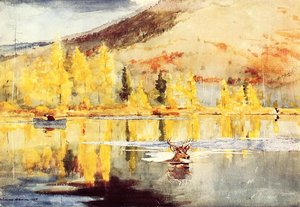
Okno do bohémské harmonie: Prozkoumání „Atelié“ Winsloweho Homera
Winslow Homer, narozen v Bostonu v roce 1836, nebyl vytvořen pevnými konvencemi evropských uměleckých akademií; spíše vyrostl z výrazně amerického ducha – charakterizovaného praktičností a ostrým pozorování. Jeho umělecká cesta začala nevelkými historickými narracemi, ale jako komerční ilustrátor v dvanácti letech pro Harper’s Weekly, zkušenost, která mu instilovala bezkonkurenční schopnost zachytit scény s ohromující jasností a detailem – dovednosti, které se staly základem jeho slavného díla. Nestudoval perspektivu z pařížských ateliérů; absorboval podstatu Ameriky samotné: její živé krajiny, její pracovitý obyvatelstvo měst a její rozvíjející se příběh. Hněmi ulice Bostonu, tichá důstojnost života na venkově Nového Anglie – to byly jeho počáteční předměty, vykreslené s přesností vyžadovanou nároky tisku. Toto formující stáž mu poskytla neocenitelný vhled do toho, jak převést vizuální zkušenost do poutavé obrazové výlohy.Kompozice a technika: Zachycení světla a atmosféry
„Atelié“, dokončené v roce 1867, je příkladem mistrovského ovládání oleje na plátně u Homera. Malba se vyhýbá dramatické kjarostru – ostrym kontrastům světla a temna oblíbeným mnoha romantickými malíři – namísto toho volí jemnější tónovou paletu, která scéně dodává eterický lesk. Homer s výbornou dovedností využívá techniky lejeření, nanášejíc tenké okrasy barvy na podkladové vrstvy k vytvoření hloubky a luminiscence. Pozorujte, jak zachytil rozptýlené slunce pronikající oknami, které osvětluje tváře muzikantů a vrhá jemné stíny po podlaze atelié. Uspořádání nábytku – židle strategicky umístěné kolem místnosti – přispívá k pocitu vyvážené kompozice, která vede pohled diváka k centrálním postavám zapojeným do svých hudebních činností.Symbolika v každodenním životě: Odraz pařížského vlivu
„Atelié“ není pouhou shromážděním domácího interiéru; je nasycen symbolickou rezonancí odrážející Homerův kontakt s rozvíjejícími se uměleckými trendy Paříže během jeho formativních let. Přítomnost hudebních nástrojů – cello a violin – reprezentuje kreativitu, intelektuální stimulaci a usilování o krásu – témata běžná v francouzských uměleckých kruzích té doby. Dále rozptýlené obrazy zdobnící stěny symbolizují zapojení umělce do širších kulturních proudů a jeho vlastního tvůrčího procesu. Homerova rozhodnutí vykreslit obyčejné muže zapojené do každodenní aktivity mluví o ambici amerického realizmu, která je zvednout každodennost na něco hlubokého.Americký realismus: Slava současnému zážitku
„Atelié“ stojí jako kámen milníku amerického realizmu, hnutí, které se snažilo vykreslit současné společenské reality s neochvějnou upřímností a citlivostí. Na rozdíl od romantického idealismu – který často idealizoval přírodu a hrdinské postavy – realismus cílil na zobrazení života tak, jaký byl skutečně, zachycující textury a nuance každodenní existence. Homerova díla dokonale odpovídají této estetice, demonstrující jeho schopnost destilovat komplexní emoce a myšlenky do vizuálně působivých obrazů. Je to svědectví jeho přesvědčení, že umění by mělo sloužit jako zrcadlo odrážející lidský stav.Emocionální rezonance: Najít inspiraci v tiché kontemplaci
Konečně „Atelié“ překračuje své formální prvky a vyvolává silnou emocionální odezvu. Klidná atmosféra malby vyzývá k kontemplaci a nutí diváky přemýšlet o kráse inherentní v jednoduchých aktivitách – radosti hudby, úlevě spilebnosti a transformativní síle umělecké inspirace. Homerův mistrovský portrét zachycuje nejen to, co *vypadá* jako atelié, ale i to, jak se *cítí* – prostor plný potenciálu osvětlený tichou důstojností lidského úsilí. Pro ty, kteří chtějí ponořit do ducha amerického realizmu nebo si přejímají nádhernou reprodukci, prozkoumejte Winslowa Homera: Atelié na AllPaintingsStore.Otázky a odpovědi
Jak mohu získat digitální kopii díla „Ateliér“ od Winslow Homer?
Digitální obraz díla „Ateliér“ od Winslow Homer si můžete zakoupit na jeho stránce pro digitální objednávky Digitální snímek: stažení digitálního obrazu ve vysokém rozlišení.
Jakou celkovou náladu vyzařuje „Ateliér“ od Winslow Homer?
„Ateliér“ má Klidná atmosféra atmosféru.
Kde mohu najít statistiky k dílu „Ateliér“ od Winslow Homer?
Stránka Statistiky díla „Ateliér“ od Winslow Homer zobrazuje statistiky veřejných návštěv: měsíční návštěvnost tohoto díla, srovnání s nejvíce prohlíženými díly daného umělce a původ jeho návštěvníků.
Podobná díla



![Indian Tobacco Shop Sign [reverse, Indian Facing Right] — Winslow Homer, Contemporary Realism](/media/artworks/images-thumb/74/22/7422432cafc295265ef3b7f7fa62d35d.jpg)


Biografie umělce
The Life and Origins of Winslow Homer
Winslow Homer arrived in Boston, Massachusetts, on February 24, 1836. He was the second of three sons born to Charles Savage Homer and Henrietta Maria Benson. His father, a merchant, eventually left the family to seek a fortune in the California gold rush. This departure left the household to be shaped by the presence of his mother, Henrietta Maria Benson Homer. She was a gifted amateur watercolorist who became his first teacher, passing on a way of seeing the world through the delicate application of color.
The boy grew up in a household where the quiet work of art was a known presence. While his father pursued distant opportunities, the influence of his mother’s watercolors remained. This early exposure to the medium helped form the foundation of his later work. His childhood in rural Cambridge, Massachusetts, provided a backdrop of steady, observant life before he moved toward the more frantic pace of commercial work.
Early Life, Family and Training
Growing up in the rural stretches of Cambridge, Massachusetts, provided a quiet backdrop to his early years. He began sketching at the age of eleven, finding his way through the simple act of drawing. His mother, a watercolorist who painted studies of plants and flowers, was his first teacher. She shared a close relationship with him, passing down both her artistic talent and a certain temperament. His father, a merchant, was a restless man who eventually left the family to seek fortune in the California gold rush and later in Europe.
At nineteen, he entered a two-year apprenticeship with J. H. Bufford, a commercial lithographer in Boston. It was a repetitive, treadmill experience. He spent his days working on sheet music covers, a task that required a specific kind of discipline and a steady hand. This period of commercial work helped develop the clarity and detail that would later define his vision. He eventually moved toward formal study, attending classes at the National Academy of Design until 1863. During this time, he also spent a brief period studying with Frederic Rondel.
The Freelance Illustrator and War Correspondent
By 1857, the independence of a freelance career was already underway, following a decision to decline a position at Harper's Weekly. He opened his own studio in Boston, spending nearly twenty years working as an illustrator. His drawings appeared in various publications, including Ballou's Pictorial. In 1859, he moved to New York City, a shift that placed him at the center of the country's publishing activity.
The outbreak of the American Civil War changed the nature of his observations. Harper's sent him to the front lines between 1861 and 1865. As a "special artist," he was assigned to chronicle the lives of Union troops in Virginia. He spent his time sketching the realities of camp life and the scenes of battle. These sketches were not merely drawings; they were records of the movement and the quiet, often heavy moments of the soldiers.
- Sharpshooter on Picket Duty (1862)
- Home, Sweet Home (1863)
- Prisoners from the Front (1866)
Artistic Development in New York and Europe
In 1859, Homer moved to New York City and opened a studio in the Tenth Street Studio Building. This move marked a shift from his earlier freelance work toward a more focused pursuit of painting. He spent time studying at the National Academy of Design until 1863, taking lessons from Frédéric Rondel. During these years, he began to move away from the simple outlines of his commercial engravings and toward the weight of oil painting. His work from this period often dealt with the realities of the era, including the effects of war on the home front.
The years that followed saw him traveling through New York State, Virginia, and Massachusetts. In 1867, he spent a year in France and visited Europe, an experience that coincided with his growing interest in the landscape. By the 1870s, his focus had shifted toward scenes of childhood and young women, reflecting a certain nostalgia for simpler times. He was developing a style that was objective and true to what he observed, avoiding the polished refinements often found in the academies of the time.
In 1881, he began a two-year stay in England, living in Cullercoats, near Newcastle. This period of living near the coast would influence the way he approached the sea in his later years. He was no longer just an illustrator of social scenes; he was becoming a painter of the elements.
The Maine Years and Tropical Travels
In 1884, Homer moved to Prout's Neck, Maine. He stayed there for the next three decades, living and painting in a studio that had been expanded and altered to suit his needs. The building sat on a stretch of coast where the Atlantic was a constant presence. He spent much of his time there, often painting from a balcony that overlooked the water, even during the winter months.
The heavy Maine winters prompted a change in scenery. Between 1884 and 1905, he made several trips from the coast of Maine to the tropics. He traveled to the Bahamas, Florida, Cuba, and Bermuda. These excursions took him to the Caribbean and the Adirondacks, as well as through Canada. In these warmer places, he used watercolors to capture the light and the different textures of the landscape.
- Natural Bridge, Bahamas (1898)
- Woman Standing by a Gate, Bahamas (1885)
- Spanish Moss at Tampa (1886)
Technique, Style and Artistic Mastery
His early work in commercial engravings relied on clean outlines and simplified forms. He used a dramatic contrast of light and dark to define his subjects. This graphic clarity carried over into his later paintings. In his major studio works in oil, the paint carries a sense of weight and density. He often employed chiaroscuro, using the interplay of light and shadow to sculpt form and build atmosphere on the canvas.
He was equally prolific in watercolor. His approach to the medium was fluid and direct. When painting the Caribbean, he used the inherent transparency of the watercolor to replicate the crystalline clarity of the Bahamian sea. This ability to handle both the heavy application of oil and the delicate washes of watercolor allowed him to capture different aspects of the natural world.
Key Works and Masterpieces
His early work shows a focus on the small details of domestic life. In Lady Wearing Spectacles, painted about 1840, the subject sits in a chair, her glasses catching the light. This period of his work reflects a quiet observation of the people around him. As the years passed and he moved toward the front lines of the Civil War, the subject matter shifted. He produced Sharpshooter on Picket Duty in 1862 and Home, Sweet Home in 1863, works that captured the reality of the conflict through his sketches and paintings.
The sea became a constant presence in his later years. Breezing Up, painted about 1876, captures the movement of a boat catching a fair wind. By 1885, his focus had turned to the struggle of the fisherman in The Fog Warning, Halibut Fishing. He often returned to the rugged coast of Maine, where the weight of the paint and the texture of the canvas mirrored the heavy, salt-soaked atmosphere of the Atlantic. In 1896, The Lookout - "All's Well" presented a view from the edge of the land, looking out toward the horizon.
His final years were spent watching the tide and the elements. The Gulf Stream, created in 1906, shows a man facing the vastness of the ocean. His last completed work, Driftwood, was painted in 1909. These late paintings carry a sense of the physical world—the spray of the water, the grit of the sand, and the relentless pull of the currents.
- Lady Wearing Spectacles, about 1840
- Sharpshooter on Picket Duty, 1862
- Home, Sweet Home, 1863
- Breezing Up, about 1876
- The Fog Warning, Halibut Fishing, 1885
- The Lookout - "All's Well", 1896
Later Years and Death
The studio at Prout's Neck became the center of his world. From 1884 until the end, he lived and painted within those walls, a space that had been expanded and altered to suit his needs. He spent his final decades there, working through the seasons and finding a rhythm in the coastal light. The building, a two-story structure of 2,200 square feet, held his life and his work in a quiet, steady presence.
He died in Maine in 1910. The end came in his studio on September 30, 1910. He was a man who had spent his life observing the movement of the sea and the weight of the air, and he remained in that space until the very end. His remains were laid to rest at Mount Auburn, in Lot 563 on Lily Path.
Legacy and Historical Significance
Homer remains a central figure in the development of American Realism. His work provides a window into the 19th-century American experience, capturing a nation in the midst of rapid change. He did not look for the polished, academic styles of Europe, but instead focused on the honest, often difficult realities of his own country. This commitment to seeing things as they were—from the aftermath of the Civil War to the shifting landscapes of the coast—ensures his place among the most important artists in the American tradition.
His ability to document the tension between human life and the natural world continues to influence the way contemporary artists approach their subjects. He moved away from the idyllic scenes of his youth to confront the elemental forces of the sea and the quiet resilience of people facing hardship. This shift from pastoral views to a more direct, observational style helped define a uniquely American way of seeing. His paintings do not offer a romanticized version of history; they offer a record of it.
- The Gulf Stream (1906)
- Breezing Up (1876)
- The Fog Warning (1885)
- Undertow (1886)
- Driftwood (1909)
Where to See the Works Today
Tracing the physical presence of his work requires visiting several major institutions across the United States. The Metropolitan Museum of Art in New York holds 26 of his pieces. Nearby, the Brooklyn Museum in New York City maintains a collection of 17 works. For those looking toward the capital, the National Gallery of Art in Washington holds 23 paintings and drawings.
In the Northeast, the Museum of Fine Arts in Boston keeps 16 works in its collection. Further south, the Sterling and Francine Clark Art Institute in Williamsburg holds 12 pieces. These collections offer a way to see the evolution of his hand, from the early sketches of the Civil War to the heavy textures of his later years.
- The Fog Warning, Halibut Fishing (1885)
- The Gulf Stream (1906)
- Driftwood (1909)
- Breezing Up (A Fair Wind) (1876)
- Old Settlers (1892)
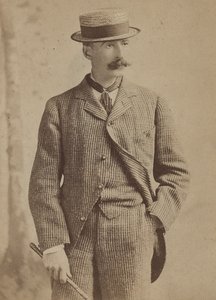
Winslow Homer
1836 - 1910 , Spojené státy americké
Stručné informace
- Artistic Movement Or Style: Americký realism
- Artists Or Movements Influenced By This Artist: ['Americký realism']
- Artists Who Influenced This Artist:
- Courbet
- Millet
- Date Of Birth: 1836
- Date Of Death: 1910
- Full Name: Winslow Homer
- Nationality: Američan
- Notable Artworks:
- Breezing Up (A Fair Wind)
- The Gulf Stream
- Innocence
- Man of Science
- The Fog Warning
- Place Of Birth: Boston, Spojené státy americké