


 Zobrazit v interiéru
 Odeslat
 Sdílet
 Podrobnosti
 Průvodce

 Stáhnout obrázek
 Podobné kousky
 Rentgenové snímky
 Slideshow
 Statistiky
Windswept lakeshore
 Acrylic On Canvas
- WallArt
- Contemporary Realism
 1201
1201 26.0 x 27.0 cm
 Metropolitní muzeum umění
 Přečíst si více
Umělecké dílo zobrazené na této stránce je chráněno autorským zákonem, což znamená, že nemůžeme legálně vytvářet ani prodávat jeho identickou reprodukci. Tato ochrana je vymáhána na základě mezinárodních dohod, jako například Berberská úmluva a národními zákony, včetně těch stanovených v Americký autorský zákon – Díl 17. Všechna práva vyhrazena.
Tato metoda je plně v souladu s autorským právem, protože nezahrnuje kopírování ani duplikování chráněného díla. Jde o kreativní reinterpretaci – nový obraz, který je inspirován originálem, ale není s ním identický.
Giclée / Umělecký tisk
Giclée nebo plátěný tisk muzeální kvality s rychlou výrobou a širokou nabídkou povrchových úprav. ( Objednat ručně malovanou reprodukci Přepnout na digitální verzi obrazu)




P118B Kč10

P118H Kč10

P118W Kč10

P438Z Kč10

P508JH Kč12

P508YH Kč12

P805H Kč10

P805Z Kč10

P919BZ Kč10

P919G Kč10

P919XJ Kč10

P959ZH Kč10

P968JZ Kč12

W106C Kč8

W218G Kč10

W218JH Kč8

W218Y Kč10

W307PJ Kč10

W316G Kč10

W316PJ Kč8

W316Y Kč10

W398PJ Kč8

W4111J Kč10

W500HY Kč15

W500JH Kč15

W692G Kč12

W849H Kč8

W940BG Kč15

W953PJ Kč8




Vyberte si z našich přednastavených velikostí, které odpovídají původním proporcím díla.

Zadejte šířku a výšku, které potřebujete pro váš rám nebo stěnu. Tisk lze pouze oříznout, nikdy však nelze zvětšit obraz nad jeho původní rozměr, proto při výběru jiného formátu dochází ke ztrátě části obrazu. Před samotným tiskem vám zašleme digitální náhled k schválení. Obraz zobrazený na této stránce nenabízí skutečný výřez — ten uvidíte pouze v náhledu.
Celosvětové doručení () do 2 týdnů namísto standardních 4/5 týdnů. (23 říjen)

Zdarma celosvětová expresní doprava

Vysoce kvalitní lněné plátno

Úplné pojištění přepravy

Záruka vrácení celního poplatku

Záruka věrného barevného shodu

100dení lhůta pro vrácení zboží (pouze při vadách výroby)

100% garance vrácení peněz

Sleva při více objednávkách
 Skleněná varianta je dostupná pouze u rozměrů menších než 110 cm

Windswept lakeshore
Giclée / Umělecký tisk
Velikost reprodukce
-


Celková cena
Kč 1373
A Breathless Vista: Xia Gui’s Windswept Lakeshore
Xia Gui, a figure as enigmatic as the landscapes he immortalized, remains one of China's most revered landscape painters from the Southern Song dynasty. Despite the paucity of biographical details—his birth year and personal life largely unknown—the profound impact of his artistic vision persists in the surviving canvases that exemplify an unparalleled sensitivity to natural beauty and a masterful command of technique. Unlike many artists whose lives unfold across documented pages, Xia Gui’s story is primarily conveyed through his art itself, offering tantalizing glimpses into a creative spirit nurtured within the Imperial Painting Academy of Hangzhou. He wasn't merely depicting mountains; he was distilling them down to their core essence—a breathtaking simplification that speaks volumes about his artistic philosophy.The Essence of Minimalist Landscape
Xia Gui’s approach distinguishes him from earlier Song painters who embraced monumental compositions, prioritizing grandeur and scale. Instead, he adopted a radically different strategy, mirroring the aesthetic sensibilities of Li Tang—a deliberate reduction to its most fundamental elements. This stylistic choice resulted in paintings that eschewed elaborate ornamentation and instead focused on conveying immediacy and emotional resonance. The resulting images are strikingly powerful, capturing not just what is seen but how it *feels*. He achieved this remarkable feat by employing a technique characterized by sparse brushstrokes and tonal variations—a masterful distillation of the Song landscape tradition.Technique: Wet Ink Wash – A Dialogue with Silence
Xia Gui’s signature method was wet ink wash, a technique that involved applying diluted ink to paper using delicate brushstrokes and subtle tonal gradations. This approach prioritized capturing atmospheric conditions—misty mornings, hazy sunsets—rather than meticulously rendering every detail. The artist skillfully utilized dots and dashes of ink alongside broad washes of color, creating textures that evoked the rugged grandeur of mountainous terrain. These seemingly simple marks possessed immense expressive potential, conveying a sense of vastness and solitude – mirroring the profound contemplation inherent in observing nature undisturbed.Historical Context: Tranquility Amidst Turbulent Times
Created during the Southern Song dynasty (1195–1224), Xia Gui’s “Windswept Lakeshore” reflects both the serenity and underlying melancholy of a period marked by political instability. The court had retreated southwards to escape Mongol invasions, fostering an atmosphere of quiet resilience amidst external pressures. Yet, within this context of uncertainty, Xia Gui's art embodies a steadfast devotion to capturing the sublime beauty of the natural world—a testament to the enduring human desire for solace and contemplation.Symbolism: Echoes of Daoist Philosophy
The composition itself speaks volumes about Daoist principles – the belief in harmony with nature and acceptance of impermanence. The solitary trees, positioned against an infinite expanse of sky and water, symbolize resilience and adaptability—a quiet defiance of chaos. They invite viewers to consider the insignificance of human concerns within the grand scheme of existence, prompting a meditative response akin to witnessing the timeless beauty of the landscape itself.Emotional Impact: A Moment Frozen in Time
“Windswept Lakeshore” transcends mere visual representation; it evokes a palpable sense of tranquility and awe. The artist’s masterful use of wet ink wash captures not just the physical appearance of the mountains but also their intangible spirit—a feeling of profound stillness and connection to something larger than oneself. It's an artwork designed to inspire contemplation, reminding us that true beauty resides in simplicity and that nature possesses a power to heal and rejuvenate the soul.Otázky a odpovědi
Je dílo "Windswept lakeshore" k dispozici jako umělecká tisknutá reprodukce?
Pokud si chcete pořídit tisk díla „Windswept lakeshore“ od Xia Gui, stačí si jej objednat na jeho stránce Umělecká tiskovina: umělecká tiskovina na bavlněném plátně nebo archivním plátnovém papíře.
Jaké emoce vyvolává „Windswept lakeshore“ od Xia Gui?
„Windswept lakeshore“ vyvolává Tranquil pocity. Emocionální náboj díla popisuje dojem, který z něj vyzařuje.
K kterému uměleckému směru patří „Windswept lakeshore“ od Xia Gui?
„Windswept lakeshore“ je dílo z období Contemporary Realism. Tento směr určuje uměleckou tradici, jejíž je dílo součástí.
Související díla


Biografie umělce
A Master of Subtle Landscapes: The Life and Art of Xia Gui
Xia Gui, a name resonating through the annals of Chinese art history, stands as one of the most significant landscape painters of the Southern Song dynasty (1195–1224). Though shrouded in mystery – details surrounding his birth and personal life remain elusive – his artistic legacy is powerfully present in the surviving works that exemplify a refined aesthetic and profound understanding of nature. Unlike many artists whose lives are well-documented, Xia Gui’s story is primarily told through his paintings, offering glimpses into a masterful technique honed within the Imperial Painting Academy in Hangzhou. He wasn't merely replicating scenery; he was capturing its essence, distilling it down to its most poetic form. His work emerged during a period of cultural flourishing despite political turmoil—the Southern Song court having retreated south from invading forces—and reflects both the serenity and underlying melancholy of that era.The Ma-Xia School and Artistic Development
Xia Gui is inextricably linked to the formation of the influential Ma-Xia school, a pivotal movement in Southern Song landscape painting. Alongside his contemporary, Ma Yuan, he redefined the conventions established by earlier masters like Li Tang. While building upon Li Tang’s foundations, Xia Gui diverged towards a more minimalist and evocative style. Where Li Tang's work often featured grand compositions, Xia Gui favored sparse arrangements, focusing on capturing atmosphere and suggestion rather than meticulous detail. This wasn’t about abandoning skill; it was about elevating the power of implication. He employed subtle ink washes and delicate brushwork to create scenes that felt both intimate and expansive, inviting viewers into a contemplative space. The hallmark of his technique lies in the use of short, angular strokes—often described as “axe-cut” strokes—to depict rocks and foliage with remarkable texture and vitality. This approach wasn’t simply about rendering form; it was about conveying the energy and resilience of nature itself.Technique and Notable Works
Xia Gui primarily worked in two formats: album leaves and hand scrolls. The album leaf, a small-scale painting intended for private contemplation, allowed him to showcase his mastery of detail and atmospheric perspective within an intimate frame. His hand scrolls, however, represent the pinnacle of his achievement. “Pure and Remote View of Streams and Mountains,” a monumental work exceeding nine meters in length, is perhaps his most celebrated masterpiece. This scroll exemplifies his ability to create a sense of vastness and depth using subtle tonal variations and carefully placed compositional elements. The viewer’s eye is led through winding paths, past towering peaks shrouded in mist, and along tranquil streams—a journey that evokes both awe and serenity. Other notable works include “Rapids in a Mountain Valley” and “Autumn Moonlight on Dongting Lake,” each demonstrating his unique ability to capture the mood and character of specific landscapes. He often employed a technique involving a "split brush," allowing for multiple strokes with a single application, adding complexity and dynamism to his depictions of foliage.Legacy and Enduring Influence
Despite initial acclaim during his lifetime, Xia Gui’s reputation waned in the centuries following his death, as academic painting fell out of favor. However, his genius was eventually rediscovered, and his influence began to reassert itself. Notably, Japanese master Sesshū Tōyō, who traveled to China in the 15th century, was profoundly impacted by Xia Gui’s art, incorporating elements of his style into his own work and transmitting them throughout Japan. This cross-cultural exchange ensured that Xia Gui's artistic principles continued to inspire generations of artists. Today, he is recognized as a pivotal figure in Chinese landscape painting—a master who redefined the boundaries of subtlety and suggestion. His emphasis on capturing atmosphere, his minimalist compositions, and his masterful use of ink continue to resonate with artists and art lovers alike, solidifying his place as one of the great visionaries of the Southern Song dynasty. He didn’t just paint landscapes; he painted emotions, memories, and a profound connection to the natural world—a legacy that endures through time.
Xia Gui
1940 - 1973 , United States of America
Rychlé informace
- Full Name: Xia Gui
- Nationality: American
- Date Of Birth: 1940
- Date Of Death: 1973
- Place Of Birth: Chinatown, United States of America
- Notable Artworks:
- Pure and Remote View...
- Twelve Views of Landscape
- Rapids in a Mountain Valley
- Artistic Movement Or Style: Southern Song Landscape
- Artists Who Influenced This Artist: ['Li Tang']
- Artists Or Movements Influenced By This Artist:
- Sesshū Tōyō
- Ma Yuan
Související články
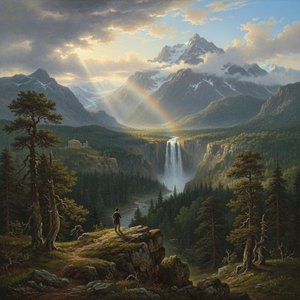
Evoking Nature's Sublime: A Comprehensive Exploration of 19th-Century Landscape Painting
Explore the captivating world of 19th-century landscape painting! Discover renowned artists like Friedrich & Monet, key movements, and find the perfect artwork to bring nature's serenity into your home. Expert insights at AllPaintingsStore.

Evocations of Place: A Historical Journey Through Landscape Art
Explore the rich history of landscape art with AllPaintingsStore. Discover renowned artists, movements like Impressionism & tonalism, and expert guidance for collecting timeless pieces. Find your perfect serene escape today!

Romantická krajina v malbě: 10 mistrovských děl, které definovaly umělecký proud | AllPaintingsStore
Prozkoumejte 10 ikonických děl romantické krajinářské malby! Objevte příběhy Caspara Davida Friedricha, Turnera a dalších mistrů. Reprodukce obrazů nejvyšší kvality pro váš interiér na AllPaintingsStore.com.

Evocations of Place: A Historical Journey Through Landscape Art
Explore the rich history of landscape art with AllPaintingsStore. Discover renowned artists, movements like Impressionism & Romanticism, and expert guidance for collecting timeless pieces. Find your perfect serene escape today!

John Constable: 25 mistrovských děl krajinářské poezie | AllPaintingsStore.com
Prozkoumejte 25 ikonických děl Johna Constabla, mistra anglického krajinářství a romantismu. Obdivujte jeho olejomalby, plátna s venkovskou atmosférou a inspirujte se pro dekoraci interiéru. Reprodukce obrazů nejvyšší kvality na AllPaintingsStore.com

