early life and influences
Suzuki Harunobu, a pivotal figure in the history of Japanese art, emerged from the bustling metropolis of Edo (modern-day Tokyo) in 1725. Details surrounding his early years remain shrouded in mystery—a common characteristic for many artists of the Ukiyo-e period. However, it’s believed he spent his formative years in Kyoto, a city renowned as a center of artistic and cultural refinement during that era. His artistic journey was undoubtedly shaped by a confluence of influences, drawing upon the techniques and styles of several prominent predecessors. Harunobu's work reveals echoes of Torii Kiyomitsu, a master of landscape painting known for his meticulous detail and serene compositions; Ishikawa Toyonobu, another influential artist who pioneered innovative printing methods; the Kawamata School, famed for its delicate brushwork and refined aesthetic; and even the esteemed Kanō School, renowned for its traditional Japanese painting styles. Yet, perhaps the most significant influence on Harunobu’s artistic development was Nishikawa Sukenobu, a painter and printmaker whose techniques he deeply admired and, it is speculated, learned directly from. Sukenobu's ability to capture subtle emotions and graceful figures undoubtedly left an indelible mark on Harunobu’s style.artistic career and innovations
Harunobu’s artistic career began within the framework of the Torii School, a group known for its skillful but somewhat conventional approach to woodblock printing. Initially, his works demonstrated technical proficiency but lacked a truly distinctive voice. However, a pivotal moment arrived when he became involved with a group of literati samurai—members of the upper echelons of society who embraced artistic pursuits as a form of leisure and intellectual engagement. This collaboration proved transformative, propelling Harunobu toward new creative horizons. In 1764, he was entrusted with designing calendars for these samurai, an undertaking that would forever alter the course of Japanese printmaking. These calendar prints, known as *e-goyomi*, marked a groundbreaking shift—they were the first examples of *nishiki-e*, or “brocade prints,” characterized by their vibrant, full-color imagery. Harunobu’s experimentation with premium woodblocks and expensive pigments represented a significant investment in quality and innovation. This period witnessed the birth of a new standard for Japanese printmaking, one that prioritized rich color palettes and intricate detail. A remarkable technical feat was his development of a method to create multiple separate woodblocks for a single image—a process involving carefully carved notches and wedges to precisely align the paper during printing. This ingenious system allowed for the creation of complex compositions with numerous colors, pushing the boundaries of what was previously possible in Japanese printmaking.notable works and their impact
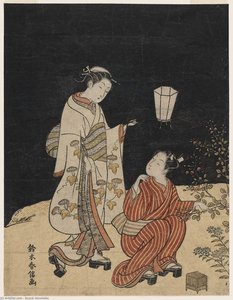
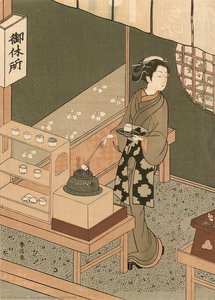
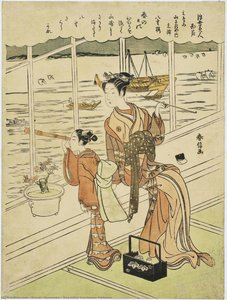
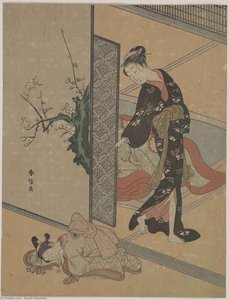
Suzuki Harunobu’s *nishiki-e* prints quickly gained popularity among the *chōnin* class—a growing merchant stratum that had amassed considerable wealth and sought to adorn their homes with exquisite art. His prints, depicting scenes of everyday life, beautiful women, and fleeting moments of pleasure, resonated deeply with this discerning clientele. Two particularly noteworthy series stand out: his “Herons Et Roseaux” (1765), a delicate depiction of herons in a serene landscape, and "A Votive Tablet with Masks of Kabuki Actors at Face Value" (1766), a playful commentary on the theatrical world. These works exemplify Harunobu’s signature style—a harmonious blend of elegance, subtlety, and a touch of irony. His prints were not merely decorative objects; they served as windows into a vibrant and dynamic society, capturing the spirit of the *ukiyo-e* era. The adoption of full-color printing by Harunobu fundamentally changed the landscape of Japanese art, establishing a new aesthetic standard that would profoundly influence generations of artists to come.legacy and influence
Suzuki Harunobu’s legacy extends far beyond his own lifetime. His innovative *nishiki-e* prints played a crucial role in shaping Western perceptions of Japanese art during the late 19th century, particularly during the Japonisme movement. Artists like Hokusai and Hiroshige, who built upon Harunobu's techniques and aesthetic sensibilities, gained international recognition thanks to his pioneering work. The vibrant colors, intricate details, and evocative scenes in Harunobu’s prints captivated European audiences, sparking a renewed interest in Japanese art and culture. His influence can be seen in the works of Impressionist painters like Monet and Degas, who were deeply inspired by the delicate beauty and unconventional perspectives found in *ukiyo-e* prints. Suzuki Harunobu's contribution to the development of Japanese printmaking is undeniable—he not only perfected a revolutionary technique but also established a new visual language that continues to resonate with art lovers today. His work stands as a testament to his artistic vision, technical skill, and enduring legacy.Otázky a odpovědi
Mohu si díla umělce Suzuki Harunobu seřadit podle barvy?
Díla umělce Suzuki Harunobu si můžete prohlédnout podle barev na jeho stránce Sestavení podle barev.
Existuje časová osa děl umělce Suzuki Harunobu?
Díla umělce Suzuki Harunobu můžete prohlédnout v chronologickém pořadí na stránce Chronologie děl.
Mohu si prohlédnout díla umělce Suzuki Harunobu podle barevné palety?
Chcete-li najít díla umělce Suzuki Harunobu v určité barevné paletě, navštivte jeho stránku Podle palet.