Záruka vrácení peněz · 100 dní Doprava po celém světě zdarma
646 446umělecká díla 53 409umělci 5 406muzea 32jazyky

High Medieval umělci at a glance

Famous High Medieval Umělci — Top 96 List

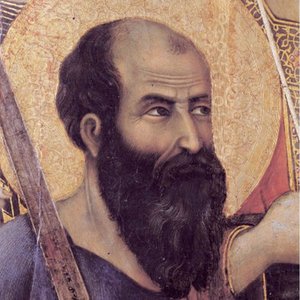
Giotto Di Bondone (1267–1337) is the most famous High Medieval umělec, best known for Madonna in Maest (Ognissanti Madonna) a Č. 31 Scény z života Krista: 15. Zastavení Krista (Půžď Judasův polibek). Then Duccio Di Buoninsegna, Cimabue, Zhao Mengfu a Zhu Xi. The list covers 96 umělci born between 970 and 1269 in 24 countries, from Xu Daoning to Huang Gongwang.

Method. Scope: artists filed under High Medieval in our catalogue. Order: our artist fame ranking. Excluded: artists born after 1955 without a Wikidata identifier. Wikipedia figure: languages with an article, out of our 32.

  1. Madonna in Maest (Ognissanti Madonna) od Giotto Di Bondone1Giotto Di Bondone
  2. Maestá od Duccio Di Buoninsegna2Duccio Di Buoninsegna
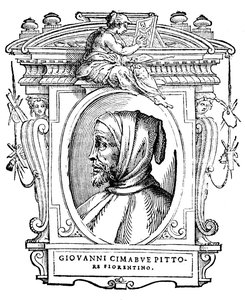
  3. The Madonna in Majesty (Maestà) od Cimabue3Cimabue

Key data

High Medieval: key data

  • 96Umělci
  • 970–1269Roky narození
  • 24Země narození
  • 3Ženy
  • 3Živí umělci
  • 1 429Díla v našem katalogu
Města s nejvyšším počtem narozených
Kyoto (12), Hangzhou (5), Siena (4), Kaifeng (3)

Ranked list

96 High Medieval Umělci, ranked with key works

1/ 96

Giotto Di Bondone

Italský b. Florencie Proto-renesance Wikipedia 31/32
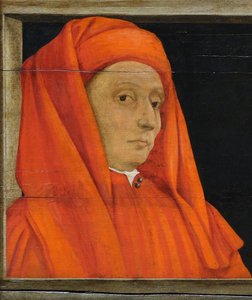
Giotto Di Bondone

Giotto Di Bondone se objevil v zaplazených kopcích nedaleko italské Florencie kolem roku 1267. V letech mezi 1297 a 1300 působil v Římě, což bylo období, kdy se jeho umění střetlo s monumentálním měřítkem náboženských center tohoto velkoměsta. V Padově se nachází Kaple Scrovegni—často nazývaná také Arena Chapel—která v sobě uchovává dílo, jež Giotto Di Bondone dokončil kolem roku 1305.

Trained by Cimabue #3 · Trained Pietro Cavallini #84

Key works · Top 100 works

2/ 96

Duccio Di Buoninsegna

Italská b. Siena Sienská škola, Trecento gotika Wikipedia 31/32

Duccio Di Buoninsegna

The Virgin and Child with Saints Dominic and Aurea (1312). Narodili se v italské Sieře kolem roku 1255 nebo 1256, Duccio Di Buoninsegna vyrostl v rodině, která zásadně ovlivnila jeho samotnou identitu. Ve Florencii si společnost Compagnia dei Laudesi di Maria Vergine nechal nechat vytvořit Rucellai Madonna pro kapli ve svém kostele.

Trained by Cimabue #3

Key works · Top 100 works

3/ 96

Cimabue

Italijský b. Florencie Byzantský & Renesance Wikipedia 28/32

Cimabue

The Virgin and Child in Majesty surrounded by Six Angels (1270). Následoval Křížovec v San Domenico v Arezzo, datovaný kolem roku 1270, kde se zdá, že tělo Krista pod vahou vlastní agonie pokrčí. V Paříži chrání Musée du Louvre jeho Maestà, dílo, které kdysi zdobilo kostel San Francesco v Pise.

Key works · Top 100 works

4/ 96

Zhao Mengfu

Čínská b. Huzhou Malba literátů; Malba krajiny Wikipedia 18/32

Zhao Mengfu

Zhao Mengfu (1254–1322) stojí jako monumentální postava umění dynastie Yuan a možná i zakladatel moderní čínské krajinářské malby. Zhao byl narozen do šlechtické rodu dynastie Song, jehož raný život byl poznamenán privilegii, ale také formován bouřlivými politickými časy – mongolským podmaněním, které hluboce změnilo kulturní krajinu Číny.

Key works · Top 100 works

5/ 96

Zhu Xi

Wikipedia 31/32

Zhu Xi

Zhu Xi byl významným čínským filozofem, historikem, politikem, poetou a kaligrafem éry jižní dynastie Song. Během svého života zastával Zhu Xi mnohokrát úřednické funkce, včetně období, kdy působil jako prefekt vojenské oblasti Nankang, kde se mu podařilo oživit slavnou akademii White Deer Grotto. Kromě svých filozofických přínosů byl Zhu Xi i mistrem kaligrafie.

Key works · Top 100 works

6/ 96

Ma Yuan

čínská b. Hangzhou škola Ma-Xia, dynastie Jižní Song Wikipedia 19/32

Ma Yuan

Abychom pochopili krajinu dynastie Jihoji Severního Songu, musíme se podívat na to, jak Ma Yuan pracoval s prázdnotou. V dílech jako Učenec kontemplující vodopád je inkwash (lavování inkoustem) vrstveno s precizností, přičemž se využívají jemné tónové gradace k budování hloubky a atmosféry bez spoléhání se na těžké obrysy.

Key works · Top 100 works

7/ 96

Guo Xi

Čínská b. Yancheng Pejzážní malba dynastie Severní Song Wikipedia 16/32

Guo Xi

Guo Xi (郭熙), narozen kolem roku 1020 v provincii Jiangsu v čínském městě Yancheng, vyrostl ve rodině hluboce zakořeněné v konfuciánském učení—tradici, která zásadně formovala jeho uměleckou citlivost. Guo Xi je pro čínské umění postavou, jejíž přínos je neoddělitelně spjat s rozkvétajícím hnutím krajinářské malby éry Severního Songu.

Key works · Top 100 works

8/ 96

Císař Huizong Ze Song

Čínská b. Kaifeng Dynastie Song; kaligrafie Slender Gold Wikipedia 19/32

Císař Huizong Ze Song

V kronikách čínské historie má málo postav tak hluboce ztělesňujících tragické průsečík vznešeného umění a politické katastrofy, jako je Císař Huizong Ze Song. Jako patron proměnil císařský dvůr v útočiště pro talentované tvůrce a založil Hanlin Imperial Painting House, aby zgromadil nejlepší mistry z celého impéria. Umělecké dědictví, které zanechal Císař Huizong Ze Song, je nejživěji vyjádřeno v jeho mistrovství v zachycování jemných, naturalistických motivů.

Key works · Top 100 works

9/ 96

Muqi

Čínská b. Sčchuan Malba Chan Wikipedia 14/32

Muqi

Muqi Fachang, v dějinách známý pod uměleckým jménem Muqi nebo Muxi, nebyl pouze malířem, ale duchovním médiem, které překládalo hluboké ticho buddhismu Chan do jazyka inkoustu a papíru. Narodil se menjelik éry dynastie Jižní Song a žil v době obrovských kulturních proměn, přičemž jeho dílo se stalo mostem mezi strukturovanými tradicemi minulosti a novým, intuitivním způsobem vidění světa.

Key works · Top 100 works

10/ 96

Guido Da Siena

Francouzská b. Itálie Středověká architektura/design Wikipedia 17/32

Guido Da Siena

Villard de Honnecourt, postava zahalená v fascinující tajemnosti, stojí jako jeden z nejvýznamnějších, a přesto nejzáhadnějších umělců třináctého století ve Francii. Narodil se kolem roku 1230 v Picardii – regionu proslulém svou uměleckou vitalitou v této době – a Villardovo dědictví spočívá téměř výhradně v jeho neuvěřitelné „skicové knize“, neboli albumu, který je dnes uložen ve Francouzské národní knihovně v Paříži.

Key works · Top 100 works

11/ 96

Bonaventura Berlinghieri

Italská b. Lucca Byzantine styl Wikipedia 14/32

Bonaventura Berlinghieri

Bonaventura Berlinghieri, významný italský malíř z Lucca v Itálii, se prosadil během 13. století (1210–1287). Jeho otec, Berlinghiero Berlinghieri, spolu se sourozenci Baronem a Marcom Berlinghieri, byli rovněž zdatnými umělci. Svatý František z Assisi (1235), zakázkové dílo pro kostel San Francesco v Pescii v Itálii, patří k nejstarším zobrazením svatého Františka, který byl kanonizován v roce 1228.

Key works · Top 100 works

12/ 96

Master Mateo

Spanish Romanesque Sculpture

Master Mateo

While his contemporaries often relied on stylized, flat figures, Mateo meticulously studied human anatomy and the complex behavior of drapery, achieving an astonishing accuracy in his depictions.

Key works · Top 100 works

13/ 96

Giovanni Pisano

Italská b. Pisa Spojení gotiky a antiky

Giovanni Pisano

Giovanni Pisano se v roce 1248 zrodil v uměleckém tyglu italského Pisy. Jeho raná léta byla hluboce zakořeněna v tradici monumentálního řemesla, neboť byl synem slavného sochaře Nicoli Pisana. Jeho rané spolupráce s Nicolou na významných dílech, jako je pulpit v katedrále v Sienu (1265–1268) a fontána Fontana Maggiore v Perugii (dokončena 1278), odhalují nepopíratné ovládnutí formy, které zdědil po otcově ruce.

Key works · Top 100 works

14/ 96

Mi Fu

Čínská b. Ťiang-su Umělecké proud nebo styl Wikipedia 17/32

Mi Fu

Mi Fei, čínský malíř, básník a kaligraf, se narodil v roce 1051 v Taiyuanu během zlatého věku dynastie Song. Tato inovativní technika mu vynesla slávu jako jednomu ze čtyř největších kaligrafů dynastie Song, stojícímu po boku mistrů jako Su Shi, Hung Tingjian a Cai Xian. Zhao Mengfu: Jezci vedoucí bílého koně (Indianapolis Museum of Art, hedvábí) – toto dílo demonstruje hluboký vliv Mi Feiho na pozdější generace umělců.

Key works · Top 100 works

16/ 96

Li Gonglin

b. Tongcheng Song Dynasty painting Wikipedia 9/32

Li Gonglin

Instead, he turned to the works of artists like Zhan Ziqian, known for his precise depictions of horses, and Fan Kuan, celebrated for his monumental landscapes.

Key works · Top 100 works

17/ 96

Ma Lin

Čínská b. Baoding Technika 'bez kostry' (boneless) Wikipedia 7/32

Ma Lin

Pro detailnější ponor do umění Ma Lina a kontextu čínského dvorského malířství doby dynastie Song doporučujeme prozkoumat tyto zdroje: umělecké hnutí Ilkhanidů – pochopení širší umělecké krajiny tehdejší doby.

Key works · Top 100 works

20/ 96

Badīʿ Az-Zaman Abu L-ʿIzz Ibn IsmāʿĪl Ibn Ar-Razāz Al-Jazarī

Muslim b. Jazirat Ibn Omar Islamic Golden Age Engineering

Badīʿ Az-Zaman Abu L-ʿIzz Ibn IsmāʿĪl Ibn Ar-Razāz Al-Jazarī

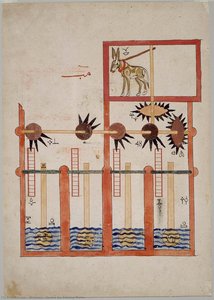
Born in Jazirat Ibn Omar, Turkey, around 1136 and passing away in 1206, Badīʿ az-Zaman Abu l-ʿizz ibn Ismāʿīl ibn ar-razāz al-jazarī – often simply known as al-Jazari – stands as a towering figure in the history of science, engineering, and art. Al-Jazari’s life unfolded within the vibrant, multicultural city of Jazira (modern-day Mosul), a crucial crossroads in the Artuqid dynasty's sphere of influence.

Key works · Top 100 works

21/ 96

Giunta Pisano

Italian b. Pisa Renaissance style Wikipedia 10/32

Giunta Pisano

Byzantine Influence: His early works show clear traces of Byzantine iconography, particularly in the composition and rendering of Christ’s figure. The Crucifix of San Raniero, housed in the Museo Nazionale di San Matteo in Pisa, exemplifies his groundbreaking approach.

Key works · Top 100 works

22/ 96

Xia Gui

Song dynasty b. Hangzhou Wikipedia 16/32

Xia Gui

The surviving works of Xia Gui include various genres, such as small album leaves and hand scrolls. Notable examples of his work include: His influence extended far beyond his own era, impacting the Japanese master Sesshū Tōyō, who was influenced by Xia's idiom and made studies of his landscape fans.

Key works · Top 100 works

23/ 96

Nicola Pisano

italská b. Apulie románský styl

Nicola Pisano

Nicola Pisano (kolem roku 1220/1225 – kolem roku 1284) představuje monumentální postavu italského sochařství, uznávanou nejen pro svou uměleckou zručnost, ale především jako zakladatele toho, co se později stalo známým jako moderní sochařství. Záznamy naznačují, že rodným městem Nicoli Pisana byla Apulie, přestože konkrétní detaily zůstávají nejasné. Ranou tvorbu Pisana ztělesňují dvě hlavy gryfů vytesané kolem roku 1245 pro katedrálu v Sienu.

Key works · Top 100 works

24/ 96

Li Tang

Song dynasty b. Meng Prefecture Academy-style landscape Wikipedia 15/32

Li Tang

Through this precision, his approach became the foundation for what is recognized as the academy-style landscape of the Southern Song. The inscription identifies the work as being painted by Li Tang of Ho-yang during the spring of the chia-ch'en year of the Hsüan-ho Reign of the Great Song.

Location The physical remnants of Li Tang's brushwork reside primarily within major institutional collections.

Key works · Top 100 works

25/ 96

Qian Xuan

Chinese b. Wuxing District Fur and feathers painting; Song realism blended with archaic Tang style Wikipedia 12/32

Qian Xuan

In the turbulent transition between the Southern Song and the Yuan Dynasty, few figures embody the quiet resilience of the Chinese scholar-official as poignantly as Qian Xuan. Born around 1235 in the serene landscape of Zhuzhou, within the modern Wuxing District, Qian Xuan’s life was a profound study in the tension between worldly ambition and spiritual retreat.

Key works · Top 100 works

26/ 96

Matthew Paris

English Medieval Art

Matthew Paris

To step into the world of Matthew Paris is to traverse a threshold of eight centuries, entering a vibrant and meticulously documented era of thirteenth-century England. A Benedictine monk at the renowned St Albans Abbey, Paris was far more than a mere silent observer of history; he was its most vivid architect.

Key works · Top 100 works

27/ 96

Jingdezhen Ceramic Kiln

Chinese b. Jingdezhen Imperial porcelain

Jingdezhen Ceramic Kiln

This transformative power finds its most sublime expression in the Jingdezhen ceramic kiln, an institution of artistry established around 1004 CE during the reign of Emperor Zhenzong. While archaeological evidence confirms that pottery production existed in the region as early as the sixth century CE, it was during the Yuan Dynasty (1271–1368) that the kilns truly ascended to global prominence.

Key works · Top 100 works

29/ 96

Fujiwara No Teika, Fujiwara No Sadaie

Japanese b. Kyoto Waka poetry

Fujiwara No Teika, Fujiwara No Sadaie

In the twilight of the Heian era and the burgeoning dawn of the Kamakura period, a figure emerged from the heart of Kyoto whose creative spirit would forever define the Japanese aesthetic. Born in 1162, Fujiwara no Teika—often known by his name Fujiwara no Sadaie—was far more than a mere scholar; he was a weaver of emotions and a master of the ephemeral.

Key works · Top 100 works

31/ 96

Břetislav I

Czech Medieval Coin Art

Břetislav I

In the turbulent tapestry of medieval Europe, few figures loom as large or as formidable as Bretislav I, a ruler whose very name evokes the strength and strategic brilliance of the Přemyslid dynasty. Often whispered of in historical chronicles as the "Bohemian Achilles," Bretislav was far more than a mere conqueror; he was the visionary architect who reshaped the political landscape of Bohemia and Moravia.

Key works · Top 100 works

34/ 96

Zhang Zeduan

Chinese Empire b. Zhucheng shan shui Wikipedia 15/32

Zhang Zeduan

By employing these precise boundaries, he captured the complexity of the Song dynasty's social and commercial infrastructure. Zhang Zeduan’s reputation rests primarily on a single, massive handscroll: Along the River During the Qingming Festival.

Location Tracing the physical presence of Zhang Zeduan's output requires looking toward two major institutions in East Asia.

Key works · Top 100 works

36/ 96

Saigyō Hōshi

Japanese b. Kyoto

Saigyō Hōshi

Saigyō Hōshi, born in Kyoto in 1118, was far more than a mere monk; he was a wandering poet whose verses captured the very heartbeat of the Japanese wilderness. The essence of Saigyō’s work lies in his mastery of waka, a classical form of Japanese poetry characterized by its delicate emotional resonance and rhythmic elegance.

Key works · Top 100 works

37/ 96

Gaddo Gaddi

Italian b. Florence Gothic Art

Gaddo Gaddi

Born around 1240, Gaddi emerged from a lineage deeply rooted in the artisanal soul of Tuscany. He was the father of Taddeo Gaddi, one of Giotto’s most talented pupils, and a vital link in a chain of artists that would define the Florentine school.

Key works · Top 100 works

38/ 96

Huang Gongwang

Yuan dynasty b. Changzhou Literati painters (wenrenhua) Wikipedia 12/32

Huang Gongwang

This technical mastery was not merely intuitive; he sought to codify his understanding of the medium in his treatise, Secrets of Landscape Painting (寫山水訣, Xiě Shānshuǐ Jué). This period of experimentation continued through the 1330s and early 1340s with compositions such as Dwelling in the Fu-chun Mountains (about 1338), Clearing After Sudden Snow (about 1340), and Stone Cliff at the Pond of Heaven (about 1341).

Key works · Top 100 works

41/ 96

Guan Daosheng

Chinese b. Huzhou Bamboo painting, Calligraphy Wikipedia 15/32

Guan Daosheng

Among them shone Guan Zhongji (管道昇), also known as Lady Zhongji – a name that resonates through Chinese art history as a beacon of female accomplishment. Her life unfolded during a period of transition, following the Song Dynasty’s fall and under Mongol rule, a context that subtly informed her artistic choices and perhaps fueled her dedication to expressing inner resilience through nature.

Key works · Top 100 works

42/ 96

Philippe le Bel

French b. Fontainebleau

Philippe le Bel

Born in 1268 at the royal residence of Fontainebleau, his life unfolded during a period of immense transformation for France, a shift from medieval feudalism towards a more centralized state. His reign, stretching from 1285 to 1314, wasn't marked by patronage in the traditional sense—he didn’t commission grand paintings or sculptures for personal glory.

Key works · Top 100 works

43/ 96

Coppo di Marcovaldo

Italian b. Florence Italo-Byzantine Art Wikipedia 12/32

Coppo di Marcovaldo

Born in Florence around 1225, Coppo operated during an era of profound cultural shifts, where the solemnity of Byzantine iconography began to encounter the burgeoning naturalism of Italian sensibilities. His life was not merely one of quiet contemplation in a studio; historical records, such as those found in the Book of Montaperti, suggest he was even caught in the violent currents of Florentine military campaigns against Siena in 1260.

Key works · Top 100 works

44/ 96

Fujiwara No Tadaie(Teika)

Japanese b. Kyoto Heian period art

Fujiwara No Tadaie(Teika)

Fujiwara no Tadaie, born in Kyoto in 1033 and passing away on December 19th, 1091, was a quintessential figure of the Japanese Heian period—a time celebrated for its refined aesthetic sensibilities and intricate courtly life. Serving under Emperors Go-Reizei, Shirakawa, and Horikawa, he steadily climbed to the Senior Second Rank—a prestigious position signifying high honor—and ultimately attained the office of Dainagon, or Major Counselor.

Key works · Top 100 works

45/ 96

Kuo, River

Chinese b. Hangzhou Song Dynasty Science & Philosophy

Kuo, River

While history often remembers the name Shen Kuo as the towering intellectual giant of the Song Dynasty—a man whose mind spanned the celestial mechanics of the stars and the magnetic pull of the earth—the contemporary artistic identity of River Kuo breathes new life into this ancestral legacy.

Key works · Top 100 works

46/ 96

Arnolfo Di Cambio

Čínská b. Colle Val d'Elsa Malba dynastie Juán

Arnolfo Di Cambio

Narodil se v Colle Val D'Elsa kolem roku 1245 a jeho životní cesta se odehrávala v období hlubokých uměleckých proměn, což mu umožnilo nasáknout se velkoleposti římské antiky a zároveň zakládat nové formy, které po staletí definovální gotickou citlivost.

Key works · Top 100 works

47/ 96

Muhammad Ibn Ammar

Britská b. Silves Botanická ilustrace

Muhammad Ibn Ammar

Muhammad Ibn Ammar, známý také jako abū bakr muḥammad ibn ʿammār ibn al-ḥusayn ibn ʿammār al-quḍā'ī, byl významným arabským básníkem a malířem ze Silves v Portugalsku, narozeným v roce 1031. Jedna pozoruhodná vítězství v partii proti Alfonsu VI. Étude hlavy hledící vzhůru (recto), významné dílo Michelangelo Buonarroti, demonstruje schopnost umělce zachytit lidské emoce, což mohlo ovlivnit i vlastní umělecký styl Ammara.

Key works · Top 100 works

49/ 96

Sakyō No Daibu Akisuke

American b. Kyoto Hip Hop/Electronic

Sakyō No Daibu Akisuke

The artist known as 1090 Blokk Boyz, a name that simultaneously evokes the raw energy of Detroit’s underground hip-hop scene and hints at a deeper, almost ritualistic approach to creation, remains a somewhat shrouded figure. While biographical details are scarce – primarily gleaned from online music platforms like Last.fm and Popnable – his work speaks volumes about a dedication to sonic exploration and a unique visual aesthetic.

Key works · Top 100 works

50/ 96

Magnus Sigurdsson Or Sigurd Haraldsson

Norwegian b. Oslo Medieval Kingship

Magnus Sigurdsson Or Sigurd Haraldsson

At the heart of this tumultuous era stood two figures inextricably linked: Magnus Sigurdsson, known as Magnus the Blind, and Sigurd Haraldsson, often called Sigurd Munn. Born in Oslo around 1115, both were sons of Harald Gille, a king whose own ascent to the throne was steeped in controversy, and his mistress Thora Guttormsdotter.

Key works · Top 100 works

51/ 96

Kamo No Shigeyasu

Japanese b. Kyoto Waka poetry

Kamo No Shigeyasu

Born in Kyoto in 1119, Kamo no Shigeyasu (賀茂重保) was a figure of profound subtlety and quiet influence within the vibrant cultural landscape of 12th-century Japan. More than simply a poet, he served as head priest of the Kamo Shrine, a position that deeply intertwined his spiritual life with his artistic endeavors.

Key works · Top 100 works

53/ 96

Hemachandra

b. Dhandhuka Wikipedia 10/32

Hemachandra

Hemachandra was a prolific scholar and monk of the Śvetāmbara school of Jainism. Born in Dhandhuka, India, he was a man of immense intellect, earning the title kalikālasarvajña, meaning "the knower of all knowledge in his times." His vast contributions spanned numerous disciplines, including mathematics, history, philosophy, poetry, and grammar.

Key works · Top 100 works

54/ 96

Bolesław Iv The Curly

Polish b. Krakow Medieval Art

Bolesław Iv The Curly

In the turbulent landscape of twelfth-century Poland, where the echoes of the Piast dynasty's greatness still resonated, Bolesław IV the Curly emerged not merely as a ruler, but as a transformative force. Following the untimely passing of his elder brothers, Leszek and Casimir, Bolesław ascended to the dukedom of Masovia, stepping into a political arena fraught with tension and the looming shadow of his half-brother, Władysław II the Exile.

Key works · Top 100 works

59/ 96

Lanxi Daolong

Chinese b. Lanxi Zen Buddhism, Calligraphy

Lanxi Daolong

Born Ran Xī in 1213 in the verdant province of Sichuan during the Southern Song dynasty, his life was not one of worldly ambition but an unfolding quest for spiritual understanding. His arrival in Hakata, Kyushu, quickly drew attention, and he soon found himself invited by Hōjō Tokiyori, the powerful regent of Japan, to establish a Zen presence within the nation’s borders.

Key works · Top 100 works

61/ 96

Master Of Cabestany

Italian Romanesque

Master Of Cabestany

Unlike many artists of the period who were tied to a specific location or patron, the Master appears to have been remarkably mobile, leading a workshop that traversed considerable distances.

Key works · Top 100 works

63/ 96

Issan Ichinei

Chinese b. Linhai Zen Buddhism, Gozan Bungaku

Issan Ichinei

Issan Ichinei, born Hu in 1247 in Linhai, Zhejiang province, China, stands as a pivotal figure in the transmission of Zen Buddhism from its native land to Japan. This initial exploration led him through various schools, including Tiantai, before he found his true calling in Chan Buddhism—the school we know as Zen in the West.

Key works · Top 100 works

64/ 96

Xianyu Shu

Chinese b. Yuyang Yuan Dynasty Poetry & Calligraphy

Xianyu Shu

Xianyu Shu, also known as Boji (1256-1301), stands as a compelling figure bridging the worlds of poetry, calligraphy, connoisseurship, and official life during the Yuan Dynasty. Born in Yuyang, Hebei province – a region steeped in northern traditions – his journey reflects a fascinating cultural exchange between the Mongol court and the established Han Chinese elite.

Key works · Top 100 works

67/ 96

Qingmao Gulin

Chinese b. Leying Zen Calligraphy, Wanshi-ha Poetry

Qingmao Gulin

Wanshi-ha Poetry Movement: Qingmao Gulin was an integral part of the Wanshi-ha poetry movement, known for its unique writing style influenced by the Sōtō monk-poet Hongzhi Zhengjue. Cultural Property: The recognition of “ Chinese Farewell Verse ” as an Important Cultural Property underscores its historical and artistic value within China and beyond.

Key works · Top 100 works

69/ 96

Fachang

Chinese b. Beijing Chan Buddhist Painting

Fachang

In the quietude of the thirteenth century, amidst the shifting political landscapes of the Southern Song dynasty, a singular voice emerged from the monastic retreats of China to redefine the boundaries of visual expression. Fachang, known more intimately to history by his pseudonym Muqi, was not merely a painter but a practitioner of the Chan Buddhist path, whose brushstrokes served as an extension of meditative contemplation.

Key works · Top 100 works

71/ 96

Sódžó Toba

Francouzská b. Toba Realismus Wikipedia 10/32

Sódžó Toba

Toba Sōjō, známý také pod jménem Kakuyū, byl japonský umělec-mnich narozený v roce 1053, syn Minamoto no Takakuni. Mezi potvrzené příklady jeho tvorby patří Fudōmyō'ō-ritsuzō v chrámu Daigo-ji, což je významný kulturní okruch Japonska, který demonstruje jeho mistrovství v ovládání rozmanitých uměleckých médií. Jeho díla jsou uložena ve stálých sbírkách Metropolitan Museum of Art a University of Michigan Museum of Art, což odráží jeho trvalý dopad na svět umění.

Key works · Top 100 works

72/ 96

Memmo di Filippuccio

Italian b. Siena International Gothic

Memmo di Filippuccio

In the golden light of the early fourteenth century, amidst the rising humanism of Tuscany, the name Memmo di Filippuccio emerged as a vital voice in the Sienese school. Born around 1263 into a family deeply rooted in the prestigious goldsmithing traditions of Siena, Memmo’s artistic sensibilities were forged through the meticulous precision of metalwork and the delicate artistry of his father, Filippuccio.

Key works · Top 100 works

73/ 96

Su Dongpo

Chinese b. Meishan Song Dynasty calligraphy and poetry

Su Dongpo

Su Dongpo, also known by his courtesy name Zizhan and his art name Householder Dongpo, was far more than a mere painter; he was a towering figure of the Song dynasty, a polymath whose influence stretched across literature, calligraphy, and gastronomy. Born in Meishan, China, into a prominent literary family, he was the son of Su Xun and brother to Su Zhe.

Key works · Top 100 works

74/ 96

Yi Yuanji

Chinese b. Changsha Northern Song Dynasty Wikipedia 7/32

Yi Yuanji

Born in the scenic region of Changsha, Hunan, around the year 1000, this master painter emerged from a cultural milieu deeply influenced by the contemplative depths of Buddhist philosophy and the organic aesthetics of Daoism.

Key works · Top 100 works

75/ 96

Nicolas Of Verdun

Flemish [Gothic art](https://www.britannica.com/art/Gothic-art)[Romanesque art](https://www.britannica.com/art/Romanesque-art)[Mosan school](https://www.britannica.com/topic/Mosan-school)

Nicolas Of Verdun

Around 1205, Nicolas turned his attention to Cologne Cathedral, undertaking the creation of the Shrine of the Three Kings—a reliquary intended to house the bones of the biblical Magi.

Key works · Top 100 works

76/ 96

Wuxue Zuyuan

Chinese b. Hangzhou Zen Buddhist ink art and calligraphy

Wuxue Zuyuan

Wuxue Zuyuan, known in Japan as Mugaku Sogen, was far more than a mere practitioner of the brush; he was a profound 13th-century Zen Buddhist monk whose life and legacy bridged the worlds of China and Japan. Born in Ningbo, Zhejiang, during the Song dynasty, his existence was defined by the spiritual rigors of the Linji school of Chan Buddhism.

Key works · Top 100 works

78/ 96

Lombard Master

Italian b. Novara Late Gothic to Renaissance Art

Lombard Master

Known to history as the Lombard Master, or Peter Lombard, this Italian painter and theologian possessed a rare duality of spirit. Born in Novara, Italy, around 1096, his life was a tapestry woven from the intellectual rigor of the cathedral schools and the luminous devotion of sacred iconography.

Key works · Top 100 works

79/ 96

Liu Songnian

Chinese b. Hangzhou Southern Song Dynasty Wikipedia 7/32

Liu Songnian

Born around 1174 in what is now Hangzhou, China, Liu Songnian (also known as Liu Sung-nien) stands as a pivotal figure in the artistic landscape of the early Southern Song Dynasty (1127–1279). He entered the Southern Song Imperial Academy of Painting as a student in 1189, a prestigious institution that served as the training ground for all official court artists.

Key works · Top 100 works

80/ 96

Master of Taüll

b. Roda de Isábena Wikipedia 7/32

Master of Taüll

The name of the person who painted the walls of Sant Climent remains lost to time, leaving only the title of the Master of Taüll to mark their presence. The focus remained on the central figure, a Christ in Majesty, seated upon a throne and surrounded by the symbols of the four Evangelists.

Key works · Top 100 works

83/ 96

Fujiwara Nobuzane

Japanese b. Kyoto Nise-e, Yamato-e, Kamakura period Wikipedia 8/32

Fujiwara Nobuzane

The nise-e style relied on thin, angular outlines to define form. Beyond the poetry sets, several other works are attributed to his hand or influenced by his direction: Portrait of Sugawara no Michizane in Formal Attire: A study in the dignity of courtly dress.

Key works · Top 100 works

84/ 96

Pietro Cavallini

Italská b. Řím Římský naturalismus

Pietro Cavallini

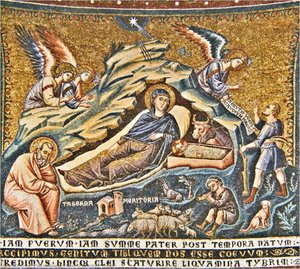
Narodil se kolem roku 1240 v Římě, avšak jeho život zůstává zahalen relativní neznámostí – historické záznamy sice uvádějí, že se podepisoval jako pictor romanus, což naznačuje jeho hluboké spojení s bazilikou San Paolo fuori le mura, kde svou oslnivou kariéru zahájil.

Key works · Top 100 works

87/ 96

Dietisalvi di Speme

b. Siena Wikipedia 8/32

Dietisalvi di Speme

The evolution of Dietisalvi's style is visible through his surviving works, moving toward a greater similarity with the work of Giunta Pisano and Cimabue, as well as the freer strokes of Guido da Siena. Some of his attributed works include: His later career is associated with a cross in the Museo delle pie disposizioni, which shows influence from Cimabue's Maestà.

Key works · Top 100 works

88/ 96

Margaritone d'Arezzo

Italian b. Arezzo Byzantine influence Wikipedia 8/32

Margaritone d'Arezzo

The very fact that Giorgio Vasari dedicated space to him in The Lives of the Artists, though often colored by inaccuracies regarding chronology, underscores Margarito’s importance within the local art historical consciousness. Madonna and Child Enthroned: Perhaps his most iconic work, showcasing the characteristic gold leaf background and stylized figures.

Key works · Top 100 works

90/ 96

Cui Bai

Chinese b. Fengyang County Northern Song Dynasty painting Wikipedia 8/32

Cui Bai

Cui Bai (崔白), a name synonymous with the delicate vitality of the Northern Song Dynasty, stands as a pivotal figure whose brushwork breathed new life into the classical traditions of China. Naturalistic Atmosphere: A skill for setting scenes that feel grounded in the physical reality of the Chinese landscape.

Key works · Top 100 works

91/ 96

Su Hanchen

Song dynasty b. Kaifeng Wikipedia 7/32

Su Hanchen

Su Hanchen lived during the Song dynasty, a period of significant change in China. Born in Kaifeng, he spent much of his life in Zhejiang. His talent was recognized early by the imperial court, where he served as a Painter-in-Attendance for Emperor Huizong.

Key works · Top 100 works

92/ 96

Xu Daoning

Chinese b. Xi'an Northern Song Dynasty Wikipedia 7/32

Xu Daoning

His early works, such as “ Snow-covered Mountains ” (雪山), demonstrate this clear influence; the composition is characterized by broad washes of ink, suggesting vast distances and an ethereal quality. This monumental mural, now housed in the National Palace Museum in Taipei, exemplifies his artistic maturity and technical skill.

Key works · Top 100 works

93/ 96

Zhao Boju

Chinese Blue-and-green landscape painting Wikipedia 6/32

Zhao Boju

Zhao Boju’s brushwork was defined by a meticulous precision that bridged the gap between different eras of Chinese tradition. His ability to render the physical world is seen in the depiction of mountains and pavilions, as seen in Immortal Mountains and Pavilions.

Key works · Top 100 works

94/ 96

Fujiwara no Takanobu

Japanese b. Kyoto nise-e (likeness picture) portraits Wikipedia 7/32

Fujiwara no Takanobu

He is the half-brother of Fujiwara no Sadaie, a man whose name carries the weight of Japan's greatest poetic traditions. His most significant achievement survives in the likeness of Minamoto no Yoritomo. The portrait captures the founder of the Kamakura government, a man who reshaped the political structure of Japan.

Key works · Top 100 works

Best-known works

Famous High Medieval paintings by artist

  1. Madonna in Maest (Ognissanti Madonna) od Giotto Di Bondone

    Madonna in Maest (Ognissanti Madonna)

    Giotto Di Bondone

    1310

  2. Maestá od Duccio Di Buoninsegna

    Maestá

    Duccio Di Buoninsegna

    1308 · Museo dell'Opera del Duomo, Siena

  3. The Madonna in Majesty (Maestà) od Cimabue

    The Madonna in Majesty (Maestà)

    Cimabue

    1285 · Galleria degli Uffizi, Florencie

  4. Eight Horses od Zhao Mengfu

    Eight Horses

    Zhao Mengfu

    Metropolitan Museum of Art, New York

  5. Thatched Hut Hand Scroll od Zhu Xi

    Thatched Hut Hand Scroll

    Zhu Xi

  6. Watching the Deer by a Pine Shaded Stream od Ma Yuan

    Watching the Deer by a Pine Shaded Stream

    Ma Yuan

    1203 · Clevelandské muzeum umění

  7. Early Spring od Guo Xi

    Early Spring

    Guo Xi

    1072 · Národní palácové muzeum v Taipei

  8. Five-colored parakeet on a blossoming apricot tree od Císař Huizong Ze Song

    Five-colored parakeet on a blossoming apricot tree

    Císař Huizong Ze Song

    1110 · Muzeum umění v Bostonu

Chronology

High Medieval chronology

  1. 1055
  2. 1072
  3. 1085
  4. 1110
  5. 1124
  6. 1180
  7. 1188
  8. 1201
  9. 1203
  10. 1206
  11. 1230
  12. 1235
  13. 1240
  14. 1250

Statistics

Counts by country, period and museum

Index

Full list of 96 famous High Medieval umělci

  1. 1Giotto Di BondoneGiotto Di BondoneItalský · 1267–1337
  2. 2Duccio Di BuoninsegnaDuccio Di BuoninsegnaItalská · 1255–1319
  3. 3CimabueCimabueItalijský · 1240–1302
  4. 4Zhao MengfuZhao MengfuČínská · 1254–1322
  5. 5Zhu XiZhu Xi1130–1200
  6. 6Ma YuanMa Yuančínská · 1160–1225
  7. 7Guo XiGuo XiČínská · 1020–1090
  8. 8Císař Huizong Ze SongCísař Huizong Ze SongČínská · 1082–1135
  9. 9MuqiMuqiČínská · 1210–1269
  10. 10Guido Da SienaGuido Da SienaFrancouzská · 1230–1290
  11. 11Bonaventura BerlinghieriBonaventura BerlinghieriItalská · 1210–1287
  12. 12Master MateoMaster MateoSpanish · 1161–1217
  13. 13Giovanni PisanoGiovanni PisanoItalská · 1248–1318
  14. 14Mi FuMi FuČínská · 1051–1107
  15. 15Lorenzo MaitaniLorenzo MaitaniItalian · 1255–1330
  16. 16Li GonglinLi Gonglin1049–1106
  17. 17Ma LinMa LinČínská · 1180–1256
  18. 18Yi Kyu-BoYi Kyu-BoKorean · 1168–1241
  19. 19GislebertusGislebertusFrench · 1120–1135
  20. 20Badīʿ Az-Zaman Abu L-ʿIzz Ibn IsmāʿĪl Ibn Ar-Razāz Al-JazarīBadīʿ Az-Zaman Abu L-ʿIzz Ibn IsmāʿĪl Ibn Ar-Razāz Al-JazarīMuslim · 1136–1206
  21. 21Giunta PisanoGiunta PisanoItalian · 1190–1260
  22. 22Xia GuiXia GuiSong dynasty · 1195–1224
  23. 23Nicola PisanoNicola Pisanoitalská · 1230–1284
  24. 24Li TangLi TangSong dynasty · 1050–1130
  25. 25Qian XuanQian XuanChinese · 1235–1305
  26. 26Matthew ParisMatthew ParisEnglish · 1200–1259
  27. 27Jingdezhen Ceramic KilnJingdezhen Ceramic KilnChinese · narozen 1004
  28. 28Herrad of LandsbergHerrad of Landsberg1130–1196
  29. 29Fujiwara No Teika, Fujiwara No SadaieFujiwara No Teika, Fujiwara No SadaieJapanese · 1162–1241
  30. 30Joannes KoulixJoannes KoulixByzantine · narozen 1101
  31. 31Břetislav IBřetislav ICzech · 1002–1055
  32. 32Villard De HonnecourtVillard De HonnecourtFrench · 1200–1266
  33. 33Fujiwara No SadanagaFujiwara No SadanagaJapanese · 1139–1202
  34. 34Zhang ZeduanZhang ZeduanChinese Empire · 1085–1145
  35. 35Sū HànchénSū HànchénChinese · 1094–1172
  36. 36Saigyō HōshiSaigyō HōshiJapanese · 1118–1190
  37. 37Gaddo GaddiGaddo GaddiItalian · 1240–1312
  38. 38Huang GongwangHuang GongwangYuan dynasty · 1269–1354
  39. 39KuniyukiKuniyukiJapanese · 1219–1298
  40. 40Meliore Of JacopoMeliore Of JacopoItalian · 1255–1285
  41. 41Guan DaoshengGuan DaoshengChinese · 1262–1319
  42. 42Philippe le BelPhilippe le BelFrench · 1268–1314
  43. 43Coppo di MarcovaldoCoppo di MarcovaldoItalian · 1225–1276
  44. 44Fujiwara No Tadaie(Teika)Fujiwara No Tadaie(Teika)Japanese · 1033–1091
  45. 45Kuo, RiverKuo, RiverChinese · 1031–1095
  46. 46Arnolfo Di CambioArnolfo Di CambioČínská · 1245–1310
  47. 47Muhammad Ibn AmmarMuhammad Ibn AmmarBritská · 1031–1086
  48. 48Zheng YuanZheng Yuan1056–1093
  49. 49Sakyō No Daibu AkisukeSakyō No Daibu AkisukeAmerican · 1090–1155
  50. 50Magnus Sigurdsson Or Sigurd HaraldssonMagnus Sigurdsson Or Sigurd HaraldssonNorwegian · 1115–1155
  51. 51Kamo No ShigeyasuKamo No ShigeyasuJapanese · 1119–1191
  52. 52Fujiwara no TameyoriFujiwara no TameyoriJapanese · 1128–1201
  53. 53HemachandraHemachandra1088–1172
  54. 54Bolesław Iv The CurlyBolesław Iv The CurlyPolish · 1138–1173
  55. 55Fujiwara No KoreyukiFujiwara No KoreyukiJapanese · 1139–1175
  56. 56AdelhogAdelhogGerman · 1170–1190
  57. 57Urtu SaqaltuUrtu SaqaltuKhitan · 1190–1244
  58. 58Fernando Martins De BulhõesFernando Martins De BulhõesPortuguese · 1195–1231
  59. 59Lanxi DaolongLanxi DaolongChinese · 1213–1278
  60. 60Master Of BigalloMaster Of BigalloItalian · narozen 1218
  61. 61Master Of CabestanyMaster Of CabestanyItalian · 1130–1180
  62. 62Hōgen En’IHōgen En’IJapanese · 1240–1300
  63. 63Issan IchineiIssan IchineiChinese · 1247–1317
  64. 64Xianyu ShuXianyu ShuChinese · 1256–1301
  65. 65Benedetto AntelamiBenedetto Antelami1150–1230
  66. 66Saionji KinhiraSaionji KinhiraJapanese · 1264–1315
  67. 67Qingmao GulinQingmao GulinChinese · 1262–1329
  68. 68Hildegard von BingenHildegard von BingenGerman · 1098–1179
  69. 69FachangFachangChinese · 1210–1269
  70. 70Filippo RusutiFilippo RusutiItalian · 1255–1325
  71. 71Sódžó TobaSódžó TobaFrancouzská · 1053–1140
  72. 72Memmo di FilippuccioMemmo di FilippuccioItalian · 1263–1326
  73. 73Su DongpoSu DongpoChinese · 1037–1101
  74. 74Yi YuanjiYi YuanjiChinese · 1000–1064
  75. 75Nicolas Of VerdunNicolas Of VerdunFlemish · 1130–1205
  76. 76Wuxue ZuyuanWuxue ZuyuanChinese · 1226–1286
  77. 77Buonamico BuffalmaccoBuonamico Buffalmacco1262–1340
  78. 78Lombard MasterLombard MasterItalian · 1096–1160
  79. 79Liu SongnianLiu SongnianChinese · 1174–1224
  80. 80Master of TaüllMaster of Taüll1100–1199
  81. 81Wen TongWen TongSong dynasty · 1018–1079
  82. 82Wang XiWang XiChinese · 1096–1119
  83. 83Fujiwara NobuzaneFujiwara NobuzaneJapanese · 1176–1266
  84. 84Pietro CavalliniPietro CavalliniItalská · 1240–1330
  85. 85Naumburg MasterNaumburg MasterFrench · 1200–1300
  86. 86Li JieLi JieChinese · 1035–1110
  87. 87Dietisalvi di SpemeDietisalvi di Speme1201–1291
  88. 88Margaritone d'ArezzoMargaritone d'ArezzoItalian · 1240–1290
  89. 89Gao KegongGao KegongChinese · 1248–1310
  90. 90Cui BaiCui BaiChinese · 1000–1074
  91. 91Su HanchenSu HanchenSong dynasty · 1101–1161
  92. 92Xu DaoningXu DaoningChinese · 970–1052
  93. 93Zhao BojuZhao BojuChinese · 1120–1182
  94. 94Fujiwara no TakanobuFujiwara no TakanobuJapanese · 1142–1205
  95. 95Ren RenfaRen Renfa1254–1327
  96. 96KōkeiKōkei

FAQ

High Medieval: quick answers

  • Who was the greatest High Medieval umělec?

    Giotto Di Bondone (#1) comes first, ahead of Duccio Di Buoninsegna (#2) and Cimabue (#3).

  • Which five High Medieval umělci should everyone know?

  • In which period did High Medieval art flourish?

    Most umělci in this list were born in the 13th století (39 of 96), between 970 and 1269 overall.

  • Which High Medieval umělci from Italy are the most famous?

    The highest-ranked umělci born in Italy are Lorenzo Maitani (#15), Giunta Pisano (#21), Gaddo Gaddi (#37), Coppo di Marcovaldo (#43) a Master Of Bigallo (#60).

  • Which High Medieval masters trained other famous umělci?

  • Who are the most famous living High Medieval umělci?

    The highest-ranked living umělci in this list are Jingdezhen Ceramic Kiln (#27), Joannes Koulix (#30) a Master Of Bigallo (#60).

  • Which country produced the most High Medieval umělci?

    Japan: 13 of the 96 umělci in this list were born there, then Italy (12) a People's Republic of China (12).

  • Which city produced the most High Medieval umělci?

    Kyoto: 12 of the umělci in this list were born there.

  • Who was the first High Medieval umělec?

    The earliest-born umělec in this list is Xu Daoning (#92), born in 970.

  • Which techniques define High Medieval art?

    “This dedication led him to develop a distinctive technique characterized by fine, controlled brushwork, subtle ink washes, and a remarkable attention to detail.” — from our biography of Li Gonglin (#16).

  • Which women High Medieval umělci are the most famous?

    3 women are in this ranking: Herrad of Landsberg (#28), Guan Daosheng (#41) a Hildegard von Bingen (#68).

  • Where can I buy High Medieval art?

    Our catalogue holds 1,429 works by these umělci. Each one can be ordered as a hand-painted oil reproduction or a print.

Guides

AllPaintingsStore.com guides

Other lists

Famous artists by movement

By period

Famous artists by period

Related lists

Related rankings