

- Hjem

- Tryk på lærred
- Giuseppe Bonito
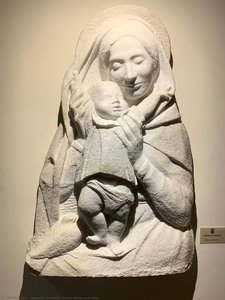
- Immaculate Conception

 Preview
 Del
Del Del
Del
 Detaljer

 Download
 Lignende værker
 Røntgenundersøgelse
 Diasshow
Immaculate Conception
 Baroque
 111.0 x 78.0 cm
 Se mere
Giclée / Kunsttryk
Giclée- eller lærredstryk i museumskvalitet med hurtig produktion og fleksible muligheder for finish. ( Switch to hand made Painting Switch to Image)




































Vælg mellem vores forudindstillede størrelser, der matcher kunstværkets originale proportioner.

Du kan indtaste dine egne mål for at passe til en specifik ramme eller et bestemt område. Hvis den valgte størrelse ikke stemmer overens med det originale billedes proportioner, vil vi enten beskære kunstværket eller udvide billedet med en spejlet eller ensfarvet kant. En digital mockup vil blive sendt til din godkendelse, før produktionen påbegyndes.
Bemærk venligst, at forhåndsvisningen på skærmen ikke afspejler den faktiske beskæring eller udvidelse. Kun mockuppen vil nøjagtigt vise den endelige komposition.
Selvom specialmål er tilgængelige, anbefaler vi at vælge et mål fra den foruddefinerede liste for at bevare de originale proportioner.
Verdensomspændende levering () på 2 uger i stedet for de sædvanlige 4/5 uger. (28 juli)

Gratis ekspresforsendelse til hele verden

Lærred af linned i høj kvalitet

Fuld transportforsikring

Garanti for refusion af told og importafgifter

Garanti for præcis farvegengivelse

60 dages returret (kun ved fabrikationsfejl)

100% Tilfredshedsgaranti

Mængderabat tilgængelig
 Glasmulighed er kun tilgængelig i størrelser under 110 cm

Immaculate Conception
Giclée / Kunsttryk
Størrelse på reproduktion
-


Samlet pris
$ 65
Lignende kunstværker




Kunstnerens biografi
Giuseppe Bonito: A Neapolitan Rococo Visionary
Giuseppe Bonito (1707-1789) stands as a prominent figure in the vibrant artistic landscape of Naples during the Rococo period, leaving an indelible mark on Italian painting and particularly genre depictions. While his name might not resonate with contemporary audiences as loudly as some Baroque titans, Bonito’s meticulous observation of urban life and theatrical flair—expressed through captivating canvases—offer a glimpse into the cultural milieu of 18th-century Campania.Early Life and Artistic Formation
Born in Castellammare di Stabia, Bonito's artistic journey began under the tutelage of Francesco Solimena, arguably Naples’ most celebrated painter of his time. Solimena’s studio served as a crucible for talent, fostering an environment where young artists honed their skills alongside established masters. Notably, Bonito shared this formative experience with Gaspare Traversi, another influential artist who would later become embroiled in attribution disputes regarding Bonito's oeuvre. This collaborative relationship underscores the prevailing artistic currents of the era and highlights Bonito’s immersion within a dynamic creative community.Court Patronage and Artistic Output
Bonito swiftly ascended to prominence thanks to royal patronage—specifically from the Bourbon monarchs who ruled Naples and Spain. Between 1736 and 1742, he served as court painter for Maria Amalia of Saxony, wife of Charles VII, capturing portraits that exemplify the elegance and sophistication of the Habsburg-Bourbon court. His artistic output extended beyond royal commissions; Bonito produced striking depictions of theatrical performances featuring commedia dell’arte figures—a tradition deeply rooted in Neapolitan culture—demonstrating his keen understanding of popular entertainment and visual storytelling. Furthermore, he undertook ambitious projects like the altarpiece commissioned for Caserta Royal Palace, showcasing his mastery of Baroque techniques and reflecting the grandeur of Bourbon ambition.Style and Technique
Bonito’s artistic style is characterized by a delicate balance between observation and embellishment. He meticulously rendered urban scenes—often bustling marketplaces or lively squares—infused with details that captured the spirit of Naples. However, Bonito wasn't merely documenting reality; he skillfully employed Rococo conventions – pastel hues, asymmetrical compositions, and ornate ornamentation – to heighten emotional impact and create an atmosphere of refined pleasure. His brushwork is precise yet expressive, conveying movement and texture with remarkable subtlety. The influence of Solimena’s studio is palpable in Bonito's approach, emphasizing naturalism tempered by artistic license.Legacy and Attribution Disputes
Bonito’s legacy resides primarily in his prolific output of genre paintings—particularly those depicting scenes from commedia dell’arte—which offer invaluable insights into Neapolitan society and theatrical traditions. However, Bonito’s work has been subject to considerable debate regarding attribution, with many canvases initially attributed to Gaspare Traversi. These disputes fueled scholarly discussions about artistic authorship and prompted meticulous stylistic analysis to determine the true origin of these captivating artworks. Despite ongoing debates, Giuseppe Bonito remains a significant contributor to Neapolitan Rococo art, securing his place as an artist who skillfully blended observation and embellishment to create enduring images of his time.
Giuseppe Bonito
1707 - 1789
Kort om kunstneren
- Artistic Movement Or Style: Rococo
- Artists Or Movements Influenced By This Artist: ["Commedia dell'arte"]
- Artists Who Influenced This Artist: ['Francesco Solimena']
- Date Of Birth: 1707
- Date Of Death: 1789
- Full Name: Giuseppe Bonito
- Nationality: Italian
- Notable Artworks:
- The Music Lesson
- The Poet
- Immaculate Conception
- Place Of Birth: Castellammare di Stabia, Italy
Relaterede artikler
The Rococo Style: Aristocratic Leisure & the Pursuit of Delight in 18th-Century Art
Explore the opulent world of Rococo art! Discover Watteau, Boucher & Nattier's masterpieces. Expert insights for collectors seeking museum-quality reproductions and custom portraits at AllPaintingsStore.

Reflections of Power: Aristocratic Life in Western Art & the Rococo Era
Explore the captivating world of aristocratic life through Western art history. Discover Rococo masterpieces & portraits of European nobility. Expert insights for collectors and enthusiasts.
The Rococo Aesthetic: Opulence, Rebellion & the Pursuit of Pleasure in 18th-Century Art
Explore the opulent world of Rococo art! Discover its origins, key artists like Watteau & Boucher, and lasting influence on design. Expert insights for collectors & enthusiasts.

Harmonizing Hues & Histories: A Comprehensive Guide to Matching Art Reproductions with Interior Design Styles
Discover how to perfectly match art reproductions with your interior design style! Expert guidance, museum-quality prints & custom portraits at AllPaintingsStore. Elevate your home today.

Pietro da Cortona: Baroque Grandeur & the Synthesis of Roman Painting
Explore the life & masterpieces of Pietro da Cortona, a defining figure of the Italian Baroque. Discover his stunning frescoes at Palazzo Barberini and lasting influence on Roman art history. Learn more with AllPaintingsStore.



