


 Bestil tryk Køb højopløseligt billede
 Del
Del
 Del
Del
 Detaljer
 Tilføj til favoritter

 Download
 Lignende værker
 Røntgenundersøgelse
 Diasshow
Oboe


 Se mere
Håndlavet oliereproduktion
Håndmalet olie på lærred i din valgte størrelse og ramme, udført efter bestilling af vores kunstnere.




































Vælg mellem vores forudindstillede størrelser, der matcher kunstværkets originale proportioner.

Du kan indtaste dine egne mål for at passe til en bestemt ramme eller plads. Hvis den valgte størrelse ikke stemmer overens med det originale billedes proportioner, vil vi enten beskære kunstværket eller udvide maleriet med yderligere håndmalede elementer. En digital skitse sendes til din godkendelse, før produktionen påbegyndes.
Bemærk venligst, at forhåndsvisningen på skærmen ikke afspejler den faktiske beskæring eller udvidelse. Kun skitsen vil nøjagtigt vise den endelige komposition.
Selvom specialmål er mulige, anbefaler vi at vælge en dimension fra den foruddefinerede liste for at bevare de originale proportioner.
Efter bestilling vil AllPaintingsStore.com team sende en e-mail til kunden for at få instruktioner og levere et udkast til en skitse.
Levering i hele verden () på 3/4 uger i stedet for de standard 5 uger. (21 juli). Ingen kompromiser med kvaliteten.

Gratis ekspresforsendelse til hele verden

Lærred af linned i høj kvalitet

Fuld transportforsikring

Garanti for refusion af told og importafgifter

Garanti for præcis farvegengivelse

60 dages returret (kun ved fabrikationsfejl)

100% Tilfredshedsgaranti

Mængderabat tilgængelig
 Glasmulighed er kun tilgængelig i størrelser under 110 cm

Oboe
Reproduktionsmetode
Størrelse på reproduktion
-


Samlet pris
-
Beskrivelse af kunstværket
Lignende kunstværker


Kunstnerens biografi
The Legacy of Nuremberg’s Woodwind Master: Jacob Denner
Jacob Denner, born in the vibrant city of Nuremberg in 1681 and passing away in 1735, stands as a pivotal figure in the history of woodwind instrument making. Though often overshadowed by his father, Johann Christoph Denner—credited with significant advancements to the chalumeau and the early clarinet—Jacob’s own contributions were profound, shaping the design and performance capabilities of instruments for generations to come. He wasn't merely a follower in his father’s footsteps; he was an innovator who refined existing forms and established new standards of craftsmanship. Denner emerged from a family deeply rooted in musical instrument construction, with lineage tracing back to horn-tuners in Leipzig. This familial expertise provided a fertile ground for his burgeoning talent, allowing him to quickly absorb the intricacies of woodwind fabrication. By 1707, following his father’s death, Jacob took up the mantle of the family workshop, continuing and expanding upon their legacy.A Family Tradition: Building Upon Innovation
The Denner name became synonymous with quality and precision in the world of Baroque woodwinds. Johann Christoph Denner's work had already begun to revolutionize instrument design, particularly concerning the clarinet—a relatively new instrument at the time. While debate continues regarding the extent of J.C. Denner’s direct involvement in the clarinet’s invention, his improvements to the chalumeau were undeniable. Jacob inherited not only a thriving workshop but also a reputation for pushing the boundaries of what was musically possible. He skillfully navigated this inheritance, building upon his father's foundations while simultaneously forging his own distinct path. Records indicate that he wasn’t solely focused on replicating existing designs; rather, he sought to enhance them, focusing particularly on recorders and oboes. He is documented as having worked for the prestigious Medici court in Florence in 1708, a testament to the high regard his instruments held even during his lifetime. This appointment suggests an ability not only to craft exceptional instruments but also to present himself within sophisticated artistic circles.The Recorder’s Renaissance: Denner's Defining Contribution
While proficient in oboe making, Jacob Denner is most celebrated for his recorders. His recorders weren’t simply functional tools; they were works of art—meticulously crafted from pearwood and often adorned with intricate detailing. He didn’t just build recorders; he perfected them. The instruments produced by Denner became the benchmark against which all others were measured, serving as models for modern recorder construction even today. His designs prioritized clarity of tone, ease of playability, and a responsiveness that allowed musicians to express themselves with greater nuance. This dedication to quality extended beyond mere aesthetics; it was about unlocking the full potential of the instrument itself. The recorders he created weren’t just instruments—they were vehicles for musical expression, capable of producing a wide range of tones and dynamics.A Performer and Community Member
Jacob Denner wasn't confined to the workshop; he was an active participant in Nuremberg’s vibrant musical life. He held membership within the *Stadtpfeiferei*, or town pipers, a prestigious ensemble responsible for providing music for civic events and ceremonies. This role underscores his versatility as a musician—he wasn’t merely a builder of instruments but also a skilled performer capable of showcasing their capabilities. Being part of the *Stadtpfeiferei* demanded not only technical proficiency but also an understanding of musical styles and traditions, further enriching his knowledge and informing his instrument-making process. This connection to performance likely fueled his desire for innovation—he understood firsthand what musicians needed from their instruments and strived to meet those demands through his craftsmanship.Historical Significance: A Lasting Influence
The impact of Jacob Denner’s work extends far beyond the Baroque era. His recorders continue to be revered by musicians and collectors alike, representing a pinnacle of instrument-making artistry. His dedication to quality and precision set a new standard for woodwind construction, influencing generations of instrument makers who followed in his footsteps. The legacy of Denner is not simply about the instruments he created but also about the principles he embodied—a commitment to craftsmanship, innovation, and a deep understanding of musical expression. His work serves as a reminder that true artistry lies not just in technical skill but also in a passion for unlocking the full potential of one’s chosen medium. The surviving instruments attributed to Denner are prized possessions in museums and private collections worldwide, offering a tangible connection to a master craftsman who helped shape the soundscape of the Baroque period.
jacob denner
1681 - 1735 , Germany
Kort om kunstneren
- Artistic Movement Or Style: Baroque
- Artists Who Influenced This Artist: ['Johann Christoph Denner']
- Date Of Birth: 1681
- Date Of Death: 1735
- Full Name: Jacob Denner
- Nationality: German
- Notable Artworks:
- Treble Recorder
- Oboe
- Place Of Birth: Nuremberg, Germany
Relaterede artikler

Reflections of an Age: Social Commentary & Artistic Representation in 18th-Century Society
Explore the social commentary & artistic representation of 18th-century society. Discover Rococo masterpieces, portraiture's power, and shifting historical perspectives. Expert insights for art lovers.
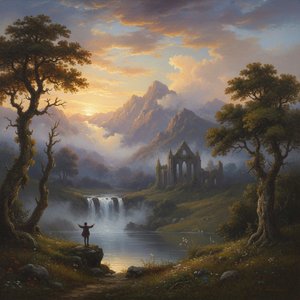
Evoking Emotion & Transcendence: Romantic Landscape Painting (18th-19th Century)
Explore the emotional depth of Romantic landscape painting (18th-19th century). Discover key artists like Friedrich & Cole, and the concepts of the sublime. Expert insights for art lovers & collectors.
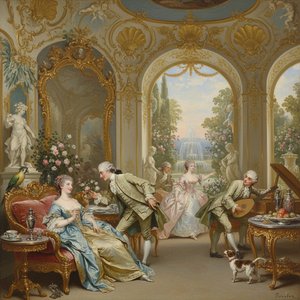
The Rococo Aesthetic: Opulence, Rebellion & the Pursuit of Pleasure in 18th-Century Art
Explore the opulent world of Rococo art! Discover its origins, key artists like Watteau & Boucher, and lasting influence on design. Expert insights for collectors & enthusiasts.

The Dramatic Flourish: Exploring Baroque Painting's Emotional Intensity & Artistic Innovations
Explore the dramatic world of Baroque painting! Discover its history, defining characteristics, iconic artists like Caravaggio & Rubens, and lasting influence on Western art. Expert insights for collectors.
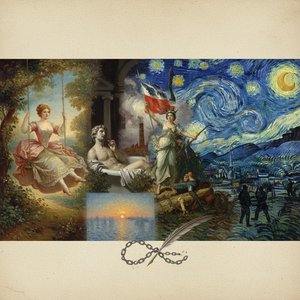
The Enduring Legacy of 18th & 19th Century Art: Movements, Masters & Societal Reflections
Explore the rich history of 18th & 19th-century art! Discover Romanticism, Realism, and iconic masters like Delacroix & Courbet. Expert insights & high-quality reproductions at AllPaintingsStore.



