Pengene tilbage-garanti · 100 dage Gratis levering i hele verden
646.446kunstværker 53.409kunstnere 5.406museer 32sprog
Portræt af Daniel Gran

The Top 14 Daniel Gran Paintings, Ranked by Fame

Opdateret oktober 2026 · rangeret efter vores popularitetsscore (søgninger, besøg og ordrer for hvert værk) · 14 værker af Daniel Gran i vores katalog

Hurtigt svar

Allegory of the Dawn (1723) er Daniel Grans mest kendte maleri. Mary with Child and Saints, Enthroned on Clouds (1730) ligger som nummer to, Diana's Admission to Olympus (1732) som nummer tre. Vores katalog indeholder 14 værker af Daniel Gran; her er de 14 mest berømte, rangeret med årstal og museum for hvert værk, så du kan vælge det rette at bestille.

1694 – 1757, Vienna Flest værker: Nationalmuseet i Warszawa

Daniel Gran: de 10 bedst rangerede malerier

Daniel Gran, rangeret fra 11 til 14

Museer der udstiller Daniel Grans originalværker

De 3 museer, der rummer flest af malerierne på denne side.

Museum By Værker af Daniel Gran Malerier fra denne liste
Nationalmuseet i Warszawa, WarszawaNationalmuseet i Warszawa Warszawa 2 Greeting of Venus at Mount Olympus, Bacchus and Ceres
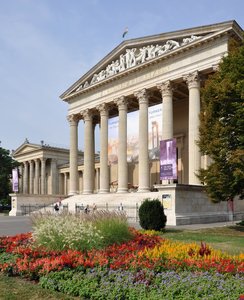
Szépművészeti Múzeum, BudapestSzépművészeti Múzeum Budapest 2 St Elizabeth Distributing Alms, The Day Driving away the Night
Nationalmuseet i Kraków, KrakówNationalmuseet i Kraków Kraków 1 Apollo with the Muses – Project for a Plafond

Top Daniel Gran maleri efter årti

Værker per årti

Vælg et årti for at se dets mest populære maleri.

Hvad du skal vide om Daniel Gran malerier

Hvilket berømt maleri af Daniel Gran topper ranglisten?Vis svar

Allegory of the Dawn (1723) rangerer som nummer et, efterfulgt af Mary with Child and Saints, Enthroned on Clouds (1730) og Diana's Admission to Olympus (1732).

Hvor gammel var Daniel Gran i året for Allegory of the Dawn?Vis svar

Daniel Gran var 29 år gammel: Allegory of the Dawn er dateret 1723, og Daniel Gran blev født i 1694.

Hvilke Daniel Gran malerier er med på top 10?Vis svar

Allegory of the Dawn, Mary with Child and Saints, Enthroned on Clouds, Diana's Admission to Olympus, Apollo with the Muses – Project for a Plafond, Allegory of the Happy Government of Mähren, Allegory of the Morning, Instruction of Mary by Joachim and Anna, The Holy Family, Madonna and Child og unleserlich. Årstal og museum for hver enkelt findes i ranglisten ovenfor.

Hvor mange værker af Daniel Gran er der i din katalogliste?Vis svar

14 værker af Daniel Gran er i vores katalog, dateret fra 1723 til 1747.

Hvor kan de originale værker af Daniel Grans berømte malerier ses?Vis svar

Primært i Nationalmuseet i Warszawa (Warszawa), Szépművészeti Múzeum (Budapest) og Nationalmuseet i Kraków (Kraków). Se museomtabelen ovenfor for den fulde liste.

I hvilke år malede Daniel Gran de bedst rangerede værker?Vis svar

I 1730s: 4 af de 14 malerier, der er rangeret her, stammer fra den tid, herunder Mary with Child and Saints, Enthroned on Clouds.

Hvilke berømte Daniel Gran malerier er de tidligste og de seneste?Vis svar

Ældste på denne side: Allegory of the Dawn (1723). Nyeste: Allegory of the Morning (1747).

Hvilke malerier af Daniel Gran er i Nationalmuseet i Warszawas samling?Vis svar

Nationalmuseet i Warszawa, Warszawa har 2 af de malerier, der er rangeret her, herunder Greeting of Venus at Mount Olympus og Bacchus and Ceres.

Sælger I reproduktioner af Daniel Grans malerier?Vis svar

Ja. Hvert maleri på denne side kan bestilles som en håndmalet oliereproduktion eller som et print. Åbn maleriet, vælg størrelsen og afgiv din bestilling.

Daniel Gran: liv og karriere

Daniel Gran: Life and Legacy

Daniel Gran (1694-1757) was a prominent Austrian Baroque painter who played a crucial role in the transition towards Classicism. His career spanned a period of significant artistic change, and he is remembered for his masterful frescoes, religious scenes, and illusionistic style.

Early Life and Training

Born in Vienna, Italy in 1694, Daniel Gran came from a family that valued its noble lineage. Successfully asserting his claim to this title was important during his time, as improper use of such distinctions could have severe social consequences. Details regarding his early artistic training remain somewhat scarce, but it is known he developed considerable skill and ambition.

Artistic Development & Influences

Gran’s initial work firmly rooted in the Baroque tradition, characterized by dramatic compositions, rich colors, and a sense of movement. However, towards the end of his career, his paintings began to exhibit a shift away from purely Baroque aesthetics – particularly in terms of figural dimensions and illusionism. This evolution suggests an increasing interest in the emerging principles of Classicism, emphasizing clarity, balance, and restraint.

While specific influences are not extensively documented, it’s reasonable to assume Gran was impacted by contemporary Italian and Austrian Baroque masters. His later stylistic changes suggest a growing awareness of early Classical art and its emphasis on form and proportion.

Major Achievements & Notable Works

  • Frescoes: Gran is particularly celebrated for his large-scale fresco cycles, adorning the ceilings and walls of numerous churches and palaces in Austria.
  • St. Elizabeth Distributing Alms (1736): A compelling depiction of a charitable act, showcasing Gran’s skill in portraying human emotion and narrative detail.
  • Christ and the Roman Captain (1736): Another significant religious work demonstrating his mastery of composition and dramatic lighting.
  • Paradise (Sketch for a ceiling fresco in Sonntagberg Basilica, Austria) (1736): A preparatory sketch revealing Gran’s meticulous planning process for complex fresco projects.
  • Glory of the House of Austria (Ceiling fresco in Marble Hall of Klosterneuburg Monastery) (1749): Considered one of his most ambitious and impressive works, showcasing his ability to create grand illusionistic spaces.
  • Allegory of Four Seasons (1757): A late work reflecting a more refined and classical approach.

Historical Significance

Daniel Gran’s significance lies in his role as a bridge between the Baroque and Classical periods. He wasn't merely an imitator of earlier styles but actively contributed to the evolving artistic landscape of 18th-century Austria. His work demonstrates a conscious effort to move beyond the exuberance of the High Baroque towards a more restrained and balanced aesthetic.

Gran’s influence can be seen in the subsequent development of Austrian painting, paving the way for later Classicist artists. In 1894, Vienna honored his legacy by naming the Grangasse street in Rudolfsheim-Fünfhaus (the 15th district) after him. His self-portrait remains a treasured piece within the monastery of Herzogenburg.

Gran’s frescoes continue to captivate viewers with their beauty, technical skill, and historical importance, solidifying his place as a notable figure in Austrian art history.